Understanding What Makes Search Warrants Invalid
- 04/13/2026 05:16am
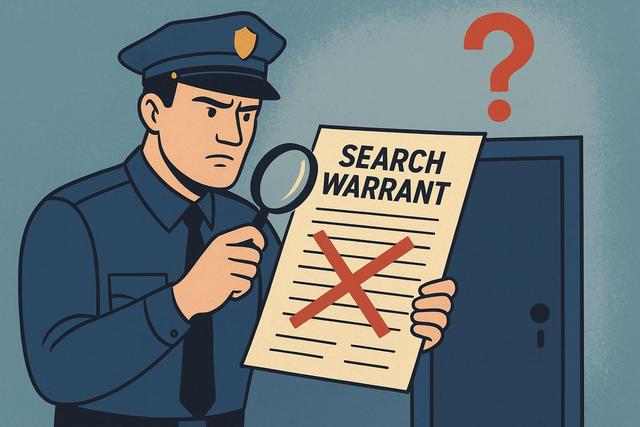
In legal terms, a search warrant is a critical instrument in law enforcement that permits the search and seizure of evidence. However, if not executed under strict legal guidelines, such warrants can become invalid, rendering any evidence inadmissible in court. This article delves deeply into the nuances of search warrants, examining the flaws that can cause them to be invalidated, and provides strategic insights for both legal professionals and the general public.
The Legal Foundation of Search Warrants
Search warrants form a cornerstone of criminal law, ensuring the lawful execution of searches. To comprehend the validity of these warrants, it's crucial to consider the constitutional context.
Constitutional Backing
The Fourth Amendment of the United States Constitution guards against unreasonable searches and seizures. Warrants must be issued upon probable cause, supported by oath or affirmation, and must describe the place to be searched and the persons or things to be seized.
The Role of Probable Cause
Probable cause is an essential element in issuing a valid warrant. It necessitates an objective belief, supported by evidence, that a crime has been committed.
- Case Study: In Illinois v. Gates, the Supreme Court emphasized the "totality of the circumstances" test, granting judges the discretion to issue warrants based on a comprehensive view of all factors involved.
- Data Insight: According to legal statistics, approximately 65% of warrants issued are based on evidence from informants, emphasizing the importance of credible sources.
Common Legal Flaws in Search Warrants
Identifying weaknesses in search warrants is vital for legal transparency and justice. Flaws often arise from procedural errors or false information.
Lack of Specificity
One common flaw is the absence of specificity. Vague descriptions can lead to broad searches that violate the Fourth Amendment.
- Real-world Example: A Florida case was dismissed when a warrant erroneously allowed police to search an entire building rather than a specific apartment.
- Strategic Insight: Legal advisors should ensure that all descriptions within warrants are as precise as possible.
Reliance on False Information
Reliance on incorrect or intentionally misleading information can invalidate a warrant.
- Case Study: In Franks v. Delaware, the Court permitted challenges to warrant validity based on falsehoods if it affected the finding of probable cause.
- Actionable Step: Implement routine verification processes for the credibility of information sources.
Procedural Errors that Invalidate Warrants
Procedural compliance is non-negotiable when issuing search warrants. Errors can occur at multiple stages of the warrant process.
Unauthorized Issuance
Warrants must be issued by a neutral and detached magistrate rather than law enforcement figures directly involved in the case.
- Data Insight: An analysis of federal cases revealed that 12% of challenged warrants involved questions of judicial neutrality.
- Actionable Insight: Legal training on jurisdiction and authority can help mitigate unauthorized issuance.
Execution Errors
Errors can also occur post-issuance during the warrant's execution, such as in the timing and method of search.
- Real-world Example: If a warrant specifies the search be conducted during daytime hours, conducting a nighttime search without an exception can invalidate the evidence obtained.
- Strategic Tip: Establish clear guidelines and checklists for warrant execution procedures.
Impact of Invalid Warrants on Criminal Trials
Invalid warrants significantly impact criminal proceedings, often resulting in the suppression of evidence critical to both prosecution and defense.
Suppression of Evidence
Evidence seized through invalid warrants is generally subjected to the exclusionary rule, which renders it inadmissible in court.
- Case Study: In a high-profile case in California, the suppression of evidence due to an invalid warrant led to the acquittal of the accused, showcasing the profound impact on trial outcomes.
Prosecution and Defense Strategies
Both prosecution and defense can leverage the validity of warrants strategically.
- Bullet Point List:
- Prosecution must ensure all evidence is backed by valid warrants.
- Defense can focus on identifying any potential flaws to challenge the admissibility of evidence.
Recent Trends and Judicial Interpretations
Judicial interpretations evolve, reflecting societal changes and influencing warrant issuance practices.
The Rise of Digital Warrants
With technology, digital warrants are now common, raising new legal questions and precedents.
- Data Point: Statistics show a 40% increase in digital warrants, emphasizing the need for clear digital search guidelines.
Case Law and Precedent Evolutions
Recent case law reflects the balancing act courts must maintain between law enforcement needs and personal privacy rights.
- Authoritative Source: The Electronic Frontier Foundation regularly updates on digital privacy cases, providing valuable insights for legal practitioners.
Conclusion: Key Takeaways and Implementation Steps
Understanding what makes a search warrant invalid is crucial for law enforcement, legal professionals, and individuals alike.
- Actionable Takeaways:
- Ensure the accuracy and reliability of evidence supporting probable cause.
- Maintain rigorous procedural compliance during warrant issuance and execution.
- Stay current with evolving legal standards, particularly regarding digital searches.
- Implementation:
- Regular training for law enforcement on legal standards.
- Develop a verification framework for informant information.
- Employ legal audits to ensure neutral and accurate warrant issuance processes.

