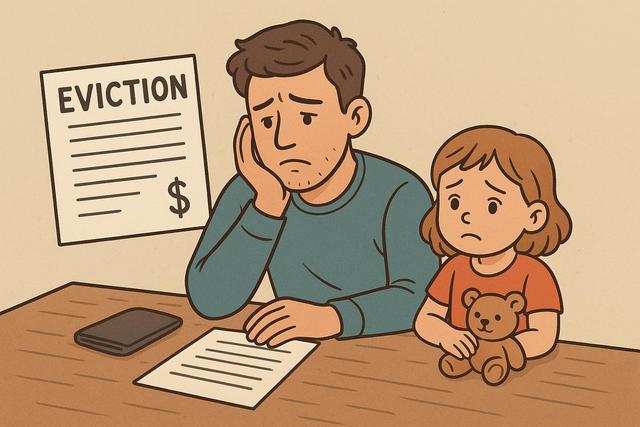
Navigating the complexities of child support can be challenging. This article explores what happens when child support is not paid, covering enforcement actions, legal remedies, and how unpaid child support affects families.
Introduction to Child Support Obligations
Child support is a legally mandated payment from a non-custodial parent to support their child's living expenses. These payments generally cover essential needs such as food, housing, and education. Unfortunately, many parents fail to meet these obligations. In this article, we examine what happens when child support is not paid, the legal and financial implications of such actions, and the steps that can be taken to enforce payment.
The Legal Framework of Child Support
Child support laws vary from one jurisdiction to another, but countries around the world recognize the child's right to receive financial support from both parents (NCSL). In the United States, federal law requires each state to set up a child support enforcement program. The program's aim is to ensure that children receive adequate financial support, regardless of the parent’s location.
Determining Child Support Amounts
The amount of child support a parent must pay is typically determined by a court using guideline formulas. These guidelines consider factors like the income of both parents, custody arrangements, and specific needs of the child. Once established, these payments are legally binding obligations.
Consequences of Unpaid Child Support
Failure to pay child support can result in serious legal and financial consequences for the non-paying parent. Below are some common enforcement actions and consequences:
Wage Garnishment
A court may order an employer to withhold a portion of a non-paying parent’s wages to cover unpaid support. This is a direct way to ensure that children continue to receive the resources they need (Department of Labor).
Interception of Tax Refunds
State or federal agencies can intercept tax refunds to satisfy unpaid child support. This strategy often helps recover significant amounts owed.
Property Liens and Asset Seizure
Asset seizure and property liens are other potent enforcement tools. These measures allow the government to claim assets, such as real estate or vehicles, to clear outstanding debts.
License Suspension
Non-payment of child support may lead to the suspension of driver's licenses, professional licenses, and even recreational licenses. This consequence serves as a strong deterrent for those considering non-compliance (Office of Child Support Enforcement).
Legal Remedies and Enforcement Options
When a parent misses child support payments, several legal remedies are available to enforce compliance:
Contempt of Court
If a parent deliberately ignores child support orders, they may be held in contempt of court. This legal process can result in fines, additional penalties, or even imprisonment.
Judgement for Support Arrears
The court can issue a judgment for unpaid child support arrears, giving the custodial parent the ability to collect overdue amounts through various means, such as bank account levies.
Modification of Support Orders
In some cases, a review or modification of the support order may be necessary if the non-custodial parent faces a significant change in financial circumstances. This can be requested through the family court system.
Impact on Families and Society
Unpaid child support not only affects the child and custodial parent but also impacts society at large. Children deprived of financial support may experience lower quality of life, affecting their education and overall well-being. Additionally, unpaid child support places extra burden on governmental assistance programs.
Case Studies and Data Insights
A report from the U.S. Census Bureau shows that only about 45% of custodial parents receive full child support. Case studies indicate that effective enforcement mechanisms and parental accountability result in better compliance rates and improved child outcomes.
Conclusion and Actionable Takeaways
Unpaid child support is a critical issue with far-reaching consequences. Parenting responsibilities don't ebb with marital statuses, and children deserve consistent support from both parents. It's imperative for those struggling with payments to communicate proactively and seek legal adjustments if warranted. Enforcement measures, if enacted effectively, can ensure compliance while upholding the child's best interests. As such, it is vital for affected parties to engage with legal professionals, explore enforcement assistance, and uphold child support commitments diligently.

