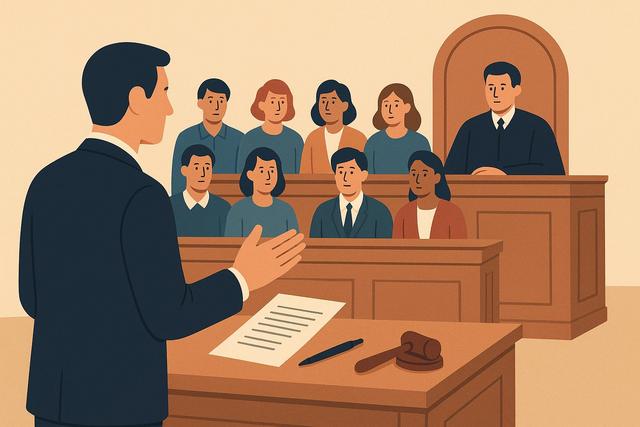
The concept of a grand jury might seem obscure to those unfamiliar with its operation in the legal system. This article delves into the details of how grand juries function, their critical role in the judicial process, and when they are typically convened. By the end, you'll gain a strategic understanding of their importance and the implications for those involved in potential criminal charges.
What is a Grand Jury?
Clear Explanation
A grand jury is a legal body empowered to conduct official proceedings to investigate potential criminal conduct and determine whether criminal charges should be brought. Unlike a trial jury that decides on a verdict, a grand jury decides whether enough evidence exists to indict a suspect.
Real-World Examples
Consider the case of the grand jury in Ferguson, Missouri, which was heavily publicized in 2014. The grand jury was convened to decide whether to indict police officer Darren Wilson for the shooting of Michael Brown. The process and its outcome sparked significant public debate on the efficacy of grand juries.
Data Points
- In the United States, the Fifth Amendment requires a grand jury indictment for federal felonies, ensuring that a group of citizens verify the decision to prosecute.
Strategic Insights
For defendants, understanding a grand jury's potential decisions is crucial, as it can affect pre-trial strategy. Legal counsel can often influence this process by presenting evidence that may sway the jury's view.
Critical Perspective
Critics argue that grand juries often serve as a rubber stamp for prosecutors because proceedings are heavily influenced by what evidence the prosecution chooses to present.
The Composition of a Grand Jury
Clear Explanation
A grand jury is typically composed of 16 to 23 citizens. Their role is to assess evidence presented by prosecutors in closed sessions over a series of weeks or months.
Real-World Examples
In New York, grand juries are diverse to reflect the community's demographics, with regular citizens called for service via the state’s jury duty system.
Data Points
- Approximately 98% of federal charges that go before a grand jury result in an indictment, showcasing the grand jury's historical inclination towards prosecution.
Strategic Insights
Understanding the demographic makeup and dynamics of the jury can influence how lawyers approach case presentations and arguments.
Critical Perspective
Although diverse, the lack of transparency due to the closed nature of proceedings can limit public trust in the grand jury's decisions.
Process of a Grand Jury Hearing
Clear Explanation
Unlike trial hearings, grand jury meetings are not adversarial. The prosecutor and jurors are present, but the accused often isn't. This process is confidential to protect the reputations of those investigated.
Real-World Examples
Grand jury proceedings in high-profile cases, like those involving political figures, often receive extensive media coverage and public scrutiny despite their confidential nature.
Data Points
- A grand jury may hear multiple cases during its term, deliberating on diverse charges ranging from minor offenses to severe crimes like murder.
Strategic Insights
Defense attorneys may attempt to present exculpatory evidence or character witnesses to the grand jury when allowed, influencing the decision towards their favor.
Critical Perspective
The lack of defense presence and cross-examination during these hearings raises concerns about balance and fairness in the process.
The Decision-Making Process
Clear Explanation
The grand jury must decide whether probable cause exists to indict. This requires a majority, though not necessarily unanimity as in a trial jury.
Real-World Examples
A famous decision was the grand jury in the Watergate scandal, which indicted several Nixon administration officials. Their sealed report, known as the "Watergate Road Map," critically impacted impeachment inquiries.
Data Points
- Only about 11% of potential cases presented to state grand juries result in no true bill (no indictment).
Strategic Insights
Both sides must anticipate potential grand jury outcomes, preparing for the possibility of a case heading to trial or facing an intense pre-trial negotiation process.
Critical Perspective
The grand jury's decision can significantly shift public perceptions and political landscapes, as seen in historically significant cases.
Advantages and Disadvantages of Grand Juries
Advantages
- Provides a pre-trial check on prosecutorial power, potentially stopping weak cases early.
- Shields those accused but not formally charged from public exposure.
Disadvantages
- Critics argue the system is antiquated, giving undue power to prosecutors in an unbalanced, non-adversarial process.
- The lengthy secrecy compromises public oversight, leading to concerns over decisions in notable cases.
Comparison with Preliminary Hearings
| Aspect | Grand Jury | Preliminary Hearing |
|---|---|---|
| Nature | Non-adversarial | Adversarial |
| Presence of Defendant | Typically absent | Present, with legal representation |
| Decision Makers | Laypersons | Judge |
| Indictment Decision | Majority vote | Judge’s ruling based on probable cause |
Strategic Insights
Understanding both processes allows better planning for potential outcomes. A strategic legal advisor may opt for a preliminary hearing over a grand jury for specific cases to harness defendant testimonies.
Implementing Understanding in Practice
Clear Takeaways
- Obtaining a strategic legal advisor familiar with local grand jury practices is crucial.
- Monitoring jurisdiction-specific trends through legal resources ensures preparedness for varying processes.
Implementation Steps
- Legal Consultation: Engage with legal professionals early in the process to tailor a defense strategy if facing a grand jury.
- Research: Keep up-to-date with grand jury trends and local legal standards through trusted legal information platforms like FindLaw or State Government sites.
- Data Analysis: Analyze previous grand jury cases in the jurisdiction for insights into probable outcomes and influencing factors.
By understanding the layered intricacies of a grand jury, legal parties can adequately prepare and leverage its processes for fairer outcomes and strategic advantages.

