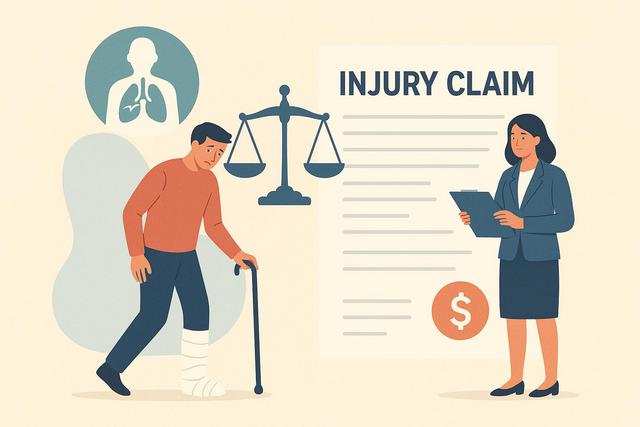
Navigating the complexities of injury claims can be daunting, especially when pre-existing conditions come into play. Understanding how your medical history affects your injury case and potential compensation is crucial. This article delves deeply into the nuances of how pre-existing conditions influence injury claims, with real-world examples, actionable insights, and strategic considerations.
Understanding Pre-Existing Conditions in Injury Claims
Pre-existing conditions are any health issues you had prior to sustaining a new injury. These conditions can complicate your personal injury claim, as they might be used to argue that your current pain and medical issues are not solely due to the new incident.
Defining Pre-Existing Conditions
Pre-existing conditions include chronic diseases, prior injuries, or any health issues that predate your current claim. Common examples include arthritis, back pain, and previous fractures.
Impact on Injury Claims
When filing an injury claim, insurers may scrutinize your medical history to determine how much of your condition existed before the incident. This affects the compensation as insurers argue that not all injuries were caused by the incident.
According to the Insurance Information Institute, insurance companies often argue for reduced payouts by citing pre-existing conditions. However, this doesn't automatically disqualify you from fair compensation.
Case Studies and Real-World Implications
Amy's Slip and Fall Case
In a notable case, Amy, who had a history of back pain, slipped at a grocery store. Her previous condition was cited by the store’s insurer to reduce the compensation offer. However, using detailed medical records, her attorney successfully argued that the extent of her current condition was primarily due to the fall, securing a favorable settlement.
Data Insights
A study by the U.S. Department of Labor showed that over 60% of injury claimants with pre-existing conditions receive initial denial or reduction in payouts, emphasizing the importance of skilled legal representation.
Legal Strategies: Navigating Claims with Pre-Existing Conditions
Comprehensive Medical Documentation
Having thorough, up-to-date medical documentation is crucial. This involves securing records that clearly differentiate between your pre-existing condition and the new injury.
Leveraging Legal Expertise
Engaging a skilled personal injury attorney familiar with pre-existing conditions can significantly impact your case outcome. Experts offer strategic insights, such as using testimony from medical experts to highlight the difference between the old and new injuries.
Evaluating Compensation: Factors to Consider
Apportionment of Damages
In jurisdictions allowing apportionment, damages are divided between what the current accident caused and what pre-existing conditions contributed. Understanding local laws is crucial for claims involving pre-existing issues.
Impact on Settlements
Pre-existing conditions often lead to lower initial settlement offers. Knowledge of how insurers operate, backed by negotiation strategies, can help bypass this issue.
Common Misconceptions and Corrective Measures
Myth: Pre-Existing Conditions Nullify Claims
A prevalent myth is that pre-existing conditions void your right to file a new injury claim. However, the reality is that such conditions require more meticulous handling and documentation.
Corrective Actions
Ensure you disclose all relevant medical history and avoid exaggerating claims. Transparency builds credibility, facilitating more successful claims.
Tools and Resources for Claimants
Medical Record Management Tools
Utilizing platforms like MyChart helps in organizing and accessing your medical records efficiently, vital for building a robust case history.
Online Legal Resources
Resources like Nolo's Guide offer comprehensive insights into legal strategies and state-specific advice for managing injury claims.
Conclusion: Strategic Pathways Forward
Navigating injury claims with pre-existing conditions requires strategic planning, thorough documentation, and expert guidance. The critical takeaways for a successful claim include maintaining detailed medical records, engaging knowledgeable legal representation, and understanding the nuances of apportionment and local laws.
Implementation Steps:
- Document Medical Conditions: Regularly update and maintain a detailed record of your medical history.
- Consult Legal Experts: Seek advice from attorneys experienced with cases involving pre-existing conditions.
- Negotiate Effectively: Use documented evidence to strengthen your negotiating position with insurers.
- Educate Yourself: Utilize online resources to understand the claims process better and prepare for interactions with insurers.

