What Makes a Contract Unenforceable: Key Clauses and Conditions
- 02/09/2026 05:16am
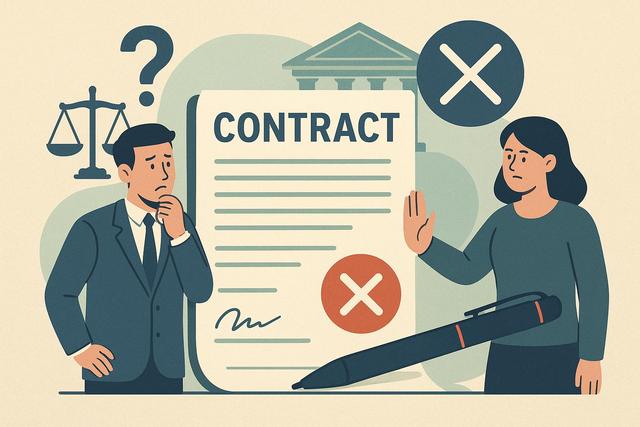
In the complex landscape of contract law, not all agreements hold legal weight. Understanding what makes a contract unenforceable is crucial for both individuals and businesses. This guide explores the essential factors that can invalidates contracts and what you need to consider during legal drafting. By diving deep into this facet of contract law, you can better navigate agreements and avoid potential pitfalls.
Understanding Unenforceable Contracts
Contracts are the backbone of professional agreements, serving as a formalized understanding between parties. However, not all contracts stand legal scrutiny due to various elements that can render them unenforceable. Knowing these elements is vital to avoid legal disputes and ensure your agreements are valid.
What is an Unenforceable Contract?
An unenforceable contract is an agreement that, although inherently valid when made, is not legally binding due to specific legal defenses. These defenses often relate to lack of capacity, illegality, duress, misunderstanding, or utterance of fraudulent statements at the time of making the contract. Understanding these grounds is crucial for anyone involved in contract drafting or negotiation.
Common Reasons for Unenforceability
1. Lack of Capacity
Capacity refers to an individual’s ability to enter into a contract. A contract is unenforceable if any party lacks this capacity due to age (being a minor), mental incapacity, or intoxication. Legal resources agree that all parties to a contract must have a clear understanding of the terms and consequences.
2. Illegality of Contract Subject Matter
Contracts are void if their subject matter is illegal. This includes agreements related to illegal activities, such as drug trafficking or unlicensed gambling. Engaging in or supporting unlawful acts explicitly voids the agreement.
3. Lack of Consideration
Consideration is the exchange of value between parties in a contract. Without it, a contract becomes unenforceable as one party may not be obliged to fulfill their end of the bargain. The courts often look for a ‘bargained-for-exchange’ when evaluating the presence of consideration.
4. Misrepresentation or Fraud
Contracts obtained through fraudulent means or significant misrepresentation can be invalidated. Misrepresentation involves false statements of fact that induce a party to enter the contract. Fraud adds the element of intent, where the deceiving party knew the statements were false.
5. Coercion or Duress
When one party is forced into a contract by threats or pressure, the contract is voidable. Duress must be proven with clear evidence showing that the agreement wasn’t made voluntarily. FindLaw elaborates on the criteria to establish duress.
6. Mistake of Fact
Both parties can render a contract unenforceable if there is a mutual misunderstanding about a fundamental fact. The theory here is that the two parties were not agreeing about the same thing, a crucial element for contracts.
Other Invalidating Elements
Unconscionability
When a contract is grossly unfair to one party, making the terms shocking to the conscience of the court, it can be declared unenforceable due to unconscionability.
Public Policy Violation
Contracts that contravene public policy or statutory provisions, despite being legal, will not be enforced by courts.
Legal Drafting Considerations
To mitigate the risk of creating unenforceable contracts, here are some best practices for legal drafting:
Clarity and Precision: Draft contracts with clear and precise language. Ambiguity and generalities often lead to disagreements and potential invalidation.
Disclosure and Transparency: Complete transparency between parties about rights and obligations helps in maintaining enforceability.
Review by a Legal Professional: Always have contracts reviewed by legal professionals to ensure compliance with relevant laws and regulations.
Case Studies
Case Study 1: Minors in Contracts
In a landmark case, a party sought enforcement of a contract with a minor, leading to the court ruling it unenforceable due to lack of capacity.
Case Study 2: Illegality Grounds
A contract involving the sale of goods banned under international law was deemed void, illustrating the importance of compliance with overarching legal frameworks.
Conclusion
Understanding and identifying the factors that make a contract unenforceable is necessary for any party entering an agreement. Avoiding these pitfalls through thorough contract drafting, addressing potential legal defenses, and maintaining clear communication is crucial for enforceability. Ensure contracts are lawful, fair, and transparent to uphold their legal validity.
Actionable Takeaways
- Review contracts for clarity and firm understanding by all parties
- Ensure all contractual elements meet legal standards and ethical guidelines
- Engage legal professionals to safeguard against unenforceability risks

