Pain and Suffering: How Courts Actually Calculate It
- 01/30/2026 05:16am
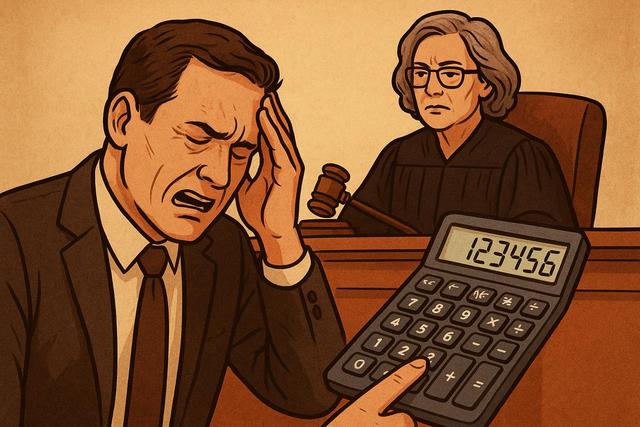
Understanding how courts calculate pain and suffering damages is vital for anyone pursuing injury compensation. This comprehensive guide delves into the methodologies used by the legal system to evaluate and award these damages, providing valuable insights and actionable takeaways.
What are Pain and Suffering Damages?
Pain and suffering refer to the physical and emotional distress a person endures as a result of an injury. These damages are non-economic, meaning they do not have a direct financial cost, making their calculation more challenging than other compensation types such as medical bills or lost wages.
The Importance of Pain and Suffering in Injury Compensation
Compensation for pain and suffering can significantly impact the total amount awarded to an injury victim. Because these damages often account for a large portion of a settlement or court award, understanding how they are calculated is crucial for anyone involved in a personal injury case.
How Courts Evaluate Pain and Suffering
The Multiplier Method
One of the most commonly used methods for calculating pain and suffering is the multiplier method. This involves multiplying the plaintiff's actual damages (such as medical expenses and lost wages) by a number typically ranging from 1.5 to 5.
The Per Diem Method
Another approach is the per diem method, where a specific dollar amount is assigned to each day the victim experiences pain and suffering. This method is often used in conjunction with medical testimony to establish how long the victim will experience suffering.
Factors Influencing Court Decisions
Several factors influence how courts determine pain and suffering awards, including:
- Severity of Injury: More severe injuries typically result in higher damage awards.
- Impact on Daily Life: Courts consider how the injury affects the victim's ability to perform daily activities.
- Medical Evidence: Comprehensive medical documentation and expert testimony can significantly influence the valuation.
Case Studies: How Pain and Suffering Awards Vary
Case Study 1: Severe Car Accident
In a severe car accident case, a plaintiff sustained permanent disability, leading to significant pain and suffering. The court awarded a multiplier of 5, given the extensive impact on the victim's quality of life.
Case Study 2: Minor Slip and Fall
In contrast, a slip and fall resulting in minor injuries might yield a lower multiplier or per diem rate, reflecting the less severe impact on the victim's life.
Actionable Insights for Pursuing Pain and Suffering Damages
- Document Everything: Keeping thorough medical and personal records can substantiate the claim.
- Use Expert Testimonies: Enlisting medical professionals to corroborate the extent of suffering can be persuasive.
- Work with a Skilled Attorney: Legal expertise is crucial for navigating complex calculations and negotiations.
Conclusion
The calculation of pain and suffering damages is complex and varies significantly between cases. Understanding the key methods and variables courts consider ensures claimants are better prepared to argue for fair compensation. Having expert representation and comprehensive documentation can make a substantial difference in the outcome.
For further reading on legal valuation and compensation, visit the American Bar Association or NOLO's legal encyclopedia.

