When Personal Injury Cases Go to Trial: What You Need to Know
- 02/11/2026 05:16am
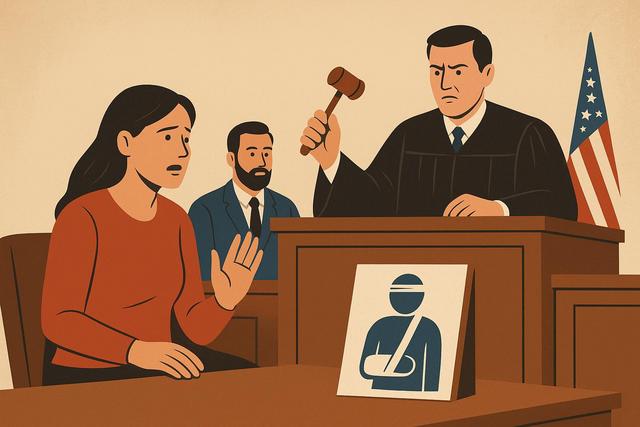
When a personal injury settlement fails, going to trial is often the next step. This detailed guide explores the dynamics, strategies, and implications when your injury case heads to court.
Understanding Personal Injury Trials
When a personal injury case goes to trial, it signifies that negotiations for a settlement have not resulted in an agreement acceptable to both parties. Trials are legally binding procedures where a judge and sometimes a jury determine the outcome of a case. Understanding the nuances of personal injury trials can help plaintiffs prepare better and increase their chances of achieving a favorable verdict.
Why Do Personal Injury Cases Go to Trial?
There are multiple reasons why a personal injury case might go to trial:
- Settlement Disagreements: When the proposed settlement is lower than what the plaintiff believes is fair.
- Liability Disputes: When there is no clear agreement about who is at fault.
- Extent of Damages: Disagreements over the extent and valuation of damages caused.
Data from the Bureau of Justice Statistics suggest that only about 5% of personal injury claims actually go to trial. Therefore, understanding when and why trials happen helps in strategic planning.
Preparing for Trial
Preparation is key to success in any legal battle:
- Legal Representation: Choose an experienced personal injury attorney who understands the nuances of trial procedures.
- Document Everything: Collect all documentation, including medical records, accident reports, and any communication related to the case.
- Understand the Process: Familiarize yourself with key aspects of the trial such as testimonies, cross-examinations, and jury deliberations.
The Trial Process
1. Pre-trial Hearings:
These involve both parties presenting motions and the judge setting rules and timelines for the trial.
2. Jury Selection:
In some cases, a jury will be involved which requires careful attention to jury selection.
3. Opening Statements:
Both sides present opening statements outlining the case from their perspectives.
4. Presentation of Evidence:
Witnesses are called to testify, and physical evidence is presented.
5. Closing Arguments:
Attorneys summarize their cases, aiming to persuade the jury or judge.
6. Verdict and Judgment:
The judge or jury deliberates the evidence and delivers a verdict.
Legal Strategies and Considerations
A robust legal strategy often tips the scales in favor of a plaintiff or defendant:
- Narrative Crafting: Ensuring the jury or judge truly understands the plaintiff’s story and the suffering endured.
- Expert Witnesses: Utilizing professionals who can authoritatively explain complex concepts or affirm the extent of injuries.
The Impact of Trial Decisions
Verdicts can significantly impact the compensation received:
- Higher or Lower Payouts: Trials can result often in more favorable outcomes for plaintiffs owing to punitive damage judgments or comprehensive evidence of suffering.
- Legal Precedents: The case may set a precedent that influences future claims and settlements.
Case Study: Smith vs. XYZ Corporation
To better understand the stakes involved in personal injury trials, let’s consider a hypothetical case study involving "Smith vs. XYZ Corporation". Smith experienced significant injury due to negligence at a construction site operated by XYZ Corporation. Despite Smith's attempts to settle out of court, the offer was far below the sum needed to cover medical expenses and lost wages. During the trial, Smith’s legal team effectively utilized evidence from expert testimonies and detailed medical records, resulting in a favorable verdict with compensations covering long-term rehabilitation.
Conclusion: Deciding When to Go to Trial
Deciding to take a personal injury case to trial is a complex decision that should be guided by strategic considerations and thorough preparation. It can significantly affect the outcome and potential compensation. In collaboration with a skilled attorney, plaintiffs must weigh the benefits against the uncertainties and risks associated with litigation.
Actionable Takeaways:
- Consult with Legal Experts: Before heading to trial, seek expert legal counsel to best understand your case’s potential in court.
- Documentation and Preparedness: Ensure all evidence and documentation are in order to support your case.
- Strategic assessment: Consider if the potential gains from a trial outweigh the stability of a negotiated settlement.

