Bail Hearings Explained: Navigating the Bail Process in Criminal Court
- 02/13/2026 05:16am
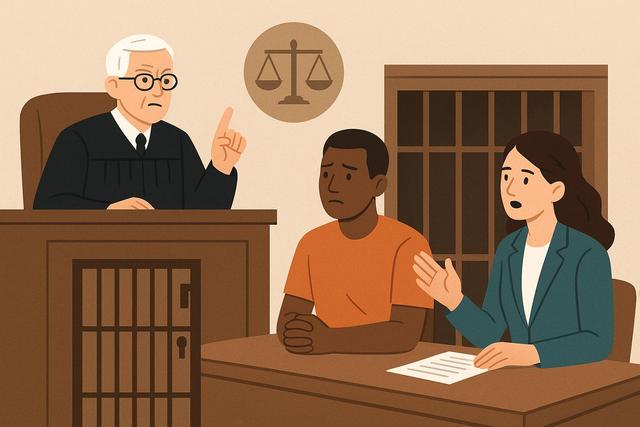
Bail hearings are a crucial aspect of the criminal justice system. They determine whether a defendant awaits trial in jail or remains free under specific conditions. This guide explains how bail decisions work and what influences release conditions, providing valuable insights into the bail process in criminal courts.
Understanding the Bail Process
The bail process is an essential component of the criminal justice system, designed to ensure that defendants appear for trial while balancing the presumption of innocence with the need to protect the public. The objective of bail is not to punish, but to ensure compliance with court requirements. FindLaw provides a comprehensive overview of bail, including its history and purpose.
Key Factors Influencing Bail Decisions
Severity of the Alleged Crime
One of the primary factors influencing bail decisions is the severity of the crime. More serious offenses typically result in higher bail amounts or denial of bail. Judges must evaluate the potential threat posed to the community if the defendant is released.
Defendant's Criminal History
A criminal history can significantly impact bail outcomes. Repeat offenders or those with a history of violent crimes are often seen as higher risks, affecting their chances of being granted bail.
Flight Risk Assessment
Judges assess whether a defendant is likely to flee to avoid trial. Factors such as employment stability, community ties, and residence history are considered. Resources like U.S. Courts provide insights into how flight risk is evaluated.
Collateral and Financial Circumstances
The defendant's ability to pay bail also plays a role. Judges may consider personal finances but often determine bail amounts based on the crime's severity and the defendant's risk profile.
Bail Hearing Procedures
Scheduling and Representation
Bail hearings typically occur within 48 hours of an arrest. Defendants have the right to legal representation, which is crucial in arguing for a favorable bail decision. Cornell Law School provides legal definitions essential for understanding these procedures.
The Judge's Role
The judge reviews case specifics, considering arguments from both defenders and prosecutors. A thorough understanding of these roles can help defendants and their lawyers prepare effectively for hearings.
Types of Bail and Release Conditions
Cash Bail
This traditional form of bail requires full payment or a percentage to be paid directly to the court. The full amount is refundable upon compliance with court orders.
Bail Bond
In cases where defendants cannot pay cash bail, a bail bond can be secured through a bail bondsman. This involves offering a percentage of the bail amount as a fee to the bondsman, who provides a surety bond to the court.
Release on Own Recognizance (ROR)
In certain situations, a judge may release a defendant on their own recognizance, relying on their promise to appear at future court dates. This is more common for low-risk individuals.
Impact of Bail Decisions
Bail decisions can impact societal perceptions of justice and fairness. The Brennan Center for Justice examines how cash bail impacts marginalized communities, prompting ongoing reform discussions.
Recent Reforms and Alternatives
Many jurisdictions are exploring alternatives to cash bail, such as supervised release programs and electronic monitoring, aiming to ensure equity in the pretrial process while maintaining public safety.
Conclusion: Navigating the Bail System
Understanding the various elements of bail hearings, from the factors influencing decisions to the alternatives available, equips defendants and their advocates to better navigate this complex system. As legal reforms continue to evolve, staying informed on current practices and trends is crucial for effective advocacy and justice pursuit.
- Assess case specifics and financial capabilities before the hearing.
- Leverage legal representation to argue effectively for favorable conditions.
- Stay informed about local laws and reforms in the pretrial process.

