When to Accept a Plea Bargain: A Comprehensive Guide
- 01/21/2026 05:16am
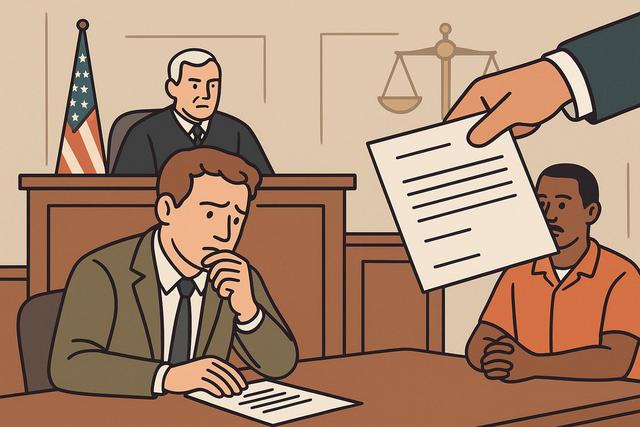
Navigating the complexities of the criminal justice system can be daunting. One of the most critical decisions a defendant might face is whether to accept a plea bargain. This guide explores the factors to consider to make an informed decision and avoid costly mistakes.
Understanding a Plea Bargain
A plea bargain is an agreement between the prosecutor and the defendant in which the defendant agrees to plead guilty to a lesser charge or to one of multiple charges in exchange for some form of leniency. This leniency could be in the form of reduced sentencing or the dismissal of additional charges.
The Pros and Cons of Plea Bargains
Pros
- Reduced Sentencing: Accepting a plea bargain usually results in lighter sentencing compared to what might be imposed following a trial conviction.
- Certainty: A plea offer provides certainty whereas a trial can be unpredictable.
- Time-Saving: Trials can be lengthy affairs that may take months or even years to conclude.
Cons
- Admission of Guilt: Accepting a plea usually involves admitting guilt to a crime which can carry consequences such as a criminal record.
- Limited Appeal Rights: Plea bargains can limit the ability to appeal.
- Might Not Reflect Innocence: Those accepting a plea might actually be innocent but agree due to pressures or resource constraints. Harvard Law Review
Factors to Consider Before Accepting a Plea Bargain
Strength of Evidence
Evaluate the strength of the evidence against you. Strong evidence may make a guilty verdict more likely, which makes a plea bargain more beneficial. FindLaw
Potential Sentence if Convicted
Compare the potential sentence you could receive if convicted at trial versus the deal being offered in the plea.
Impact on Record and Life
Consider how a criminal conviction may affect your personal life, career, and standing in the community.
The Role of Legal Counsel
An experienced attorney is essential when navigating the decision to accept a plea bargain. They can provide insights into:
- Legal Implications: Explaining what the plea entails.
- Negotiation: Securing the best possible terms.
- Long-term Consequences: Outlining the long-term implications of accepting the plea. Consult resources like the American Bar Association.
Case Studies Highlighting Plea Bargain Decisions
Case Study 1: Precedents in Drug Offenses
In some drug-related cases, defendants with minimal prior records have opted for plea bargains and received probation, avoiding extensive jail time.
Case Study 2: White-Collar Crimes
Consider a scenario where tangible evidence solidifies the likelihood of a guilty verdict. In such cases, opting for a plea to lesser charges has sometimes reduced the maximum sentencing significantly.
When Should You Decline a Plea Bargain?
Reject a plea if:
- Insufficient Evidence: The prosecution lacks evidence to prove guilt beyond a reasonable doubt.
- Strong Defense: If your attorney believes you have a substantial chance of winning.
- Innocence: You are unequivocally innocent and wish to be exonerated.
Conclusion
Accepting a plea bargain is a significant decision with lasting consequences. By weighing the strengths of the case against you, potential sentences, and personal implications, alongside consultation with legal professionals, you can make an informed decision. Remember, never rush into an agreement without thoroughly considering all your options. Always seek guidance from competent counsel and reputable resources.

