Lump Sum vs Structured Settlements: Which is Right for You?
- 03/30/2026 05:16am
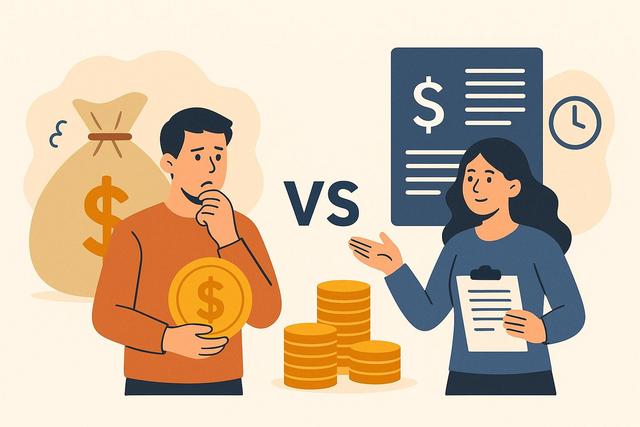
When facing a settlement as part of injury compensation, choosing between a lump sum or structured settlement can significantly affect your financial future. This guide dives into both options, their long-term impacts, and strategic considerations to help you make an informed decision.
Understanding Lump Sum Settlements
Definition and Mechanism
A lump sum settlement is a one-time payment disbursed to a claimant as part of an injury compensation. This payment is designed to cover all future financial needs resulting from the case.
For example, if the claimant wins a case involving long-term disability, the compensation may include medical expenses, lost wages, and emotional distress, all paid upfront.[Source]
Financial Opportunities and Risks
Though appealing due to its immediacy, a lump sum poses financial risks, like mismanagement, which can deplete funds prematurely. Statistically, individuals receiving lump sums often spend rapidly, necessitating financial discipline and planning.
Conversely, successful management can lead to substantial investment opportunities like property acquisition or stock investments, potentially generating long-term wealth.[Source]
Decoding Structured Settlements
How They Work
Structured settlements provide payments through an annuity over a specified period. The periodic disbursements aim to deliver a stable, long-term income stream.
Typically, these are used in personal injury or wrongful death cases, with money allocated towards ongoing expenses such as healthcare and living costs.[Source]
Benefits and Considerations
Structured settlements reduce the risk of rapidly depleting funds and offer tax advantages. Since most income from these settlements is tax-free, they provide a clear financial benefit for long-term planning.
However, a critical downside includes potential inflation impacts, reducing the real value over time if not adjusted properly. The rigidity can also limit immediate financial flexibility.[Source]
Financial Impact Comparison
Long-Term Financial Stability
Structured settlements inherently offer greater financial stability due to predictable payouts. Conversely, lump sums, while potentially lucrative through investments, require rigorous financial strategies to avoid risks.
Inflation and Economic Factors
Inflation diminishes purchasing power. A structured settlement could lag behind if not inflation-protected, whereas a lump sum allows immediate investments that, if wisely chosen, can outpace inflation rates.[Source]
Case Studies: Real-World Applications
High-Profile Settlement Examples
Consider a prominent athlete receiving a lump sum after a career-ending injury. This athlete wisely invested in diverse portfolios, yielding a stable post-career income.
Conversely, a televised settlement case opted for structured payments, ensuring covered ongoing medical costs were met without financial strain over decades.[Source]
Lessons Learned
These examples illustrate the power of adaptive strategies, where individual financial contexts dictated the settlement choice success. Evaluating personal finance goals proves paramount.
Legal and Tax Implications
Tax Considerations
Lump sums typically face differing tax policies, particularly in non-personal injury cases, while most structured settlements’ periodic payments are non-taxable, offering a strategic advantage.
Legal Strictures and Advice
Engaging a legal expert is critical when analyzing settlements to ensure full comprehension of tax, legal, and financial consequences tailored to individual circumstances.[Source]
Making the Choice: Strategy and Planning
Determining Your Financial Goals
Determine whether immediate liquidity or steady income aligns with your goals. Consider factors like ongoing medical needs and potential investments.
Engage financial planners who can elucidate how variables like interest rates and inflation affect future financial stability regarding settlement choices.[Source]
Customizing Your Settlement Approach
Hybrid models now exist, blending lump sum and structured settlements, exemplifying modern adaptability in compensation solutions.
Such customization supports unique financial landscapes, catering both immediate needs and securing future security in a balanced manner.
Conclusion: Takeaways and Implementation Steps
Ultimately, choosing between a lump sum and structured settlement demands a comprehensive understanding of personal financial objectives, risk tolerance, and strategic foresight. Consider:
- Evaluate long-term vs. short-term financial needs
- Consult with financial and legal professionals
- Consider hybrid payout models for flexibility
By considering these factors, you can make an informed decision that aligns with your financial goals and secures your economic future.[Source]

