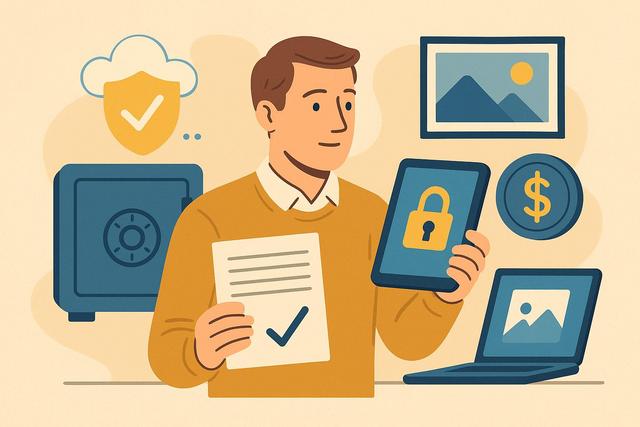
In today's digital era, our virtual presence has gained incredible value. From cryptocurrencies to social media accounts, digital assets are an integral part of our estate. Navigating the management and legal transfer of these assets requires careful planning. This guide explores how to incorporate digital assets into estate planning effectively.
Understanding Digital Assets
Digital assets encompass a wide array of items, including cryptocurrencies, online bank accounts, social media profiles, domain names, and intellectual properties stored online. As these assets gain monetary and sentimental value, managing them in an estate plan becomes crucial.
Types of Digital Assets
- Cryptocurrencies: Bitcoin, Ethereum, and other digital currencies are considered valuable digital assets. Their decentralized nature requires specific strategies for secure management and transfer.
- Online Financial Accounts: Bank and brokerage accounts accessible online are essential components of an estate plan.
- Social Media and Email Accounts: These accounts often house critical personal information requiring management in the event of the owner's incapacity or death.
- Intellectual Property and Digital Media: Blogs, online videos, eBooks, and patents are intellectual assets that hold financial potential in an estate.
Importance of Including Digital Assets in Estate Planning
Omitting digital assets from estate planning can result in beneficiaries losing access, facing legal hurdles, or encountering identity theft. According to a recent study, digital asset theft increased by 300% over the past 5 years due to improper management.
Legal Aspects of Digital Asset Management
Asset Visibility and Access
Establish a comprehensive inventory of all digital assets, including login credentials. Use a secure password manager to centralize this information for easy access by executors or trusted individuals.
Designation of Digital Executors
Appointing a digital executor is essential to manage your digital presence after passing away. This person should be tech-savvy and capable of navigating various platforms to ensure your wishes are respected.
Legal Documentation
1. Last Will and Testament
Incorporate digital asset management instructions within your will, detailing who will inherit specific digital properties and how they should be handled.
2. Trusts
Consider setting up a digital assets trust to manage complex portfolios like cryptocurrencies. Trusts provide flexibility and legal advantages, ensuring digital assets are managed according to your intentions while minimizing probate costs.
State Laws and Regulations
Laws surrounding digital assets vary by jurisdiction. Familiarize yourself with relevant laws in your area or consult with a specialized attorney. The Revised Uniform Fiduciary Access to Digital Assets Act (RUFADAA) provides a framework many states adopt to clarify these legal territories.
Strategies for Digital Asset Inclusion in Estate Planning
Regular Asset Inventory Updates
Maintain an up-to-date list of digital assets and their access credentials. Update this inventory annually or when significant changes occur.
Integrating Digital Assets with Traditional Estates
Use estate planning software that allows for the integration of both digital and physical assets, streamlining the management process.
Educating Beneficiaries
Inform your beneficiaries about the existence and importance of your digital assets. Education helps them understand potential value and responsibilities.
Employing Specialized Professionals
Hire professionals specializing in estate planning with a focus on digital asset management. Websites like LegalZoom and Nolo provide valuable resources for finding qualified experts.
Conclusion
Digital assets are an essential component of modern estate plans, ensuring their secure and lawful transfer is critical. By understanding digital asset types, addressing legal concerns, appointing appropriate estate executors, and regularly updating estate plans, individuals can achieve peace of mind, knowing their digital legacy is safeguarded for future generations.
Actionable Takeaways
- Prepare a comprehensive inventory of digital assets.
- Assign a knowledgeable digital executor.
- Incorporate clear instructions for digital assets in legal documents such as wills or trusts.
- Stay informed on state regulations concerning digital estates and seek professional consultation.

