Understanding the Real Timeline of Injury Cases
- 04/10/2026 05:16am
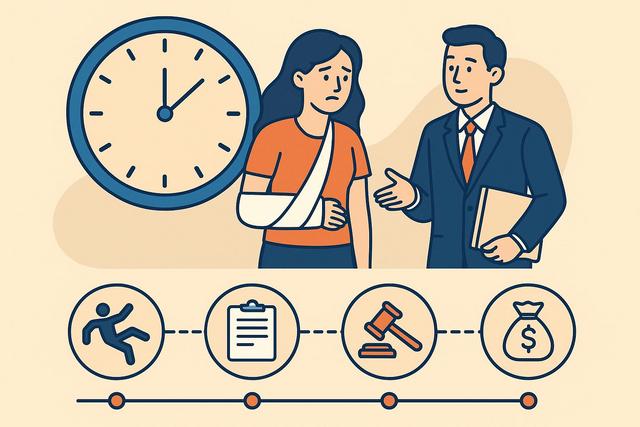
Injury cases can be intricate, with each case progressing at a unique pace depending on multiple variables. How long do these cases really take, and what factors influence their timeline? This guide delves into various types of injury cases, examining average durations, critical influences, and strategic insights to navigate the legal process efficiently.
The Anatomy of Injury Cases
Injury cases involve pursuing compensation for damages due to physical or emotional harm. They comprise several stages—initial report, investigation, claim filing, negotiations, and possibly trial.
Key Stages in Case Progression
Initial Investigation: The groundwork for any injury case is laid with fact-finding. Medical evaluations and gathering evidence, such as witness statements and photographs, are crucial here.
Negotiation and Settlement Discussions: A majority of injury cases settle out of court. These negotiations can either lengthen or hasten the process based on the complexity of issues and willingness to compromise.
Real-World Examples
Consider a case involving a slip and fall at a retail store. Here, the investigation could prolong if both the store's and the injured party's insurance companies require extensive documentation. Conversely, a minor car accident where responsibility is clear might resolve quicker.
Average Injury Case Durations by Type
The timeline of an injury case can vary widely based on its nature.
Car Accident Settlements
Car accident cases often require negotiation between multiple parties and insurance companies, typically lasting between several months to over a year.
- Data Insight: According to the Insurance Research Council, 85% of all motor vehicle injury claims are settled in 1 year, with larger claims extending to over 2 years.
- Strategic Advice: Prioritize thorough documentation and open communication with insurers to facilitate quicker settlements.
Medical Malpractice Cases
These are generally more prolonged due to the complexity and need for expert testimony.
- Average Duration: Typically ranges from 1 to 3 years, sometimes extending beyond.
- Case Study: The case of Smith v. Hospital illustrated this, taking nearly four years because of extensive expert depositions and evidence review.
Factors That Influence Case Duration
Several critical factors affect how long an injury case takes to resolve.
Severity of Injury
Serious injuries require longer rehabilitation periods and impact evaluation of long-term effects, thus prolonging the case.
- Critical Analysis: In cases of severe spinal injuries, ongoing treatment may need assessment before litigation recommendations.
Legal Complexity
Complex legal issues, such as those involving corporate defendants or multiple parties, require deeper investigation and longer court processes.
- Example: Cases like product liability can stretch for years given the need to establish product defect and liability.
Jurisdiction and Court Availability
Court caseloads and local rules can significantly impact timeframes.
- Data Point: Analysis shows courts with heavier caseloads see an average delay of 6 months to a year compared to those with fewer cases.
Strategies to Expedite Your Injury Case
While patience is often required, there are strategic moves to streamline the process.
Early Settlement Considerations
Evaluate the option of early settlement to avoid prolonged litigation.
- Legal Insight: Engage in mediation or arbitration as alternative dispute resolutions, speeding up settlement without court involvement.
Efficient Use of Legal Representation
Hiring seasoned attorneys can navigate complexities effectively.
- Tip: Ensure your attorney specializes in personal injury law ensuring adept case management and negotiations.
A Critical Perspective
While the essence of justice is its pursuit of truth, many argue that the legal system prioritizes procedural accuracy over speed. This can be a deterrent for many claimants awaiting crucial financial compensation.
Alternative Methods and Innovations
Emerging technologies aim to streamline the claims process through digital platforms and algorithms, presenting new challenges and opportunities.
- Reference: Firms like LegalZoom are advancing online assessments for quicker case evaluations.
Conclusion: Streamlining Injury Case Timelines
Understanding the complex landscape of injury cases is pivotal. Throughout this exploration, clear paths to timely resolutions emerge:
- Actionable Takeaways:
- Documentation is Key: Maintain meticulous records and any evidence related to your case.
- Regularly Communicate: Engage actively with your legal team to stay informed about your case status.
- Consider Alternatives: Explore mediation or arbitration for potentially faster settlements.
By leveraging these insights and working collaboratively with your legal advisors, the daunting landscape of injury cases becomes considerably navigable.

