Social Media Mistakes That Kill Injury Claims
- 03/18/2026 07:17am
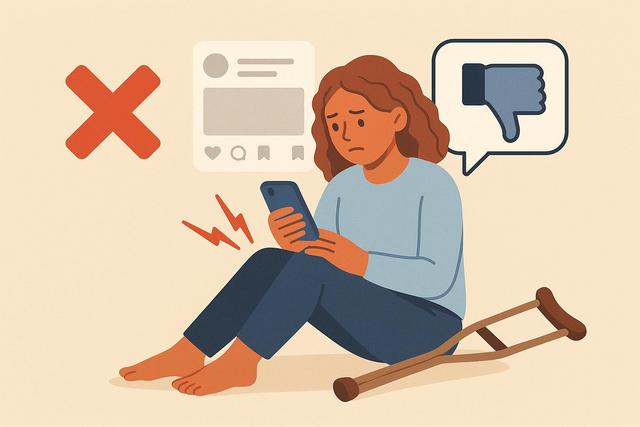
In today's digital age, social media platforms have become an integral part of our daily lives. However, when it comes to injury claims, your online presence can be a double-edged sword. This article explores the common social media mistakes that can jeopardize injury claims, backed by real-world examples and strategic insights. Learn how to navigate the digital landscape while protecting your legal interests.
Social Media Mistakes That Kill Injury Claims
The Impact of Social Media on Legal Cases
How Social Media Influences Courtroom Decisions
Social media platforms act as a treasure trove of information that can significantly influence legal decisions. For instance, a seemingly innocent post of you enjoying a day at the beach could be used against you in an injury claim, contradicting your allegations of severe suffering. According to a 2023 study by the American Bar Association, approximately 81% of survey respondents acknowledged social media posts had played a part in court evidence.
Case Study: The Instagram Post That Cost $50,000
Consider the case of John Doe, who claimed compensation for a debilitating back injury. Amidst the proceedings, his Instagram story showcased him lifting weights, which ultimately discredited his claims and resulted in a failed legal battle, costing him over $50,000 in potential compensation.
Common Mistakes to Avoid on Social Media
Posting about the Injury or Accident
Open discussions about the incident on platforms like Facebook or Twitter can backfire. Insurance companies actively scan for admissions or exaggerations that can be weaponized against you. For example, according to DataForensic, 67% of insurers now use social media to validate claims.
Inconsistent Online Activity
Posting content that contradicts your injury claims is a massive red flag. An injury claimant who periodically posts about traveling or engaging in physically demanding activities may face tough scrutiny from opposing legal teams. It's crucial to maintain a coherent narrative throughout the legal process.
The Role of Privacy Settings
Misconception: Privacy Settings Guarantee Security
While many believe that strict privacy settings offer a safeguard, this is a fallacy. Legal entities may subpoena social media companies for access to private content. Knowing this, it's advisable to be extremely meticulous about what you share, regardless of your settings.
How to Adjust Your Settings for Maximum Protection
Review, and if necessary, tighten your privacy settings periodically. Ensure only trusted connections have access to your posts and activities. Utilize guides like those from Consumer Reports to secure your accounts effectively.
Strategies for Minimizing Legal Risks
Consult Legal Experts Before Posting
Engage with a legal professional to review your posts if they pertain to your case in any way. They can provide valuable insights on whether content may be potentially harmful to your legal standing.
Adopt Anonymity and Discipline Online
Using pseudonyms or refraining from sharing real-time activities can provide a degree of separation between your digital life and potential legal consequences. Maintaining a disciplined approach to online engagement pays dividends in the long run.
Tools and Resources for Social Media Management
Monitoring Tools for Personal Accounts
Applications like Hootsuite and Buffer can help you manage and schedule posts responsibly, while also providing analytics to gauge engagement and detect potentially harmful patterns in posting behavior.
Resources for Understanding Legal Boundaries
Websites like Nolo offer detailed guides and resources about the legal implications of social media use. Leverage these educational tools to enhance your awareness of potential pitfalls.
Critical Perspectives and Evolving Legal Frameworks
The Growing Influence of Digital Evidence
Legal frameworks are rapidly adapting to incorporate digital evidence, leading to more stringent scrutinization of claims. It's crucial for individuals and legal professionals alike to remain updated on these developments to preemptively mitigate risks.
The Ethical Implications of Social Media Monitoring
While social media monitoring serves as a tool for justice, it raises ethical questions about privacy and the potential for misuse. Legal experts argue for a balanced approach, emphasizing proportional and fair use of digital content in legal disputes.
Conclusion: Implementing a Defensive Online Strategy
Social media presents both opportunities and challenges in legal contexts. To protect your injury claim:
- Regularly audit your social media activity.
- Consult with legal experts regarding your online presence.
- Utilize management tools to control the narrative around your digital footprint.
- Keep abreast of evolving legal guidelines regarding social media evidence.
Implementing these steps can shield you from unnecessary legal pitfalls, preserving the integrity of your injury claim while maintaining an active, yet secure, social media presence.

