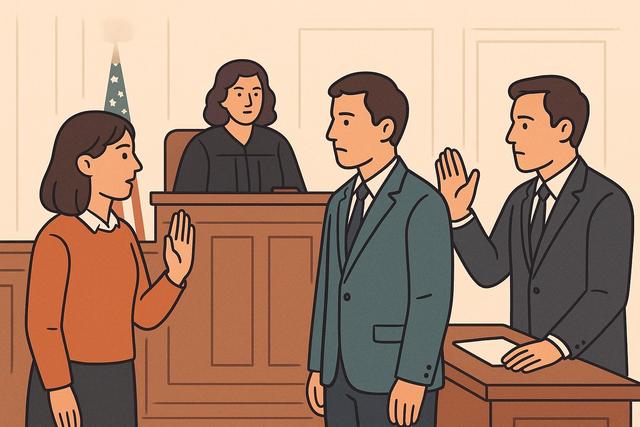
In criminal trials, character witnesses can play a pivotal role by influencing the jury's perception of the defendant. Understanding how these witnesses can affect the outcome is crucial for anyone involved in the legal system. This comprehensive guide explores the intricacies of character witnesses, their impact on trial strategies, and best practices for utilizing them effectively.
Understanding Character Witnesses
A character witness is an individual who testifies about the personality, reputation, and conduct of the defendant in a criminal trial. Unlike expert witnesses, who provide evidence based on specialized knowledge, character witnesses offer insights into the moral fiber and everyday behavior of the accused.
The Importance of Reputation
Reputation is a critical element in determining a defendant's character. Courts often consider testimony regarding the defendant's reputation in the community, particularly in cases where the defendant has no prior criminal record. A character witness can bolster the defendant's claim of innocence by highlighting positive traits and community contributions.
The Legal Framework for Character Witnesses
Character evidence is not always admissible in court. The Federal Rules of Evidence Rule 404 generally prohibits character evidence to prove that on a particular occasion, a person acted in accordance with a character or trait. However, there are exceptions:
- Defense Strategy: The defense may present character evidence to establish traits like honesty or peacefulness.
- Rebuttal: Once the defense introduces character evidence, the prosecution is allowed to rebut it.
Types of Character Evidence
Character evidence can be presented in two primary ways:
- Reputation or Opinion: Witnesses can testify about the defendant's reputation or offer an opinion regarding their character.
- Specific Instances of Conduct: While generally inadmissible, these may be allowed if they directly relate to the case at hand.
The Impact of Character Witnesses on Trial Strategies
Utilizing character witnesses can significantly influence trial strategies. A well-prepared character witness can humanize the defendant and help establish a narrative that supports the defense's case.
Choosing the Right Witnesses
Not all character witnesses are equally effective. The best witnesses are those who have a long-standing and significant relationship with the defendant. American Bar Association guidelines suggest considering witnesses who can present a balanced and credible portrayal of the defendant.
Case Studies: Successful Use of Character Witnesses
Several high-profile cases highlight the successful use of character witnesses:
- Case Study 1: In a landmark case in California, a defendant was acquitted partly due to compelling testimony from a teacher who spoke to the defendant's integrity and reliability.
- Case Study 2: In New York, a business leader's character witness testimony was instrumental in reducing sentencing in a financial fraud case.
Actionable Insights for Legal Practitioners
For legal practitioners considering character witness testimony, the following strategies can enhance effectiveness:
- Prepare Witnesses Thoroughly: Ensure they understand the boundaries of permissible testimony.
- Corroborate with Evidence: Where possible, support character testimony with documentary evidence or additional witnesses.
- Anticipate Rebuttal: Prepare counterarguments for the prosecution's rebuttal witnesses.
Conclusion: Maximizing the Value of Character Witnesses
Character witnesses can offer invaluable support in criminal trials by swaying the jury in favor of the defendant. While there are legal constraints and strategic considerations, a well-prepared character witness can provide a powerful counterbalance to the prosecution's narrative. Legal teams should assess the potential impact of character witnesses early in the case development process to maximize their efficacy. Cornell University's Law School provides further resources on legal strategies involving witnesses.

