The Role of a Defense Attorney in a Criminal Trial
- 03/19/2025 11:16am
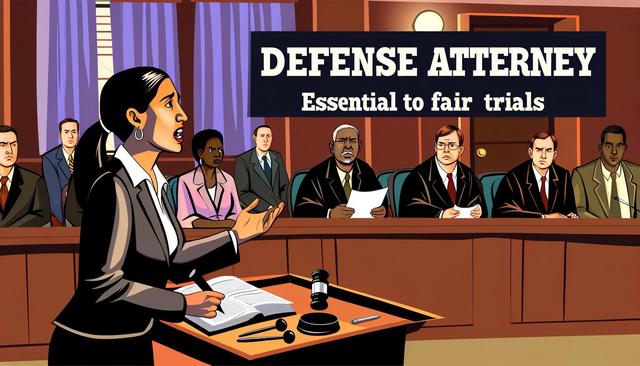
In the intricate landscape of criminal law, defense attorneys play a pivotal role. They are the shield that stands between their clients and a sea of legal adversities, ensuring that justice is served fairly and impartially.
Understanding the Core Responsibilities of a Defense Attorney
The primary responsibility of a defense attorney is to provide robust legal representation for individuals accused of crimes. This entails a painstaking preparation process, where the attorney must be well-versed in both the specifics of their client's case and the broader aspects of criminal law.
Client Advocacy and Ethical Obligations
Defense attorneys are bound by ethical obligations to advocate fervently for their clients. This commitment to ethical standards ensures clients receive a fair representation under the law, emphasizing the presumption of innocence until proven guilty.
Trial Preparation: A Key Element of Defense Strategy
Preparation is crucial in constructing a compelling defense case. Defense attorneys meticulously gather evidence, interview witnesses, and examine the prosecution's case for weaknesses. Often, they employ expert witnesses to provide testimony that supports the defense's arguments.
Utilizing Investigative Tools and Resources
Advanced investigative tools like forensic analysis and digital data examinations can significantly benefit a defense attorney's strategy. Resources such as the National Association of Criminal Defense Lawyers offer valuable insights and support for legal professionals.
Legal Representation in the Courtroom
Once in the courtroom, defense attorneys must skillfully navigate the judicial process, from jury selection to presenting evidence and cross-examining witnesses. Their courtroom acumen is essential in persuading the jury of their client’s innocence or, at the very least, casting reasonable doubt.
Communication Skills and Persuasive Argumentation
Effective communication is critical during a trial. Defense attorneys need to construct persuasive narratives that resonate with the jury and highlight inconsistencies or flaws in the prosecution's case.
Post-Trial Responsibilities and Appeals
After a verdict is reached, defense attorneys may continue their representation through the appeals process if necessary. This involves identifying legal errors made during the trial that could result in a reversal or new trial.
Filing Appeals and Further Legal Actions
Defense attorneys must have a thorough understanding of appellate procedures and be adept at crafting compelling legal arguments to present before appellate courts. Cornell Law School’s Legal Information Institute is a helpful resource for understanding appellate law.
Conclusion: Key Takeaways for Understanding Defense Attorneys’ Role
The role of a defense attorney extends far beyond courtroom appearances. They are an integral part of the justice system, ensuring fair trials and advocating during critical phases of a legal process. Preparing thoroughly, demonstrating exceptional courtroom skills, and committing to ethical advocacy are vital components of their role.
For anyone facing criminal charges, seeking a qualified and experienced criminal defense lawyer is essential. Understanding their comprehensive responsibilities can help clients feel more secure and informed throughout the legal proceedings.

