Understanding the Difference: Living Will vs Last Will
- 08/21/2026 05:16am
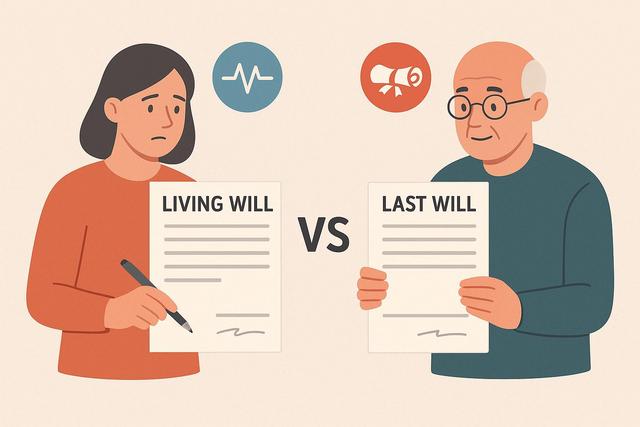
In the realm of estate and legal planning, understanding the nuances between a living will and a last will is crucial. Although these documents are vital components of a comprehensive estate plan, they serve distinct purposes and are applied in different scenarios. This guide delves into their differences, helps you navigate the legal landscape, and assists in making informed decisions for your future.
Understanding the Basics
Before diving into the differences, let's clarify what a living will and a last will entail.
What Is a Living Will?
A living will, also known as an advance healthcare directive, is a legal document that specifies your preferences for medical treatment in situations where you are unable to communicate your wishes. Unlike a last will, a living will is concerned solely with healthcare decisions and end-of-life care preferences.
Real-World Example
Consider a scenario where an individual suffers a severe accident and is left in a vegetative state. A living will would guide healthcare providers and family on whether to continue life support or opt for other medical interventions.
What Is a Last Will?
On the other hand, a last will, often called a will or testament, is a legal document that outlines the distribution of your assets and property after your death. It also appoints executors and guardians for minor children.
Strategic Insights
- A last will addresses the management of your estate.
- It helps in minimizing disputes among heirs.
- Appoints guardians for dependents, which is crucial for parents.
Key Differences Between Living Will and Last Will
Both documents are integral, but they play vastly different roles.
Purpose
- Living Will: Focuses on healthcare decisions.
- Last Will: Centers on asset distribution and guardianship.
Timing
- Living Will: Activated while you're alive but incapacitated.
- Last Will: Comes into play upon death.
Content
- Living Will: Health directives such as life support removal.
- Last Will: Asset allocation, executor appointments.
| Aspect | Living Will | Last Will |
|---|---|---|
| Activation | Incapacitation | After death |
| Content | Healthcare decisions | Asset distribution, guardianship |
| Purpose | Medical preferences | Estate management |
Crafting a Living Will
Creating a living will involves deciding on various medical treatments and interventions.
Steps to Create a Living Will
- Identify Preferences: Reflect on medical treatments you would or wouldn’t want.
- Consult a Lawyer: They provide guidance on legal requirements in your state.
- Discuss with Family: Ensure they are aware and respect your wishes.
- Draft the Document: Use precise language to remove ambiguity.
- Review Regularly: Update as your preferences or health conditions evolve.
Common Mistakes
- Failure to communicate wishes to family.
- Overly complex language that complicates understanding.
Drafting a Last Will
A last will secures peace of mind by ensuring your assets are distributed per your wishes.
Tips for Effective Last Will
- Inventory Assets: Know what assets need distribution.
- Choose an Executor: A person you trust to handle your estate.
- Name Guardians: Decide on guardians for minor children.
Risks and Limitations
- Not updating the will can lead to outdated preferences.
- Poor executor choice may complicate estate settlement.
Comparing Tools and Resources
Various tools and platforms assist in drafting these documents.
Legal Platforms
- LegalZoom: Offers templates and professional legal advice.
- Nolo: Provides DIY kits for drafting wills.
- Rocket Lawyer: Subscription-based service for legal needs.
When to Seek Professional Help
- Complex estates necessitate an attorney.
- Unique healthcare preferences may require professional articulation.
Common Misconceptions
Misunderstandings can lead to unintended consequences.
Misconception 1: They Are Interchangeable
Living wills and last wills serve distinct purposes. Confusion can nullify their effectiveness.
Misconception 2: They Cover the Same Aspects
A last will cannot enforce healthcare decisions and vice versa.
Conclusion
In summation, both living wills and last wills are pivotal but serve different ends of the life-planning spectrum. A living will determines your medical treatment preferences during incapacitation, while a last will guides the distribution of your estate posthumously. By understanding these distinctions and carefully drafting each document, you safeguard your future preferences and asset distribution.
Implementation Steps
- Evaluate your personal and family needs.
- Draft both wills with precise language.
- Regularly review and update based on life changes.
FAQs
How can I revoke or amend my living will?
Both a living will and a last will can be amended or revoked by creating a new document stating the changes or nullifications.
Do I need a lawyer to draft these documents?
While DIY options are available, legal assistance ensures compliance with state laws and thorough reflection of your wishes.
Can a last will influence healthcare decisions?
No, a last will is used solely for asset distribution and guardianship appointments after death.
How frequently should I update my wills?
Review them whenever there are major life changes such as marriage, divorce, or the birth of a child.
Are online legal platforms reliable for drafting?
Yes, many offer reliable templates, but ensure they adhere to your state’s specific legal requirements.

