How to Create a Will Online: A Free Step-by-Step Guide
- 07/31/2026 05:16am
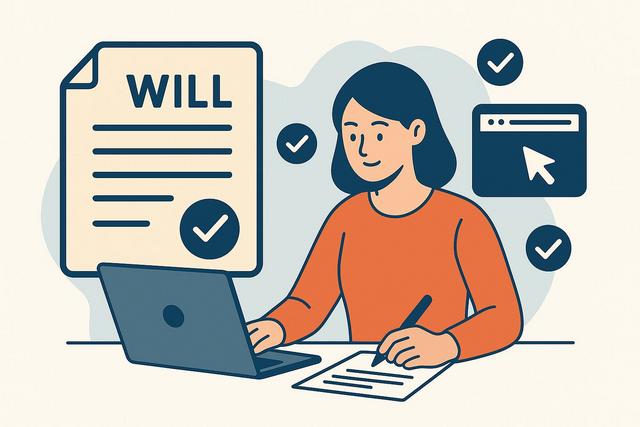
Creating a will is an essential task for ensuring that your assets are distributed according to your wishes after your death. In today's digital age, making a will online has become more accessible and affordable. This guide will walk you through the process of creating a will online for free, using widely available tools. You'll learn about the factors to consider, potential pitfalls to avoid, and how to ensure that your document is legally binding.
Understanding the Importance of a Will
Without a will, your estate may be distributed according to the state's intestacy laws, which might not align with your personal wishes. Creating a will ensures that your assets are allocated to your family, friends, or charities as you desire. Additionally, a will can designate guardians for minor children or manage trusts for beneficiaries, further simplifying the probate process.
Preparations Before Creating a Will Online
Before starting, gather necessary information, including a detailed list of assets, debts, insurance policies, and beneficiaries. Think about who you want as your executor and any specific instructions for distributing your estate. A thorough inventory of your estate and clear identification of beneficiaries will make the process smoother.
Listing Your Assets
Document all types of property—from real estate and vehicles to bank accounts and heirlooms. This comprehensive inventory will help you decide how to divide your estate.
Choosing an Executor
The executor administers your estate according to your will. Choose someone trustworthy, capable of handling financial and legal responsibilities, and willing to serve in this role.
Steps to Create Your Will Online for Free
Several online platforms offer free will creation services. While they provide basic templates, they can be a good starting point for simple estates. Here is a step-by-step guide:
Research Free Online Will Creation Tools: Websites like LawDepot, Rocket Lawyer, and Nolo provide intuitive interfaces for will creation.
Complete the Questionnaire: Answer questions regarding your personal information, assets, and beneficiaries. Ensure accuracy to avoid complications later.
Review the Draft: Most platforms provide a preview of your document. Carefully review it for errors or omissions.
Add Personal Clauses: If necessary, tailor your will with specific instructions or clauses. Be aware that free tools might have limitations on complexity.
Print and Sign: A will is only valid if signed. Print the document and sign it in the presence of witnesses, as required by your state's laws.
Store Safely: Keep your signed will in a safe location, informing your executor and family members of its whereabouts.
Ensuring Legal Validity
In most jurisdictions, a valid will requires the testator's signature and at least two witness signatures. Witnesses should be neutral parties without an interest in the will, ensuring impartiality. Additionally, check if your state requires notarization, as it could reinforce the authenticity of the document.
Mistakes to Avoid When Creating a Will Online
Inadequate Detail: Be specific about beneficiaries and assets to avoid misunderstandings.
Ignoring State Laws: Each state has individual requirements for a valid will. Verify your online tool complies with local laws.
Improper Witnessing: Ensure witnesses are present at the signing to avoid legal challenges later.
FAQs About Creating a Will Online
Can I update my online will after signing it?
Yes, you can update a will by creating a codicil or making a new will. Ensure all previous versions are destroyed to prevent confusion.
Are online wills recognized in all states?
While generally valid, always confirm that your online will complies with state-specific legal requirements.
Do I need a lawyer to create a will online?
For simple estates, online tools suffice. Complex situations may require legal guidance to ensure intentions are clearly represented.
Conclusion and Next Steps
Creating a will online is feasible, cost-effective, and significantly simplifies estate planning. Start by collecting information about your assets, research free tools, and follow the step-by-step guide. Regularly reviewing and updating your will ensures it reflects current wishes and covers all pertinent changes in your life. After creating your will, consult with a legal expert to address any complexities. By taking these steps, you ensure that your estate aligns with your desires, offering peace of mind to both you and your loved ones.

