How to File an Emergency Custody Order Quickly
- 07/23/2026 05:16am
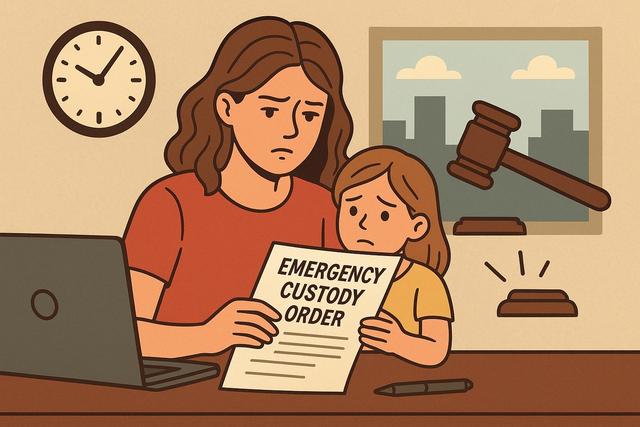
Navigating the process of filing for an emergency custody order can be one of the most stressful experiences a parent faces. Often, situations arise that necessitate swift legal action to ensure the safety and welfare of a child. In this strategic guide, we will walk you through the critical steps to file for an emergency custody order efficiently and effectively, addressing common questions and potential pitfalls along the way.
Understanding Emergency Custody Orders
An emergency custody order is a legal mechanism that allows a parent or guardian to obtain temporary custody of a child rapidly, without the typical waiting period for a court hearing. This type of order is sought in urgent situations such as suspected abuse, neglect, or other circumstances where a child’s immediate safety is at risk.
Real-World Scenarios
Consider a situation where a parent discovers evidence of physical abuse by an ex-partner. In such cases, an emergency custody order can provide the legal protection required to ensure the child stays in a safe environment while the situation is investigated.
Key Characteristics
- Urgency: Non-negotiable immediate action due to risk.
- Temporary: Lasts only until a full court hearing is arranged.
- Evidence-Based: Requires presenting proof of immediate danger.
Steps to File for Emergency Custody
1. Gather Evidence
The effectiveness of your emergency custody petition greatly relies on supporting evidence. Document anything that supports your claim, such as:
- Medical reports
- Police reports
- Witness statements
- Photographs or videos
2. Consult a Family Lawyer
Seeking professional legal guidance is invaluable. A family lawyer can:
- Help organize your evidence
- Prepare necessary legal documents
- Represent your interests effectively
3. Complete Required Forms
Visit your local family court’s website to download the necessary forms for filing. These may include:
- Petition for Emergency Custody
- Verification form
- Notice of Hearing
4. File the Petition
Fill out the forms accurately. Then, submit them to the court clerk. Be prepared to pay a filing fee, though fee waivers may be available if needed.
The Court Hearing Process
Initial Hearing
Upon filing, a judge will review your petition. If the evidence is deemed sufficient, a temporary custody order may be granted. This hearing typically occurs quickly, often within days.
Final Hearing
A comprehensive hearing is scheduled later, where both parties present their case in full. The court will make a more lasting arrangement based on all available evidence.
Common Mistakes and Missteps
Avoid the following pitfalls:
- Incomplete Documentation: Insufficient evidence weakens your case.
- Procrastination: Quick action is essential; delays can jeopardize your chances.
- Ignoring Legal Advice: Working with a lawyer helps avoid technical missteps.
Critical Considerations
The Importance of a Lawyer
While it might be tempting to manage the filing on your own, a lawyer’s expertise can be crucial, especially in presenting compelling evidence and understanding nuanced legal requirements.
Reviewing Outcomes
After the emergency hearing, consistently review the terms to ensure they align with your expectations and future legal strategy. Adjust as necessary with your lawyer.
Emotional and Psychological Support
The process can be emotionally taxing. Prioritize seeking support from counselors or support groups.
FAQs
What qualifies as an emergency situation?
Typically, situations involving immediate physical harm, sexual abuse, or severe neglect would qualify.
Can I modify the order later?
Yes, after the situation is stabilized, parents may return to court to seek adjustments to the custody terms.
Is legal representation mandatory?
No, but it's strongly advised given the complexities involved.
What if the petition is denied?
If denied, gather additional evidence and consult your lawyer for reassessment and possible refiling.
Does an emergency order affect long-term custody?
It can influence later rulings, particularly if allegations are substantiated.
Conclusion
Filing for an emergency custody order is a demanding process that requires precision, evidence, and urgency. Essential steps include accurate documentation, professional legal assistance, and swift court communication. Implement these guidelines with care to protect your child's welfare effectively. Ensure consistent legal consultation to navigate the evolving demands of custody arrangements, addressing the nuances of family law with confidence.

