How to Get Bail Amount Reduced Quickly and Legally
- 07/26/2026 05:16am
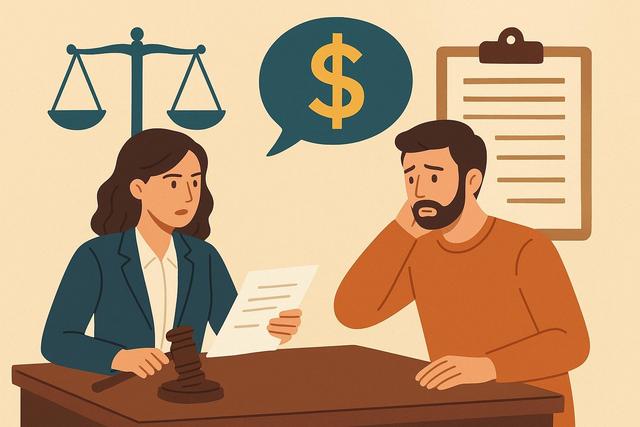
Getting bail reduced can be a pressing necessity when you or a loved one is facing criminal charges. With high bail amounts often posing significant financial burdens, understanding how to navigate the legal system to seek a reduction becomes crucial. This guide will walk you through effective strategies to achieve a bail reduction legally and swiftly, ensuring that you are well-informed and prepared.
Understanding Bail: Purpose and Challenges
Bail serves as a financial guarantee to ensure that a defendant returns for trial. The amount is set based on several factors, including the severity of the alleged crime, the defendant’s criminal history, and risk factors like flight risk. However, high bail amounts can be challenging to cover, leaving defendants and their families in difficult situations.
The Role of Bail in the Justice System
Bail is designed to balance the presumption of innocence with public safety concerns. It is not meant to be punitive. However, disparities can arise, leading to unnecessarily high amounts for some defendants. Understanding this purpose can help frame your arguments when seeking reduction.
Common Challenges with High Bail Amounts
Defendants with limited financial resources face longer stays in custody, affecting their employment and personal lives significantly. Moreover, navigating the legal process without adequate knowledge could prolong the detention and complicate the overall defense strategy.
Legal Strategies to Get Bail Reduced
Understanding and applying the right legal strategies is key to achieving a reduction in bail.
Requesting a Bail Hearing
A bail hearing is a primary avenue to argue for a reduction. During this process, an attorney presents arguments and evidence to persuade the court. Factors such as lack of prior criminal record, strong community ties, and steady employment can support your case.
Preparing for the Bail Hearing
Preparation involves gathering documents and testimonies that highlight the defendant's reliability and ties to the community. Your attorney can present character references, proof of employment, and any relevant evidence that mitigates perceived risks.
Filing a Petition for Bail Reduction
In jurisdictions where immediate hearings aren't feasible, filing a formal petition may be necessary. This document outlines why the bail is disproportionately high and presents evidence supporting a lower amount. It is crucial to collaborate with your attorney to ensure accuracy and comprehensiveness.
Working with a Criminal Defense Attorney
Engaging a skilled criminal defense attorney can significantly increase the chances of bail reduction.
Importance of Legal Representation
A seasoned attorney understands the intricacies of the law and can navigate the judicial process efficiently. They can formulate strong arguments, identify procedural errors, and negotiate with the prosecution to advocate for reduced bail.
Choosing the Right Attorney
Select an attorney with experience in the relevant jurisdiction and a track record of successful bail reduction cases. Ask for references and review past case outcomes. Remember, a proactive attorney can make a substantial difference in the final decision.
Alternative Strategies to Consider
When direct reduction is not feasible, alternative strategies can provide relief.
Bail Bonds and Surety Bonds
If unable to pay the full bail amount, using a bail bond can be an option. Bail bonds involve paying a fraction (usually 10%) plus fees to a bond agent who covers the full amount. However, if bail is set too high, even this route may not be sustainable without reduction.
Pretrial Release Programs
Some jurisdictions offer pretrial release programs as alternatives to monetary bail. These programs allow defendants to be released under supervision, often involving check-ins or electronic monitoring. Inquire with your attorney whether such options are available and favorable for your case.
Mistakes and Misconceptions About Bail Reductions
Being aware of common mistakes and misconceptions can prevent setbacks in your efforts.
Common Missteps
- Overlooking Court Protocols: Mishandling the petition process or failing to meet deadlines can lead to automatic denials.
- Inadequate Representation: Attempting to self-represent without legal expertise typically reduces the odds of success.
- Ignoring Alternative Options: Neglecting to explore all avenues, such as surety bonds or pretrial programs, can limit your chances.
Misunderstandings About Bail
It's crucial to remember that bail amounts are not fines or indicators of guilt. Proper representation can sometimes argue these points effectively in your favor.
Conclusion: Key Takeaways and Implementation Steps
Successfully reducing bail requires understanding the legal landscape, enlisting professional guidance, and exploring all available avenues.
Actionable Steps:
- Hire an Experienced Criminal Defense Attorney: They can guide you through the complexities and increase your chances of success.
- Prepare Thoroughly for Your Bail Hearing: Compile all necessary documents, from employment proof to character references.
- Consider Alternative Solutions: Evaluate the feasibility and availability of bail bonds and pretrial release programs.
- Understand and Avoid Common Mistakes: Ensure adherence to court protocols and explore all strategic options.
By following these steps and insights, you can effectively work towards a reduced bail amount, facilitating a smoother legal process under the circumstances.

