How to Prepare for a Criminal Court Hearing
- 08/04/2026 05:16am
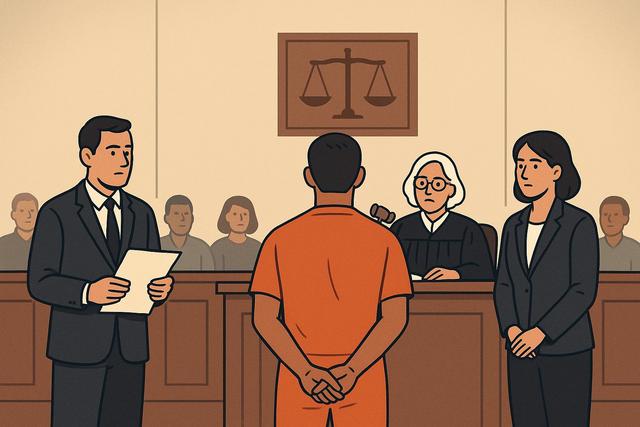
Facing a criminal court hearing can be daunting, but adequate preparation can significantly impact its outcome. Understanding the procedure, gathering evidence, and preparing mentally are essential steps to ensure you represent your interests effectively. This guide will walk you through everything you need to know to prepare for a criminal court hearing.
Understanding the Criminal Court Process
Preparing for a criminal court hearing begins with understanding the process. The court proceedings involve several stages, including arraignment, pre-trial motions, and the trial itself.
Arraignment
The arraignment is the initial hearing where charges are read, and the defendant enters a plea. This stage sets the tone for the subsequent proceedings. It's crucial to have legal representation to navigate this process, as decisions made here impact the entire case.
Pre-trial Motions
These motions can include requests to dismiss charges, suppress evidence, or change the trial venue. A seasoned attorney can guide you in filing relevant motions to improve your chances.
The Trial
Understanding the trial's structure is key: opening statements, witness testimonies, cross-examinations, and closing arguments. Each phase requires strategic planning.
Gathering and Examining Evidence
Evidence forms the backbone of any defense strategy.
Types of Evidence
- Physical Evidence: Tangible items like weapons, clothing, or documents.
- Testimonial Evidence: Statements from witnesses or the defendant.
- Digital Evidence: Emails, text messages, or other electronic records.
Strategic Collection
Ensure all evidence is legally obtained to be admissible in court. Collaborate with your lawyer to identify crucial evidence that supports your case, considering confidentiality and the chain of custody.
Seeking Legal Representation
Engaging a competent attorney is non-negotiable in criminal cases. They offer invaluable expertise and strategic counsel.
Choosing the Right Lawyer
Factors to consider include specialization in criminal law, experience in similar cases, and a track record of successful defense outcomes. Personal consultations can help gauge compatibility.
Collaborating with Your Lawyer
Clear communication is crucial. Provide your lawyer with all details, no matter how trivial they might seem. Discuss possible defense strategies, such as negotiating plea deals, exploring alternative sentences, or preparing for trial.
Preparing for the Hearing
Mental and physical preparation can make a significant difference on the day of the hearing.
Courtroom Etiquette
Understanding courtroom protocols, such as addressing the judge appropriately and maintaining decorum, is important. Dress conservatively to reflect respect for the court.
Mental Preparation
Remain composed and focused. Practice responses to potential questions, especially during cross-examinations. Confidence can influence perception, so rehearse with your lawyer.
Common Mistakes and Risks
Awareness of potential pitfalls can prevent costly errors.
Overconfidence or Complacency
Underestimating the prosecution or over-relying on a plea deal can be detrimental. A well-prepared defense is crucial irrespective of plea prospects.
Mishandling Evidence
Losing evidence or failing to authenticate it can weaken your case. Ensure all documents are well-organized and submitted by deadlines.
FAQs
What Should I Do If I Can't Afford a Lawyer?
Public defenders are available for those who cannot afford private attorneys. While they manage multiple cases, they provide essential legal support.
How Long Does a Criminal Court Case Take?
The duration varies per case complexity and the court system. It can range from a few months to over a year.
Can I Represent Myself?
Self-representation is risky in criminal cases due to the complexity of the law. Legal expertise is crucial for a fair defense.
Conclusion
Preparation for a criminal court hearing involves understanding the legal process, gathering supporting evidence, and sound legal representation. The journey may be daunting, but thorough preparation and a collaborative relationship with your attorney are pivotal. Stay engaged in every step, understand the potential difficulties, and proceed with informed confidence.

