How to Secure a Public Defender: Your Comprehensive Guide
- 07/28/2026 05:16am
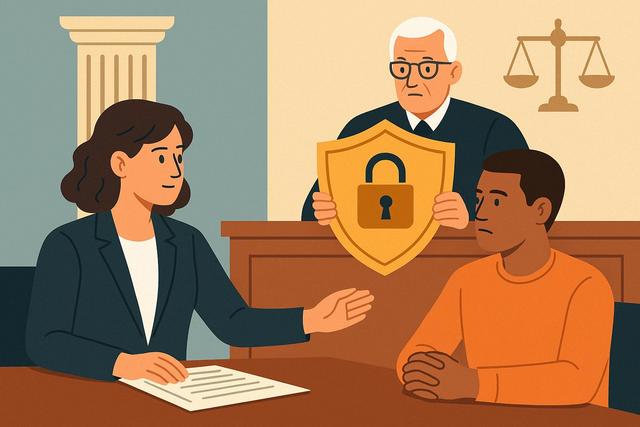
Navigating the complexities of the legal system without professional help can be challenging, especially when facing criminal charges. For individuals who cannot afford private legal representation, a public defender offers a vital lifeline. This guide will walk you through the process of obtaining a public defender, ensuring you understand your rights and options every step of the way.
Understanding the Role of a Public Defender
A public defender is a lawyer appointed by the court to represent defendants who cannot afford to hire private counsel. Public defenders are crucial in ensuring that everyone has access to fair legal representation, as guaranteed by the Sixth Amendment of the U.S. Constitution.
Responsibilities of a Public Defender
- Representation in Court: Public defenders represent clients at various stages of the legal process, including arraignment, hearings, and trials.
- Legal Advice: They provide strategic advice on how to plead and what defense strategies might work best.
- Access to Resources: Public defenders often have access to investigators and experts who can help strengthen a case.
However, a common misconception is that public defenders are less capable than private attorneys. In reality, many are highly experienced lawyers committed to defending their clients zealously.
Eligibility Criteria for a Public Defender
To qualify for a public defender, you must demonstrate financial incapacity to afford a private attorney. Here's how eligibility is typically assessed:
- Income Verification: You'll likely need to provide proof of income, such as pay stubs or tax returns.
- Assets Evaluation: Courts may consider your assets, including property and savings, to determine your ability to pay for defense.
Disputed eligibility can often be resolved with additional documentation or by filing an affidavit of indigence, clearly explaining your financial situation.
Steps to Secure a Public Defender
The process of securing a public defender involves several important steps:
- Request a Public Defender at Arraignment: At your first court appearance, inform the judge of your need for a public defender.
- Complete Financial Assessment: Be prepared to fill out paperwork detailing your financial status.
- Await Confirmation: The court will review your application and either appoint a public defender or require additional documentation.
Common Mistakes to Avoid
- Incomplete Financial Documentation: Always ensure that your financial documents are comprehensive to avoid delays.
- Late Requests: Promptly request a public defender to avoid being unrepresented in initial proceedings.
Advantages and Limitations of Public Defenders
While securing a public defender ensures legal representation, it's important to understand both the advantages and limitations:
Advantages:
- Cost-Free Representation: Public defenders offer their services without charge for eligible individuals.
- Experienced Defense: Many public defenders have years of relevant experience in criminal law.
Limitations:
- High Workload: Public defenders often handle large caseloads, which might mean less time dedicated to an individual case.
- Limited Resources: Sometimes, budget constraints can restrict access to certain legal resources or experts.
Frequently Asked Questions
Q1: How long does it take to get a public defender?
The timeline can vary, but typically a decision is made shortly after your initial court appearance, provided all necessary documentation is submitted.
Q2: Can I change my public defender if I'm dissatisfied?
It is possible to request a different public defender, but you must demonstrate sufficient cause for the change, such as a conflict of interest or inadequate representation.
Q3: What happens if I'm found ineligible for a public defender?
If deemed ineligible, you may need to consider other options, such as seeking pro bono services or a payment arrangement with a private attorney.
Conclusion and Implementation Steps
Securing a public defender involves understanding the eligibility criteria, promptly making your request, and providing accurate financial documentation. For eligible individuals, public defenders offer invaluable support, ensuring access to legal defense without the financial burden of hiring private counsel.
To maximize the effectiveness of your defense, maintain open communication with your public defender and be proactive in gathering any evidence or documents that might support your case. Always address any concerns with your representation early to ensure you're receiving the best possible defense.

