How to Store a Will Safely: A Comprehensive Guide
- 08/09/2026 05:16am
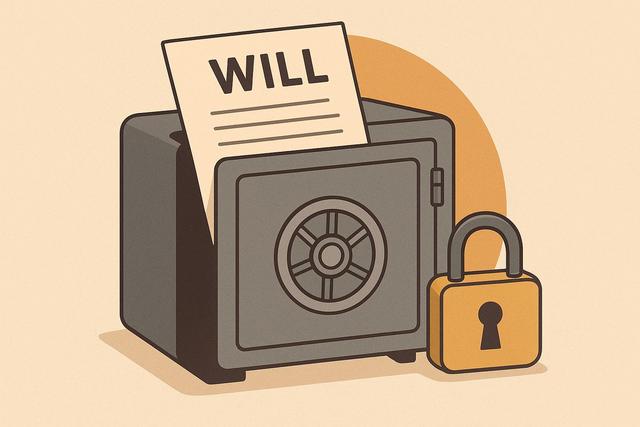
Securing a will is crucial to ensure that your last wishes are carried out without complications. Properly storing a will means safeguarding not only a piece of paper but the cornerstone of your estate planning efforts. In this guide, we delve into practical strategies and insights on how to store a will safely, addressing common pitfalls and presenting actionable solutions.
Understanding the Importance of Will Storage
Storing a will safely isn't just a matter of adhering to formalities; it's an essential aspect of estate planning. Without proper storage, even a meticulously drafted will can become useless if it's lost or damaged. The primary intent of safe storage is to protect against unauthorized alterations and ensure that it's easily accessible when needed.
Example Scenario
Imagine a scenario where an individual’s will is accidentally thrown out during a move because it was tucked inside an inconspicuous folder. This illustrates how poor storage choices can lead to loss and serious legal disputes among heirs.
Choosing the Right Location to Store a Will
Selecting an appropriate location involves balancing accessibility with security. Here, we break down several common storage options to help you make an informed choice.
Storing a Will at Home
Home storage is convenient and cost-effective. However, it exposes the will to risks like theft, fire, and accidental destruction. If you choose home storage, consider fireproof and waterproof safes. It's also wise to inform a trusted person of its location.
Risks of Home Storage
- Vulnerability to natural disasters.
- Potential for unauthorized access.
Professionals: Attorney's Office
An attorney’s office is a secure location where the will can be filed with other legal documents. This option often assures safety from unauthorized access and misplacement.
Benefits
- Secure and professional environment.
- Lawyers can verify the document's authenticity when needed.
Financial Institutions: Safe Deposit Boxes
While safe deposit boxes offer high security from theft and natural disasters, accessing them after death can be complex.
Critical Considerations
- Ensure the executor has access to the box or knowledge of its location.
- Know the bank’s policy on access after death, as some jurisdictions may seal boxes upon the owner's death.
Incorporating Technology: Digital Will Storage
With advancements in technology, digital solutions for storing a will are emerging. These offer convenience but require thoughtful consideration of privacy and security.
Digital Storage Services
Several platforms now provide digital storage, ensuring easy access and sharing among authorized individuals. When choosing digital solutions, ensure that the service offers robust encryption and security measures.
Drawbacks of Digital Storage
- Risk of cyber-attacks or data breaches.
- Dependence on the service provider’s longevity and operational stability.
Common Mistakes and Missteps in Storing a Will
Despite best intentions, certain errors can jeopardize will storage.
Missteps to Avoid
- Not informing a trusted individual about the will's location.
- Storing a will without a backup copy.
- Relying on one method without considering various risks.
FAQs
Where should I store my will?
It's best to store your will in a place that ensures both accessibility and security. Consider attorney offices, safe deposit boxes, or encrypted digital services.
Can a will be handwritten and stored at home?
While a handwritten will can be legal, its validity and safety can depend on jurisdiction-specific requirements. Always consult with a legal professional.
What happens if a will is lost?
If a will is lost, courts may assume it was intentionally destroyed unless proven otherwise. Creating a backup and informing a trusted person of its location can mitigate this risk.
Conclusion: Steps to Secure Will Storage
Securing your will is not just about choosing a storage method; it's about creating a system that ensures its readability and authenticity at the time of probate. Consider the following steps for optimal will storage:
- Evaluate storage options considering security, access, and cost.
- Discuss the chosen method with the executor or trusted individuals.
- Regularly review your will storage plan to accommodate any life changes or legal updates.
By following these guidelines, you protect your final wishes and alleviate potential legal hurdles for your heirs.

