Navigating Minor Injury Claim Settlements: A Comprehensive Guide
- 08/22/2026 05:16am
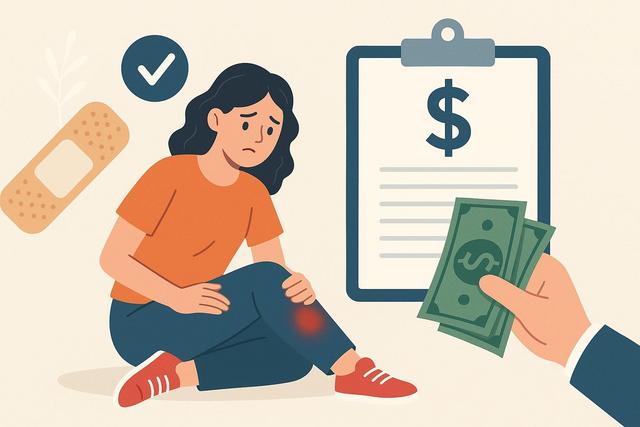
When accidents happen, even minor injuries can disrupt daily life. Understanding how to navigate minor injury claim settlements is crucial for securing the compensation you deserve. This guide will walk you through the intricacies of minor injury claims, helping you piece together the information needed to approach settlements with confidence.
Understanding Minor Injury Claims
Minor injury claims arise when individuals suffer relatively small injuries, often resulting from car accidents, slips, or workplace incidents. The primary goal is to recover costs associated with medical treatment, lost earnings, and sometimes, emotional distress. While 'minor' might imply slight harm, it is crucial to treat these claims with seriousness to ensure fair compensation.
Real-world examples include whiplash from a minor car collision or a sprain due to slipping on a wet floor. Despite their severity, these injuries still require medical attention and may lead to missed workdays, thus valid grounds for a claim.
Key Elements in Minor Injury Claims
Several elements determine the outcome of a claim:
- Medical Reports: Document initial diagnosis and any treatment plans.
- Loss of Earnings: Calculate any time taken off work due to injuries.
- Emotional Distress: While less quantifiable, this can be accounted for in settlements.
Average Settlement Amounts
The settlement amounts for minor injuries can vary. According to past legal cases, minor claims often settle between $3,000 to $15,000. However, this depends significantly on individual circumstances and jurisdiction.
Factors Influencing Settlement Amounts
- Severity and Impact: More severe injuries typically lead to higher settlements.
- Costs Incurred: Medical bills and lost wages add to the total compensation.
- Insurance Policy Limits: Some policies cap the amount payable.
Strategic Guide to Navigate Settlements
To maximize settlement amounts, consider these strategies:
- Documentation is Key: Thorough records of medical visits, expenses, and missed workdays provide a solid case foundation.
- Understand Policy Details: Review insurance and legal documents to know the coverage scope.
- Negotiation Tactics: Always engage with an insurer with solid data backing your claims.
- Seek Legal Advice: Legal professionals can offer insights and negotiation leverage.
Real World Case Study
Consider a typical slip-and-fall case. Jane, a retail employee, slipped on a wet floor due to no signage. Suffering a sprained ankle, her documentation included immediate medical reports and income statements showing missed workdays. Her final settlement was $10,000, based primarily on clear documentation and legal counsel negotiation.
Mistakes to Avoid
- Incomplete Documentation: Failing to adequately document medical treatments can weaken your claim.
- Immediate Settlements: Quick offers from insurers may undervalue claims—review these carefully.
- Ignoring Legal Counsel: Lawyers specialized in personal injury can identify overlooked compensation aspects.
Frequently Asked Questions
What is the typical timeframe for a settlement?
Usually, minor injury claims settle in a few months, but complex cases might extend over a year.
Can emotional distress be claimed?
Yes, it can, especially if the injury leads to significant life disruptions.
Do I need a lawyer for a minor injury claim?
While not always necessary, a lawyer ensures you receive the best possible compensation.
Conclusion
Minor injury claim settlements require a strategic and informed approach to ensure fair compensation. By understanding the process, documenting meticulously, and remaining informed, you can navigate settlements effectively. If faced with a minor injury, begin by gathering evidence, considering legal guidance, and communicating transparently with insurers. This proactive approach maximizes settlement outcomes and facilitates a smoother recovery journey.

