Understanding Intellectual Property for Small Businesses
- 08/17/2026 05:16am
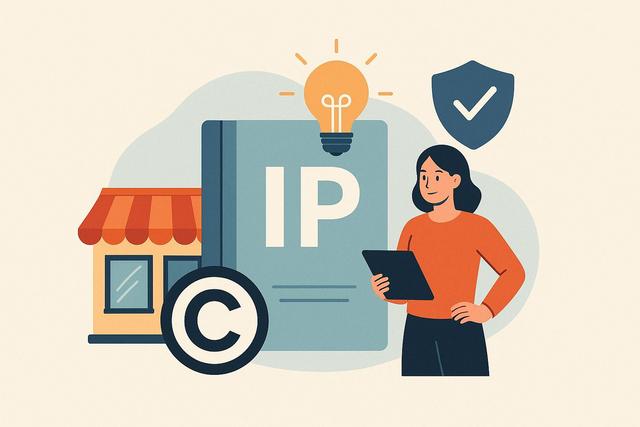
Safeguarding intellectual property (IP) is critical for small businesses looking to protect their innovations and ideas. This guide helps you understand the essentials of IP and how it applies to your business.
What is Intellectual Property?
Intellectual Property (IP) refers to creations of the mind, ranging from inventions and brands to designs and software. For small businesses, IP can represent a significant portion of their competitive advantage. By ensuring IP protection, a business secures exclusive rights to its creations, preventing competitors from exploiting them without consent.
Types of Intellectual Property
There are four primary types of IP protection:
- Patents: Protect inventions and processes, giving the inventor exclusive rights for a certain period.
- Trademarks: Safeguard symbols, names, and slogans used to identify goods or services.
- Copyrights: Cover the protection of literary and artistic works.
- Trade Secrets: Include confidential business information that provides a competitive edge.
Understanding which type of IP protection applies to your creations is crucial in developing a robust IP strategy.
Why IP is Important for Small Businesses
Having intellectual property rights allows small businesses to:
- Prevent Others from Copying: Protect your brand and products from being replicated by competitors.
- Monetize Creations: Generate revenue through licensing or selling IP rights.
- Enhance Business Value: Increase overall business value, attracting investors and potential buyers.
- Facilitate Market Entry: Ensure exclusivity in new markets, safeguarding against competition.
Real-World Example
Consider a small tech start-up that has developed a unique software solution. By obtaining a patent, they can prevent larger technology firms from using their algorithm, thus maintaining a competitive advantage.
Steps to Protect Your Intellectual Property
Here's a strategic guide for small business owners to protect their IP:
- Identify Your Assets: Determine what intangible assets could be protected as IP.
- Conduct an IP Audit: Regularly review your business operations to identify potential IP.
- Register Your IP: Register copyrights, trademarks, and patents with the appropriate authorities like the United States Patent and Trademark Office (USPTO).
- Secure Trade Secrets: Implement non-disclosure agreements (NDAs) and strong workplace policies.
- Regularly Monitor: Keep track of your IP rights and look out for potential infringements.
Common Mistakes and Risks
Failing to adequately protect IP can lead to financial losses and erosion of market advantage. Avoid these pitfalls:
- Ignoring International IP Protection: If planning to enter global markets, ensure international IP registration.
- Overlooking Online Infringements: Regularly search for unauthorized use of trademarks and copyrighted materials online.
- Incomplete Registrations: Ensure that the IP registration covers all necessary aspects and jurisdictions.
Licensing and Commercialization
Once your IP is protected, consider different monetization routes:
- Licensing Agreements: Permit third parties to use your IP in exchange for royalties. For instance, a software company can license its code to a larger tech firm.
- Franchising: Capitalize on your business model and brand through franchising when trademarks are well-protected.
Understanding Licensing Agreements
Licensing agreements should clearly define usage rights, territorial constraints, and duration of rights. Consult with legal experts specializing in IP law to avoid ambiguity.
Common Questions about Intellectual Property
What are the costs involved in IP Registration?
Costs vary depending on the type of IP and jurisdiction. Patent and trademark applications in the U.S., for example, can range from a few hundred to several thousand dollars.
Can small businesses handle IP protection without a lawyer?
While small businesses might manage basic IP tasks, engaging an IP attorney can prevent costly errors and ensure comprehensive protection.
How long does IP protection last?
Duration varies by type: patents typically last 20 years, while copyrights have a lifespan of the author’s life plus 70 years. Trademarks can be renewed indefinitely.
Conclusion
Intellectual property is a linchpin of competitiveness for small businesses. By understanding and applying IP fundamentals, business owners can protect their innovations and enhance their market position. Begin by assessing your existing IP, understand the protection mechanisms available, and don't hesitate to consult with IP professionals. By doing so, you're taking strategic steps to protect your business and its future prospects.

