How to File for Legal Guardianship of a Minor
- 09/26/2025 09:17am
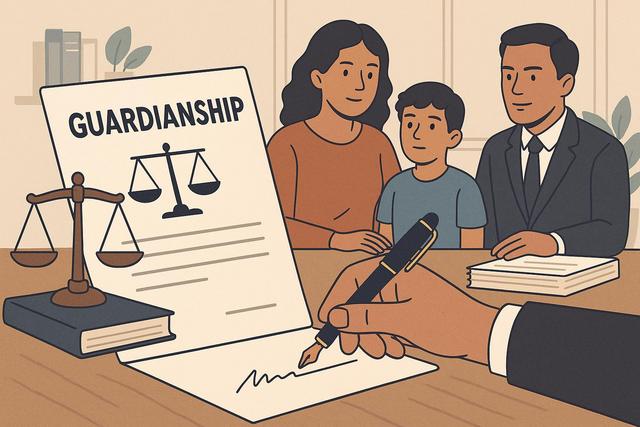
Navigating the legal process to secure guardianship of a minor can be overwhelming. Understanding the steps, legal requirements, and documentation involved is essential to safeguard a child's welfare effectively. This guide provides a comprehensive overview of filing for legal guardianship, ensuring you are equipped with the knowledge to make informed decisions.
Understanding Legal Guardianship
Legal guardianship involves the court granting an individual the right to make decisions on behalf of a minor who is not the individual’s biological child. The guardian assumes the responsibilities of caring for the child and managing their affairs. It's different from adoption, as it does not terminate the biological parents’ rights.
Types of Guardianship
There are various types of guardianship, including temporary, which addresses immediate needs, and permanent, which provides long-term solutions. Knowing the appropriate type is crucial for addressing the specific needs of the child.
Steps to File for Legal Guardianship
1. Understand the Legal Requirements
Each state has different laws regarding guardianship; familiarize yourself with your state’s specific requirements by visiting state child welfare services.
2. Secure Necessary Documentation
Prepare essential documents such as the child’s birth certificate, your financial information, and any existing custody orders. These documents will be vital during the court process.
3. File a Petition in Family Court
Submit a formal petition in the family court where the child resides. This usually includes filing specific forms that detail your relationship to the child, reasons for seeking guardianship, and any supporting evidence.
4. Notify Parents or Current Custodians
Inform the child’s biological parents or current custodians about the guardianship proceedings, as they generally have a legal right to contest your petition.
The Legal Process
Attending Court Hearings
Once you file a petition, the court schedules a hearing to evaluate your request. During the hearing, prepare to explain your intentions and capability to care for the child.
Understanding Evaluations and Home Visits
Courts may require an evaluation of your home environment and your ability to provide for the child's physical and emotional needs. Engaging with your state's child protection agency might be necessary for these assessments.
Legal Guardian Responsibilities
Guardians assume significant duties, including providing basic needs, overseeing the child’s education, and making medical decisions. Visit Child Welfare Information Gateway for a comprehensive overview of these responsibilities.
Conclusion and Next Steps
Successfully filing for legal guardianship involves understanding specific legal frameworks, gathering documentation, and attending court proceedings. Ensuring a child’s stability and knowing your responsibilities as a guardian can transform both your life and theirs. As a guardian, you are not just acquiring a new title but dedicating yourself to nurturing a child’s future.

