How to Write a Will Without Mistakes: A Strategic Guide
- 05/13/2026 05:16am
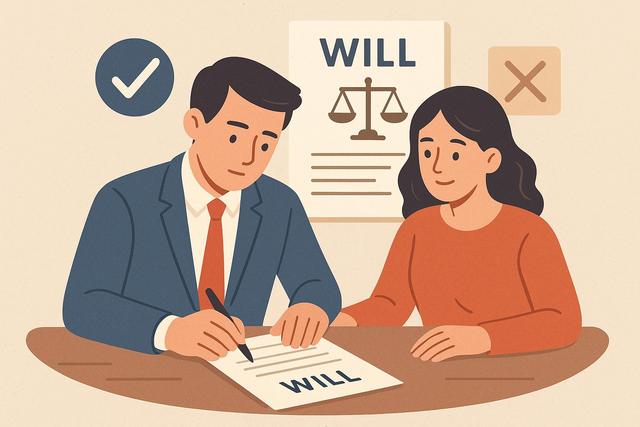
Writing a will is crucial for safeguarding your estate and ensuring your wishes are honored after your demise. However, common mistakes can render a will invalid or contentious, leading to disputes and financial burdens on your loved ones. This guide provides a comprehensive and strategic approach to writing a will correctly. You'll learn about legal considerations, real-world examples, and actionable insights to ensure your will is airtight.
Understanding Legal Requirements
Creating a legally valid will is the first step in estate planning. Legal requirements vary by jurisdiction, so understanding these is crucial.
Basic Legal Framework
In the United States, the legal age to draft a will is 18. An individual must also possess the testamentary capacity, meaning they understand the extent of their assets and the significance of a will.
- Witness Requirements: Typically, two witnesses must attest to the signing of a will. These witnesses shouldn't be beneficiaries to ensure impartiality.
- Signature and Date: Ensure the testator's signature is present, along with the date. This helps verify the will's validity, especially if multiple wills exist.
Real-World Examples
Consider the case of Aretha Franklin. Disputes arose due to uncertainty about the veracity of her handwritten wills. It demonstrated the complicated issues that can occur when formal requirements are not met.
Identifying and Listing Assets
A will must accurately reflect your estate to be legally viable. This includes all tangible and intangible assets.
Categories of Assets
- Tangible Assets: Such as real estate, vehicles, and jewelry.
- Intangible Assets: Includes stocks, bonds, and intellectual property.
- Digital Assets: Ensure digital assets, passwords, and online accounts are listed. With the rising importance of digital wealth, failing to include these can complicate asset distribution.
Data Insights
According to a 2023 survey by LegalZoom, around 63% of Americans have digital assets, yet only 23% include these in their wills, highlighting a significant gap in estate planning.
Choosing the Right Executor
The executor plays a crucial role in carrying out your wishes. Selecting the wrong executor can lead to delays and conflicts in probate.
Responsibilities of an Executor
- Asset Collection and Distribution: The executor is responsible for gathering assets and ensuring they are distributed according to the will.
- Debt Settlement: The executor must also settle outstanding debts before distribution.
Strategic Considerations
- Skills and Trustworthiness: Choose someone who is organized, trustworthy, and competent. Ideally, they should have some knowledge of financial matters.
- Alternatives: Have a secondary executor in case the primary is unable or unwilling to serve.
Avoiding Common Mistakes
Many potential pitfalls can invalidate a will or cause unnecessary disputes.
Common Errors
- Omissions: Failing to update the will after major life events such as marriage, divorce, or the birth of a child.
- Ambiguities: Vague language can lead to court disputes. Clarity is crucial, especially when dealing with significant assets.
Case Study: Jimi Hendrix
The legendary musician died without a will, resulting in a long-lasting legal battle over his estate. This illustrates the critical need for clear and precise documentation.
Ensuring the Will Reflects True Intent
Your will should reflect your current wishes and accommodate your evolving estate.
Regular Updates
Revisiting your will every three to five years can ensure it remains applicable. Significant life events should also prompt a reassessment.
- Legal Consultation: Seek advice from estate planners or attorneys to ensure compliance with new laws or financial situations.
Technological Tools
Leveraging platforms like Trust & Will or Nolo can aid in drafting an initial will. However, always seek professional legal advice to finalize the document.
Keeping Your Will Secure
Once drafted, your will needs to be stored securely.
Storage Options
- Fireproof Safe: An accessible yet secure option for storing original documents at home.
- Attorney's Office: Storing a will with your attorney can ensure it remains protected and is easily retrievable when needed.
Notifying Beneficiaries
Discuss your will with family members to reduce the chance of disputes after your passing.
Communication Strategies
- Family Meetings: Explain your decisions to your family in a calm and supportive environment.
- Document Shared Intentions: Consider writing a letter of intent to accompany your will, explaining more personal reasons behind your decisions.
Conclusion
Writing a will is a crucial step in estate planning that requires careful thought and strategic planning. By ensuring compliance with legal standards, accurate asset listing, prudent executor choices, and clarity of intent, you can create a will that honors your legacy and protects your beneficiaries. Regularly revisiting your will and maintaining open family communication are key to avoiding disputes and ensuring your wishes are respected. To implement these strategies, consider consulting a professional to tailor your will to your specific circumstances and ensure its legal validity.

