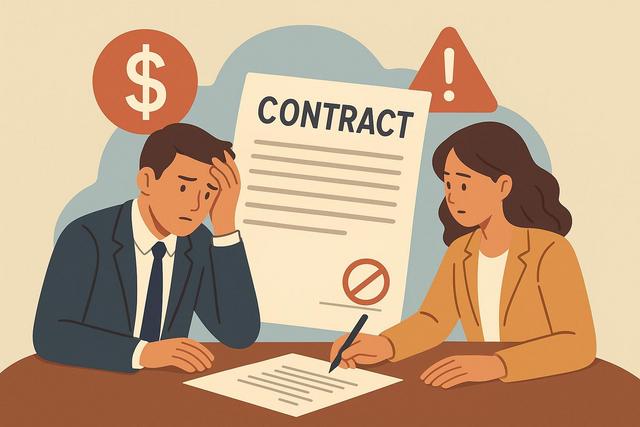
In the intricate world of business operations, contracts play a fundamental role in ensuring smooth transactions and defining mutual agreements. However, overlooking key details or mismanaging contractual relationships can lead to significant financial losses or disputes. Understanding common pitfalls and implementing best practices is essential for safeguarding your business assets.
Inadequate Contract Drafting
A properly drafted contract is the foundation of a successful business relationship. Errors in the drafting stage can have long-term financial repercussions.
Importance of Clear Language
Contracts should be written in clear and unambiguous language to prevent misunderstandings. Legal jargon might seem authoritative but can obscure meanings.
- Example: A major tech company faced a $500,000 lawsuit due to an ambiguous clause interpreted differently by the parties involved.
- Actionable Insight: Employ plain language and define all terms clearly.
Real-World Drafting Errors
Consider the Coca-Cola contract error in 2017, where a miscalculated price formula cost them millions.
- Data Point: Legal disputes over inadequate contracts lead to an average loss of 9% of annual business revenue.
- Strategy: Engage specialized legal consultants for contract drafting.
Lack of Customization in Agreements
Standard contracts might not fit all business situations, leading to potential financial risks.
Generic Templates vs. Tailored Contracts
Using generic templates can miss industry-specific requirements, creating loopholes.
- Example: A boutique retail store lost inventory due to a generic supplier agreement not covering consignment terms.
- Actionable Insight: Tailor contracts to specific transaction needs to avoid costly oversights.
Sector-Specific Needs
Different industries require unique clauses to protect interests.
- Table:
Industry Specific Need Example Clause Technology Intellectual property IP Ownership Healthcare Data protection compliance HIPAA Clauses
Failure to Review Contract Terms
Neglecting regular reviews of contract terms can cost businesses dramatically.
Importance of Regular Audits
Contract audits can uncover outdated clauses or unfair terms.
- Example: A logistics firm discovered unnecessary penalties in a contract that cost them $200,000 annually.
- Strategy: Schedule annual contract reviews with your legal team.
Utilizing Technology for Reviews
Software tools can aid in managing and reviewing contracts efficiently.
- Tools: Platforms like DocuSign or Concord offer features to automate contract reviews.
- Insight: Implement contract management systems for ongoing reviews.
Overlooking Change and Renewal Clauses
Many contracts suffer from inadequate handling of change or renewal conditions, leading to unexpected renewals or non-exclusive terms.
Examples of Missed Renewals
A telecom company continued with a less favorable supplier due to automatic renewals not aligned with market rates.
- Data Point: Automatic renewals without negotiation cause 15% higher costs over time.
- Actionable Insight: Set reminders for renewal dates and create renewal strategies.
Change Management Provisions
Embedding clear procedures for amendments can save time and costs.
- Example: An international retailer installed a structured change clause to adapt quickly to foreign tariff changes, saving 20% in costs.
Neglecting Legal Compliance Obligations
Lapses in current legal standards within contracts pose severe risks.
Understanding Regulatory Changes
Laws evolve, and contracts must reflect current standards.
- Strategy: Keep abreast of legislation updates and reflect them promptly in agreements.
Case Study: GDPR Implementation
Post-GDPR, companies with non-compliant data processing clauses faced fines up to €20 million.
- Insight: Regularly update contracts to comply with legal requirements like GDPR.
Conclusion
Avoiding business contract mistakes requires diligence, legal insight, and proactive management. The cost of flawed contracts not only affects your bottom line but also damages business relationships. By customizing contracts, conducting regular reviews, implementing clear renewal processes, and ensuring compliance, businesses can mitigate potential risks and safeguard their financial interests.
Implementation Steps:
- Conduct a comprehensive review of all business contracts currently in use.
- Employ a legal expert to customize contract templates specific to your industry needs.
- Utilize technology platforms for regular audits and compliance checks.
- Set up a notification system for contract renewals and changes.
- Maintain an updated knowledge base on industry-specific regulatory changes.

