Understanding Employment Law: Essential Guide for Employers
- 03/05/2025 10:17am
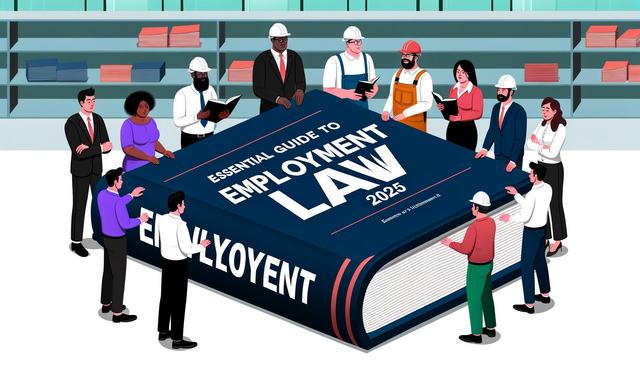
Navigating employment law is crucial for the success of any organization. As we approach 2025, staying compliant with ever-evolving labor laws is not just a legal obligation but a strategic advantage. This comprehensive guide will equip you with the necessary knowledge to manage your workforce effectively while adhering to all relevant regulations.
Introduction to Employment Law
Employment law encompasses a wide range of legal frameworks designed to regulate the relationship between employers and employees. This includes hiring practices, workplace safety, employee rights, and termination procedures. Understanding these laws is essential for minimizing legal risks and fostering a positive workplace environment.
Key Components of Employment Law
1. Hiring and Recruitment
Employers must adhere to fair recruitment practices as stipulated by employment law. This includes non-discrimination based on race, gender, age, or disability according to the Equal Employment Opportunity Commission (EEOC) guidelines.
2. Workplace Safety
The Occupational Safety and Health Administration (OSHA) sets standards to ensure a safe and healthy working environment. Employers are required to comply with all relevant OSHA regulations to prevent workplace injuries and illnesses. Proactive measures, such as regular safety audits and employee training, can help maintain compliance.
3. Wage and Hour Laws
Ensuring fair compensation is a fundamental aspect of employment law. The Fair Labor Standards Act (FLSA) governs minimum wage and overtime pay. Employers must keep accurate records and comply with state-specific wage laws where applicable.
Staying Compliant in 2025
As we progress towards 2025, staying compliant with labor laws requires continuous education and adaptation. Here are some actionable strategies:
- Regular Training: Conduct regular training sessions for HR personnel and management to stay updated with legal changes.
- Consult Legal Experts: Engage with employment law attorneys to ensure your policies align with current regulations.
- Implement Compliance Software: Invest in software solutions for monitoring compliance and maintaining documentation.
Case Studies
Case Study 1: XYZ Corporation
XYZ Corporation faced a lawsuit due to non-compliance with state-specific wage laws. By implementing regular legal audits and updating their payroll systems, they managed to avoid future legal challenges and improved employee satisfaction.
Case Study 2: ABC Enterprises
After facing multiple workplace safety incidents, ABC Enterprises partnered with safety consultants to revamp their safety protocols. This led to a 50% reduction in workplace accidents in just one year.
Conclusion
Understanding and adhering to employment law is a continuous process that can significantly impact the success of your business. By staying informed and proactive, employers can mitigate risks, enhance employee relations, and create a compliant and prosperous workplace. In 2025, make compliance not just a requirement but a cornerstone of your organizational strategy.

