Reasons Insurance Can Deny Your Injury Claim
- 06/10/2026 05:16am
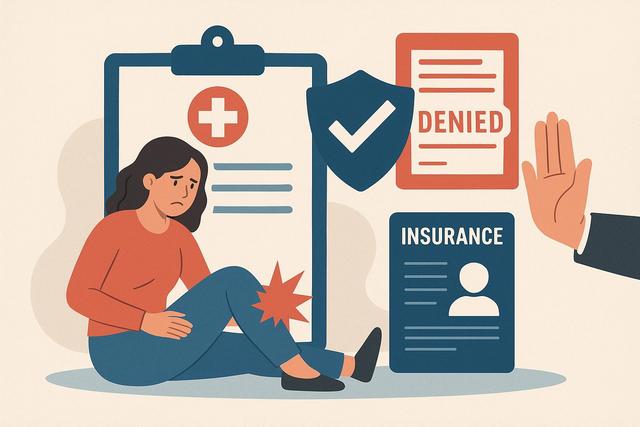
Navigating the intricacies of injury claims can be challenging. Understanding why insurance companies might deny such claims is crucial for protecting your rights and ensuring proper compensation. This guide explores the common reasons for denial and offers strategic insights to help you handle adverse decisions effectively.
Understanding the Basics of Injury Claims
An injury claim is a request for compensation following an accident where one is harmed physically or psychologically. It involves notifying the insurance company of the incident and detailing the losses suffered. Typically, these claims are filed under car insurance, personal injury insurance, or worker’s compensation.
Common Reasons for Denied Injury Claims
Insurance companies can reject injury claims for various reasons. While some may seem straightforward, others can be quite complex.
Lack of Coverage
The first and most obvious reason an insurance claim may be denied is lack of coverage. This occurs when the policyholder submits a claim for an event not included in their insurance policy.
For example, if someone files a claim under their worker's compensation insurance for an incident occurring outside of work hours, the claim is likely to be denied.
Late Filing
Timeliness is crucial in the insurance claim process. Many policies have strict deadlines for filing claims. Failing to notify the insurer within the stipulated timeframe can result in rejection, regardless of the claim's merit.
Insufficient Documentation
Providing comprehensive documentation is critical to the success of an injury claim. This includes medical records, accident reports, and eyewitness accounts. A lack of sufficient documents can lead insurers to deny the claim due to ambiguity or doubt.
Disputes Over Liability
Disagreements about who is at fault can also lead to claim denial. Insurance companies often conduct their investigations and may conclude that their policyholder was not liable for the accident, resulting in denial.
Pre-existing Conditions
An insurance company may deny a claim by attributing the injury to a pre-existing condition rather than the accident. For instance, if someone has a history of back problems and submits a claim following a slip at work, the insurer may argue that the injury was not new.
Strategies to Handle a Denied Claim
Facing a denied claim can be frustrating. However, applying strategic approaches can help change the outcome.
Request a Detailed Explanation
As a first step, ask the insurance company for a detailed rejection letter. This should outline the reasons for denial, which provides a clear starting point for your appeal or further communication.
Collect Additional Evidence
Strengthening your case with additional evidence can be instrumental. Gather more medical opinions, photographic evidence, and witness statements. Supplementary documentation can create a more compelling narrative.
Appeal the Decision
Most insurance companies have an established appeals process. Familiarizing yourself with this process and submitting an appeal quickly can increase your chances of success.
Consider Legal Assistance
While hiring a lawyer adds costs, it might be necessary if your claim involves significant amounts or if you encounter resistance during the appeal. Legal experts can offer guidance based on their vast industry knowledge and experience.
Risks and Common Mistakes in Injury Claims
Avoiding mistakes in the initial filing of your claim can prevent denials.
Ignoring Policy Terms
Understanding the full terms of your insurance policy is crucial. Many claims are denied simply because the claimant was unaware of what their policy covered.
Overlooking Deadlines
Failing to report an injury or accident promptly is a common mistake that results in denial. Always report incidents as soon as they happen.
Underestimating Medical Documentation
Not obtaining proper medical documentation reflecting the extent of the injuries often leads to unfavorable outcomes. Always get complete medical evidence right after the incident.
Frequently Asked Questions
Why is my injury claim denied despite having insurance?
- Claims might be denied due to policy coverage issues, insufficient evidence, or not complying with filing deadlines.
Can I appeal a denied insurance claim?
- Yes, most insurance companies allow appeals. Review their process and strengthen your case with more evidence.
How long do I have to file an injury claim?
- It varies by policy; check your insurance details and state laws as some may require immediate notice post-incident.
Conclusion
Understanding the reasons behind denied injury claims empowers policyholders to take corrective action. Staying informed about policy details, submitting comprehensive documentation, and knowing when to seek legal advice can substantially improve the chances of having a denied claim overturned. Always approach the process vigilantly, and remember that persistence can often yield the results you seek.

