Simple Guide to Child Custody Agreement Templates
- 06/12/2026 05:16am
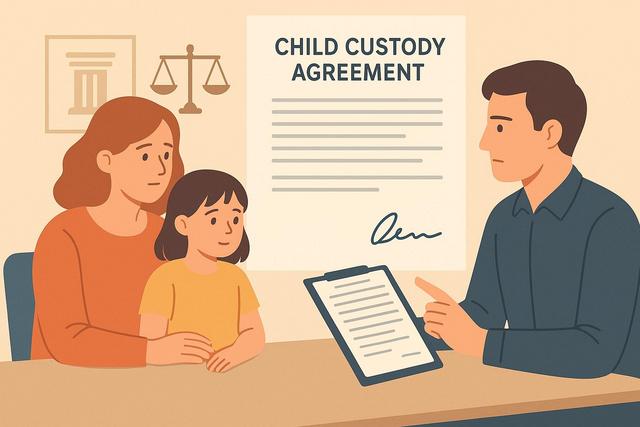
Navigating child custody agreements can be a daunting task for many families. A well-structured child custody agreement template can simplify this process, ensuring clarity and mutual understanding. This guide provides a comprehensive walkthrough to help you create a simple yet effective custody agreement template that serves the best interests of all parties involved.
Understanding Child Custody Agreements
Child custody agreements are legal documents that delineate the terms of custody for children in cases of divorce or separation. These agreements outline the responsibilities and rights of each parent, as well as the specific arrangements regarding the child's residency, education, and overall welfare. Crafting a clear and concise custody agreement is critical.
Important Elements of a Custody Agreement
To create an effective child custody agreement, ensure you include:
- Custodial Arrangements: This section should define whether the custody is sole or joint and detail visitation schedules.
- Decision-Making Responsibilities: Clearly outline who is responsible for making major decisions about the child's life, such as education and healthcare.
- Communication Guidelines: Specify how parents will communicate with each other and the children.
- Dispute Resolution: Include mediation or arbitration steps in case disagreements arise.
Steps to Draft a Simple Child Custody Agreement
Developing a custody agreement can be streamlined into a few strategic steps, fostering clarity and cooperation.
1. Assess Parental Preferences
Start by discussing each parent's scheduling preferences. Understanding these will help design a practical visitation timetable. Consider work schedules, the child's school calendar, and holidays.
2. Prioritize the Child’s Needs
While drafting any agreement, the child's best interests should remain paramount. Factor in the child's age, emotional development, and existing routines to minimize disruption.
3. Use a Template for Structure
Employing a structured template ensures no crucial aspect is overlooked. Websites such as LawDepot provide templates that can serve as a reliable foundation. Customize these templates to suit your family’s unique needs.
4. Legal Review
Before finalizing your document, have it reviewed by a family law attorney. Their expertise can prevent potential legal pitfalls and ensure enforcement.
Real-World Example: The Johnson Family
Consider the Johnson family, where both parents work full-time jobs with overlapping shifts. They chose a template from a recognized legal service and worked together to outline a bi-weekly visitation schedule. By factoring in their work hours and the children's extracurricular calendars, they created a feasible plan meeting legal and personal needs.
Common Mistakes and Risks to Avoid
When crafting custody agreements, avoid common errors that may lead to disputes:
- Ambiguity: Ensure all language in the agreement is clear and precise.
- Ignoring Child's Preferences: Older children may have preferences that should be considered.
- Lack of Flexibility: Be prepared to adjust schedules as circumstances change.
Failure to address these can lead to frustration and conflict, potentially harming familial relationships.
FAQs
1. Can I change my custody agreement after it's signed?
Yes, but modifications generally require court approval unless both parties agree without dispute.
2. How important is it to include a mediation clause?
Including a mediation clause can simplify resolving future conflicts by providing a clear path to negotiation.
3. Do we need a lawyer to draft our agreement?
While not mandatory, a lawyer's insight is invaluable in ensuring the agreement is legally sound and fair.
Conclusion: Crafting an Effective Agreement
Creating a child custody agreement need not be overly complex. By following this guide, you can develop a comprehensive, fair, and flexible custody arrangement that prioritizes your child's well-being. Start by understanding your unique family dynamics, utilize reliable templates for structure, and consult legal professionals for assurance.
Implementation Steps
- Discuss Options: Communicate openly with the other parent.
- Draft the Agreement: Use a template for initial structure.
- Review with Legal Aid: Consult a lawyer.
- Implement and Adapt: Put the agreement into action and remain open to modifications as needed.

