Can Charges Be Dropped Before Court Hearing? A Legal Guide
- 06/05/2026 05:16am
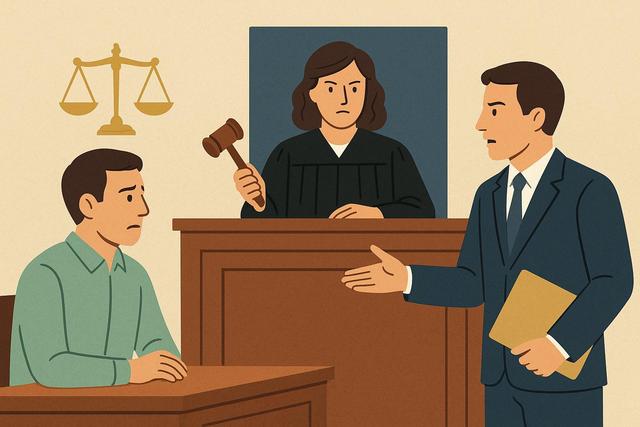
Navigating the justice system is daunting, especially when facing criminal charges. A common query is whether charges can be dropped before a court hearing. Understanding the mechanisms involved can provide clarity and potentially ease the burden of legal proceedings. This guide delves into the possibilities, procedures, and strategies surrounding charge dismissal before appearing in court.
Understanding Charge Dismissal in Criminal Cases
A vital aspect of the criminal justice process is understanding the nature of charges and how they can be addressed. Charges represent formal accusations made by law enforcement or prosecutors against an individual alleged to have committed a crime. However, not all charges proceed to trial or result in conviction.
Legal Grounds for Dropping Charges
Charges can be dropped by the prosecution before a court hearing due to various legal grounds. These include insufficient evidence, new evidence proving innocence, or procedural errors during the investigation. In certain cases, charges are dropped if the alleged victim decides not to pursue the case further.
Who Can Drop Charges?
Primarily, the prosecutor has the authority to drop charges. Their decision hinges on evidence strength, legal merit, and overall public interest. In rarer scenarios, victims can influence proceedings by expressing unwillingness to cooperate, though this does not guarantee charge dismissal.
The Role of the Prosecutor
Prosecutors are pivotal in determining whether charges stand or are dismissed before a court hearing.
Evaluating Evidence
Prosecutors assess evidence critically. Weak or illegally obtained evidence often leads them to consider dismissing charges. Additionally, reliable new evidence presenting reasonable doubt can also prompt dismissals.
Discretion and Ethical Obligations
Prosecutors possess discretion, balancing public interest, justice, and ethical considerations. Misjudgements or ethical breaches can further impact cases, enabling defense attorneys to negotiate charge dismissal.
Strategic Considerations for Defense Attorneys
Defense attorneys play a crucial role in advocating for charge dismissal before a court hearing, leveraging strategic insights.
Gathering Counter-Evidence
Defense teams work to uncover exculpatory or mitigating evidence. For instance, securing alibi testimonies or video evidence can dismantle the prosecution's case, prompting charge reviews.
Negotiation with Prosecutors
Armed with evidence, defense attorneys can negotiate with prosecutors to drop charges. For example, highlighting procedural errors or offering plea deals can result in dismissals without trial.
Common Misconceptions About Dropping Charges
Misunderstandings often permeate discussions about charge dismissal.
Misconception: Victims Can Unilaterally Drop Charges
Victims lack the authority to drop charges independently. While their input matters, ultimate decisions rest with prosecutors.
Misconception: Charges Are Always Dropped with New Evidence
New evidence alone does not guarantee drop. Prosecutors must evaluate admissibility, impact, and relevance within legal frameworks.
Mistakes and Risks Involved
Pursuing charge dismissal involves potential pitfalls.
Procedural Missteps
Neglecting proper procedure when presenting evidence or negotiating can result in missed opportunities for dismissal.
Undermining Prosecutor Relations
Aggressive tactics or unethical conduct can alienate prosecutors, reducing the likelihood of favorable outcomes.
Practical Recommendations
For those facing charges, considering these actionable steps can be beneficial:
- Retain a qualified criminal defense attorney promptly.
- Document and organize all case-related information meticulously.
- Explore alternative dispute resolutions or mediation avenues with legal counsel.
- Remain cooperative and truthful in all legal proceedings and interactions.
FAQs
1. Can charges get reinstated after being dropped?
Charges dismissed without prejudice can be reinstated if new evidence surfaces or procedural errors are corrected.
2. Are dropped charges visible on a background check?
Yes, dropped charges can still appear unless expunged or sealed, depending on jurisdiction.
3. What if I lack funds for an attorney?
You are entitled to a public defender if you cannot afford an attorney. Ensure you communicate all evidential details promptly.
Conclusion
Understanding the intricacies of having charges dropped before a court hearing can significantly influence criminal proceedings. While prosecutors hold substantial sway, defense attorneys and strategic legal maneuvers also play crucial roles. Ultimately, engaging informed and cooperative legal assistance serves as the cornerstone in effectively navigating charge dismissal.
By following structured recommendations and understanding potential pitfalls, individuals can actively participate in their defense process, seeking fair and just outcomes.

