Best Lawyers for Workplace Discrimination Cases
- 12/11/2024 10:15am
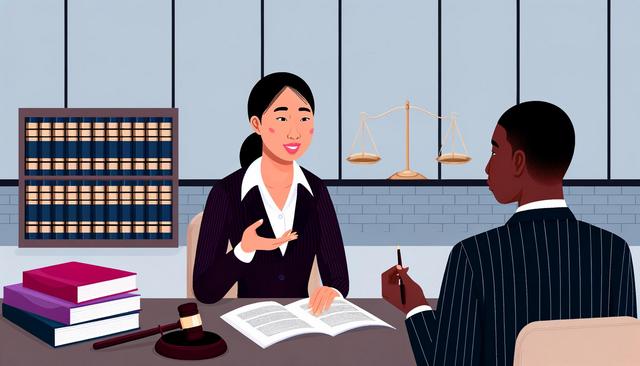
Workplace discrimination is a significant issue affecting countless employees worldwide. Seeking the right legal advice from the best lawyers specializing in employment law is crucial to protecting your rights. In this guide, we will explore how to find the best lawyers for workplace discrimination cases, ensuring you are well-equipped to handle any legal battles.
Understanding Workplace Discrimination
Workplace discrimination occurs when an employee is treated unfairly based on race, gender, age, disability, or other protected characteristics. Understanding your rights under employment law is the first step in combating discrimination.
- Types of Discrimination: This includes but is not limited to racial discrimination, gender discrimination, age discrimination, and disability discrimination.
- Legal Protections: Laws such as the Civil Rights Act, Americans with Disabilities Act, and Age Discrimination in Employment Act protect employees from unfair treatment. EEOC is a valuable resource for understanding these laws.
Why You Need a Lawyer for Discrimination Cases
Navigating discrimination claims can be complex. A knowledgeable lawyer can:
- Provide expert legal advice and representation in court.
- Help collect and organize evidence to support your case.
- Negotiate settlements or pursue litigation on your behalf.
By leveraging a skilled attorney's expertise, you stand a better chance of achieving a favorable outcome.
How to Find the Best Lawyers for Workplace Discrimination Cases
Finding the right lawyer involves more than just searching online. Consider the following steps:
1. Research and Recommendations
Start by researching online and asking for recommendations from trusted colleagues or friends. Websites like Avvo and FindLaw offer lawyer directories and reviews.
2. Experience and Specialization
Look for lawyers who specialize in employment law and have extensive experience handling discrimination cases.
3. Credentials and Track Record
Check the lawyer's credentials, including their education, bar association memberships, and past case successes.
4. Consultations and Fees
Many lawyers offer free initial consultations. Use this opportunity to discuss your case and understand their fee structure. Some might work on a contingency fee basis, meaning they only get paid if you win.
5. Reputation and Communication
Read testimonials and reviews to gauge the lawyer’s reputation. Choose someone who communicates effectively and empathetically.
What to Expect During the Legal Process
Once you have selected the best lawyer for your workplace discrimination case, you can expect:
- Case Assessment: Your lawyer will review your claim and advise on its merits.
- Filing Complaints: Legal documents will be prepared and filed with the appropriate bodies.
- Negotiation and Mediation: Attempt to resolve the matter outside of court if possible.
- Court Proceedings: If necessary, your lawyer will represent you in court.
Conclusion
Selecting the best lawyer for a workplace discrimination case is pivotal to the success of your claim. Through diligent research and careful selection, you can find a legal advocate who will help protect your rights effectively. Remember, prioritizing specialization, experience, and communication will empower you in your legal journey.

