Understanding Your Rights During a Police Search: A Complete Guide
- 05/12/2025 09:16am
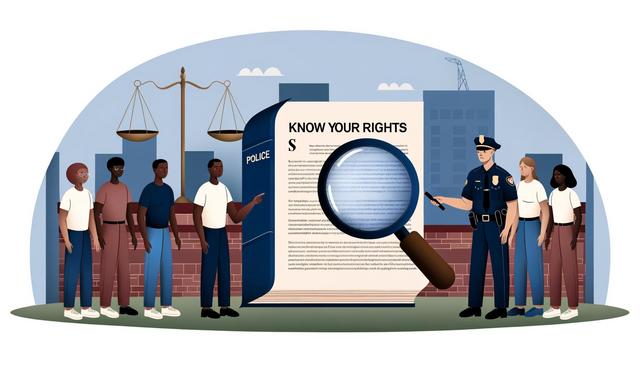
Being aware of your rights during a police search is crucial for ensuring your legal protection and effectively managing such encounters. This article serves as a comprehensive guide to understanding what you can do to protect yourself legally in these scenarios. We'll explore your rights, provide actionable insights, and link to authoritative resources for deeper understanding.
Understanding the Basics of Police Searches
Police officers have the authority to conduct searches under specific conditions. However, understanding your rights can prevent unlawful searches and potential misuse of power. It is essential to differentiate between various types of searches, such as those with a search warrant, without a warrant, and searches incident to an arrest.
Searches with a Warrant
A search warrant is a legal document authorizing law enforcement to conduct a search of a specific place. The Fourth Amendment of the U.S. Constitution protects citizens from unreasonable searches and seizures, implying that a warrant is generally required. For deeper insights on the Fourth Amendment, visit [Cornell Law School](https://www.law.cornell.edu/constitution/fourth_amendment).
Searches Without a Warrant
There are situations where police can lawfully search without a warrant. Common scenarios include searches based on probable cause, consent given by the individual, or if there is evidence in plain view. You can read more about these scenarios at [American Civil Liberties Union (ACLU)](https://www.aclu.org/know-your-rights/what-do-if-youre-stopped-police-immigration-agents-or-fbi).
Your Rights During a Police Search
Right to Remain Silent
One pivotal right during a police encounter is the right to remain silent. This means you are not obligated to answer questions beyond providing basic identification information. For guidelines on remaining silent, consult [Miranda Rights](https://www.mirandarights.org/).
Right to Refuse a Search
Unless police have a warrant or specific legal circumstances apply, you have the right to refuse a search. If the police conduct a search without permission, it may violate your rights. Employ the phrase, "I do not consent to this search," calmly and clearly.
Practical Steps to Take During a Police Search
Knowing your rights is vital, but understanding how to exercise them pragmatically can make all the difference.
Stay Calm and Composed
Emotionally charged responses can escalate situations. It's imperative to stay calm and composed. This approach not only aids in communication but also provides a clear state of mind to evaluate the unfolding situation.
Ask for Identification
Politely request identification from the officers. Knowing who is involved in the search can be crucial, especially if you need to challenge the search validity later on. Learn more on this approach from [Nolo](https://www.nolo.com/legal-encyclopedia/free-books/police-rights-book/chapter5-2.html).
Document the Encounter
If possible, take note of details such as officer badge numbers, the number of officers present, and any witness contact details. Consider video recording the encounter if feasible, while adhering to state laws regarding recording police.
Conclusion and Actionable Takeaways
To sum up, your rights during a police search hinge on understanding different scenarios and exercising your rights effectively and respectfully. Remember to stay informed, remain composed during encounters, and seek legal help when necessary. For more on legal advice and resources, visit [FindLaw](https://www.findlaw.com/).
By arming yourself with this knowledge, you not only protect your personal rights but also contribute to a lawful and respectful interaction landscape between citizens and law enforcement.

