Legal Considerations When Filing for Separation
- 10/20/2025 09:16am
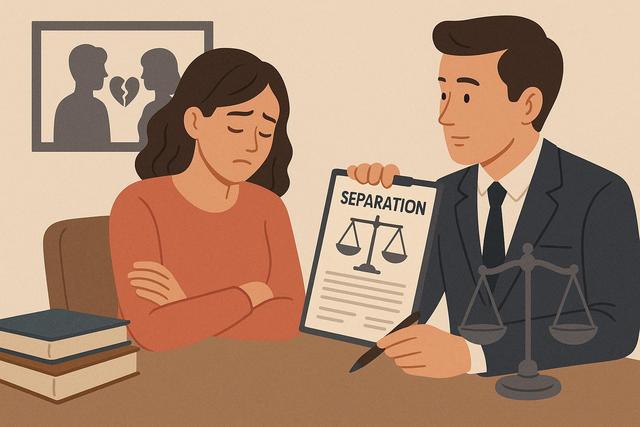
Understanding the legal nuances between separation and divorce can be crucial for making informed decisions. This guide delves into the legal considerations you must be aware of when filing for separation, explaining the differences and implications involved.
Understanding Legal Separation vs. Divorce
Legal separation and divorce are distinct legal processes, often confused for each other. A legal separation allows couples to live separately while remaining legally married, providing time to consider reconciliation or prepare for divorce. Divorce, however, formally ends the marriage permanently. Legal separation might be preferable for financial, religious, or personal reasons.
Key Legal Considerations in Separation
Spousal Rights and Obligations
During a legal separation, both parties retain spousal rights, such as healthcare benefits and inheritance. It's crucial to formalize these terms through a court order to protect rights fully. Additionally, legally separated spouses may still be eligible for certain tax benefits.
Division of Assets and Liabilities
Similar to divorce, legal separation requires an agreement on the division of assets and debts. Courts consider factors like the length of marriage and individual contributions to decide fair distribution. Seeking professional family law advice is advisable.
Custody and Child Support
For couples with children, legal separation involves arrangements for custody, visitation rights, and child support. Ensuring child welfare is always a priority in these agreements.
Process of Legal Separation
Filing a Petition
The first step in legal separation is filing a petition in the appropriate court jurisdiction. This petition outlines the reasons for separation and the terms sought, like asset distribution and child custody.
Drafting a Separation Agreement
A separation agreement details the terms of the separation, including financial responsibilities and living arrangements. This legally binding document should be comprehensive and address all potential issues to avoid future conflicts.
Court Approval
Once the agreement is drafted, court approval is required. A judge reviews the agreement to ensure fairness and compliance with state laws, granting separation status upon satisfaction.
Case Studies and Insights
Several case studies indicate that couples often opt for legal separation as a cooling-off period. According to data from Pew Research Center, about 14% of separated couples reconcile, showcasing the temporary nature and potential benefits of legal separation.
Choosing Between Legal Separation and Divorce
Making the decision between legal separation and divorce depends on individual circumstances. Consider factors such as:
- Financial Implications: Costs involved in legal separation may be similar to divorce. Analyze your financial situation carefully.
- Personal and Religious Beliefs: Some couples may avoid divorce due to religious beliefs, making separation a viable alternative.
- Prospects of Reconciliation: For those uncertain about ending the marriage, legal separation offers time for reconsideration while living apart.
Conclusion and Actionable Takeaways
Understanding your rights and responsibilities in a legal separation is critical. Always consult with a qualified attorney to navigate the legal landscape effectively. Draft detailed separation agreements, and evaluate whether a legal separation aligns with your personal and financial goals before proceeding.
For authoritative resources, visit FindLaw for detailed state-specific legal guidelines.

