Divorce vs. Legal Separation: Which Is Right for You?
- 03/24/2025 11:17am
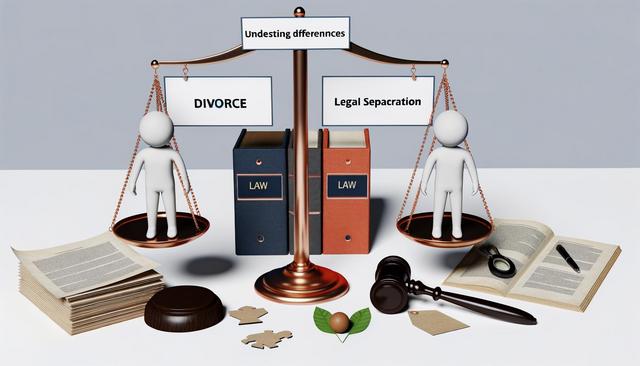
Navigating the intricacies of relationship dissolution can be challenging. Understanding the legal and financial implications of divorce and legal separation is crucial. Both routes offer unique advantages and challenges, which can significantly affect your life, finances, and family dynamic. In this guide, we break down the differences, providing insight into which option may be best suited for your situation.
Understanding Divorce and Legal Separation
In the realm of family law, two prominent methods for addressing marital conflicts are divorce and legal separation. Both have distinct legal, financial, and personal implications. Understanding these differences is essential for making an informed decision.
What Is Divorce?
Divorce is the legal termination of a marriage, formally recognized by the court. It results in both parties becoming legally single, with the right to remarry. The divorce process typically involves the division of assets, the determination of child custody arrangements, and possibly spousal support.
Legal Considerations: Depending on your jurisdiction, divorce may require proof of grounds such as irretrievable breakdown or fault. Resources like Nolo offer comprehensive insights into divorce laws across various states.
Financial Implications: Divorce can significantly impact your finances. Splitting assets, managing shared debts, and adjusting to single-income living are challenging aspects. Couples may consult financial advisors or use tools like LegalZoom for guidance.
What Is Legal Separation?
Legal separation allows couples to live apart while remaining legally married. It's often pursued for personal, religious, or financial reasons.
Legal Considerations: Unlike divorce, legal separation doesn't end a marriage but can include arrangements for property division and child custody. Some prefer this option to reflect upon the relationship before making permanent decisions. States like California have specific statutes, as outlined by California Courts.
Financial Implications: Financially, legal separation can resemble divorce in terms of division of property and financial obligations, but spouses still retain certain marital benefits such as health insurance coverage.
When to Choose Divorce
Signs That Divorce May Be Suitable
- Irreconcilable Differences: Mutual agreement that the marriage cannot be repaired.
- Desire to Remarry: If either party wishes to remarry, divorce is the only option.
- End-of-Marriage Benefits: Completing a divorce allows some financial benefits like alimony or retirement savings to come into effect immediately.
Case Study
Consider a couple in New York, where both partners desire a fresh start without the emotional entanglement of remaining legally married. Pursuing divorce allowed them to streamline their financial responsibilities and explore new relationships.
When to Choose Legal Separation
Situations Favoring Legal Separation
- Religious Beliefs: Couples whose faith disapproves of divorce may choose separation instead.
- Financial Dependency: One party might depend significantly on the other's benefits, such as health insurance.
- Contemplating Reconciliation: For couples unsure about ending the marriage, separation provides time to rethink.
Case Study
A Texas couple facing religious constraints opted for legal separation to modify their personal living arrangement, yet continued to share financial responsibilities to support their children's needs.
Conclusion and Actionable Takeaways
Choosing between divorce and legal separation is a deeply personal decision. Evaluate the impact on your life, family, and financial situation. Consider seeking both legal advice from family law professionals, such as those found on FindLaw, and counseling to address emotional aspects.
Action Steps:
- Consult with a licensed family law attorney for jurisdiction-specific guidance.
- Use financial planning tools to understand potential impacts on your lifestyle.
- Engage in mediation or counseling to support familial relationships.
Ultimately, the decision should be rooted in informed, strategic choice-making that aligns with your long-term goals and values.

