How to Avoid Common Legal Pitfalls in Estate Planning
- 12/13/2024 10:15am
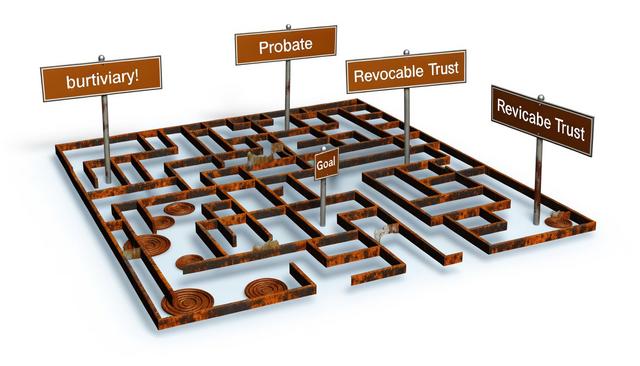
Estate planning is a critical process to ensure your assets are distributed according to your wishes after your passing. However, it is fraught with potential legal pitfalls that could undermine your intentions. By understanding and avoiding these common mistakes, you can protect your estate and provide peace of mind for your loved ones.
Understanding the Importance of Estate Planning
Estate planning is more than just creating a will. It involves a comprehensive approach to managing your assets and liabilities while you are alive and distributing them posthumously. This includes drafting wills, establishing trusts, planning for estate taxes, and making healthcare decisions.
Wills and Trusts: Foundation of Estate Planning
Ensuring you have an updated will or trust is essential. A will outlines how your assets should be distributed, while a trust helps manage your assets both while alive and after death, possibly providing tax advantages and avoiding probate.
Common Legal Pitfalls in Estate Planning
1. Failing to Update Documents
Life changes such as marriage, divorce, or the birth of a child require updating estate documents. Neglecting these updates can result in unintended beneficiaries or disputes.
2. Overlooking Beneficiary Designations
Assets like life insurance policies and retirement accounts pass directly to named beneficiaries. Ensure these designations are current and align with your estate plan.
3. Not Planning for Incapacity
Illness or accident may incapacitate you temporarily or permanently. Establishing a power of attorney and healthcare directive ensures your wishes are respected when you cannot communicate them yourself.
Effective Strategies to Avoid Legal Pitfalls
Engage a Qualified Estate Planning Attorney
Consulting with a specialized attorney can help you navigate complex legal considerations and ensure compliance with state-specific laws. Consider using the resources from the American Bar Association to find qualified professionals.
Leverage Digital Estate Planning Tools
Platforms like Trust & Will or LegalZoom offer affordable solutions for creating documents online. However, ensure you review their legal validity with a professional.
Regularly Review Your Estate Plan
Annually reviewing your plan helps accommodate life changes and legal updates. Set a fixed time each year to evaluate and adjust your estate plan.
Conclusion: Secure Your Legacy
Estate planning necessity cannot be overstated. While it involves complexities and potential legal pitfalls, understanding these and taking proactive measures will ensure your estate is protected and your legacy sustained. Start today by reviewing existing documents, consulting with a professional, and staying informed about legal changes.

