How to Draft a Simple Contract Without a Lawyer
- 07/19/2026 05:16am
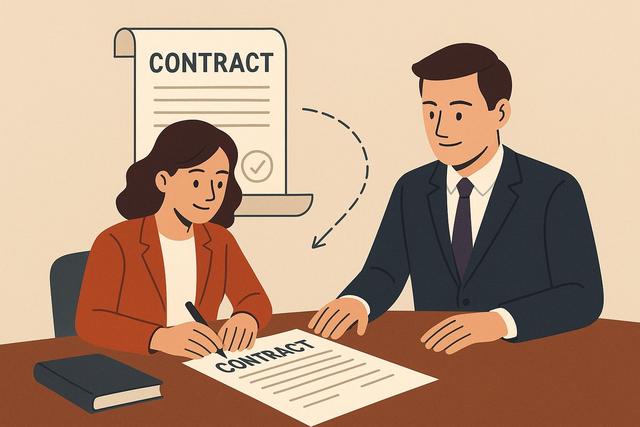
Creating a simple contract without legal assistance might seem daunting, but with the right guidance, it can be straightforward. Whether you’re a small business owner, freelancer, or individual entering into an agreement, understanding how to draft a contract can save you time and money. This guide will walk you through the key steps, essential elements, and common pitfalls to avoid.
Understand the Basic Components of a Contract
A contract is essentially an agreement between two or more parties, enforceable by law. It typically involves an exchange where each party offers something of value. At its core, a contract consists of these basic components:
- Offer: One party proposes terms to another.
- Acceptance: The other party agrees to the terms presented.
- Consideration: Something of value is exchanged between parties.
- Mutual Consent: Both parties must willingly consent to the terms.
- Capacity: All parties must have the legal ability to enter into a contract.
- Legal Purpose: The contract's purpose must be legal and not against public policy.
Understanding these fundamentals helps ensure that your contract is legally binding and effective.
Use a Template as a Starting Point
Templates can be a great starting tool for drafting contracts. Websites like LawDepot and Wonder Legal provide customizable templates for various contract types. Here are steps to use a template effectively:
- Select the Right Type: Choose a template that matches your specific agreement needs, such as a service agreement, lease, or partnership contract.
- Customize Accordingly: Modify the template to reflect your agreement's unique details, ensuring the offer, acceptance, consideration, mutual consent, and other elements are clearly defined.
However, remember that templates are generic. They serve as a foundation but may require tweaks to fit specific situations.
Drafting Essentials and Strategic Insights
Clarity and Detail
When writing a contract, clarity is crucial. Every term and condition should be unambiguous. Avoid jargon or complicated legal language unless necessary. Use specific, concise language to ensure both parties understand the agreement.
Include Essential Clauses
Ensure these common clauses are part of your contract:
- Confidentiality Clause: Protects sensitive information shared between parties.
- Termination Clause: Details how and when the contract can be terminated.
- Dispute Resolution: States how any disagreements will be handled, e.g., mediation, arbitration, or litigation.
Real-world Example
Imagine a freelance graphic designer agreeing on a project with a client. Clearly defining the deliverables, timelines, payment conditions, and intellectual property rights in the contract helps prevent disputes and keeps both parties accountable.
Potential Pitfalls and Solution Strategies
Overlooking Local Laws
Contracts are subject to local laws which may vary significantly. For instance, consumer protection laws can impact contract terms. Research and consider reaching out to a local legal expert to ensure compliance with jurisdictional requirements.
Vagueness in Terms
Vagueness can lead to disputes or unenforceability. Specify quantities, timeframes, prices, and roles clearly. For instance, instead of "delivery by month-end," use "delivery by November 30, 2023."
Mistakes and Misconceptions in Contract Drafting
- Skipping the Revise and Review Process: Double-check your contract for errors or ambiguous terms.
- Neglecting Parties' Specific Needs: Tailor the agreement to suit all parties' needs, avoiding a one-size-fits-all approach.
- Assuming All Terms Are Enforceable: Not every contract term may be enforceable by law.
Reading extensively on contract law principles from reliable sources such as the American Bar Association can deepen your understanding.
FAQs on Contract Drafting Without a Lawyer
What resources can help with contract drafting?
Free online resources such as government sites and legal forums can offer guidance. However, use them as a supplement rather than a sole reference source.
Can I draft a contract in simple language?
Yes, plain language contracts are preferable as they reduce misunderstandings and are easier for parties to interpret.
Do I need a witness to sign a contract?
While not always necessary, having a witness can prevent disputes about the authenticity of signatures.
Conclusion and Next Steps
Drafting a contract without a lawyer involves understanding basic legal principles, using reliable templates, and clearly defining all terms. After drafting, review the contract with all parties involved to ensure agreement. If specific legal issues arise, consult a professional for an expert opinion. Consistently staying informed about relevant legal updates will keep your contract compliant and enforceable.

