How to Legally Dissolve Your Business: A Step-by-Step Guide
- 07/17/2026 05:16am
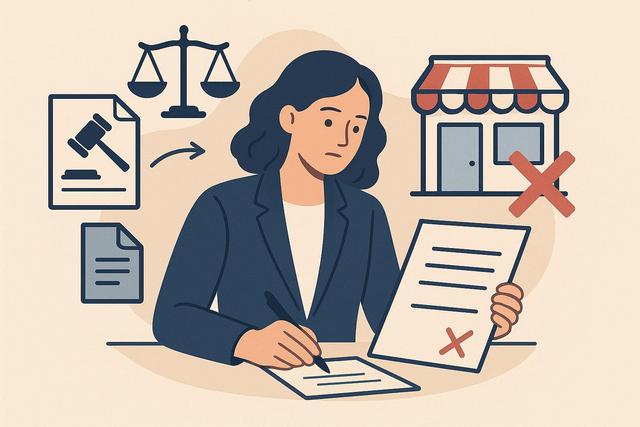
Dissolving a business can be as complex as starting one. Understanding the legal steps is crucial to ensure the process is smooth and compliant. Whether you're closing due to financial management issues, restructuring plans, or business strategy pivots, following the correct procedure is essential. This guide will walk you through how to dissolve your business legally, step by step.
Understand the Importance of Legal Compliance
Before initiating the business dissolution process, it's vital to recognize why adhering to legal protocols is important. By doing so, you safeguard against future liabilities, potential lawsuits, or negative impacts on your business credit.
Assess the Business Structure
One of the first considerations in dissolving a business is understanding the structure of your company. Is it a Corporation, LLC, Sole Proprietorship, or Partnership?
- Corporation & LLC: Typically necessitate a formal vote by the board of directors or members.
- Sole Proprietorship & Partnership: Usually require less formal dissolution processes but might include notification to partners or specific partners if a partnership.
Step-by-Step Guide to Dissolution
Step 1: Cease Business Operations
The initial action is to formally cease operations. This includes stopping sales, fulfilling outstanding contracts, and settling accounts payable and receivable. Example: A small retail store announces their closing sales to clear out inventory before shutting doors.
Step 2: Notify Stakeholders
Ensuring all stakeholders are informed is critical. This includes employees, customers, suppliers, and creditors. Actionable insight: Use a formal communication method like certified mail to creditors to document the notification process.
Step 3: File Dissolution Documents
Every state requires specific paperwork to officially dissolve a business. Often called “Articles of Dissolution” or “Certificate of Termination,” this document must be filed with the state where your business was incorporated. Example: An LLC in California needs to complete Form LLC-4/7.
Step 4: Cancel Permits and Licenses
If your business held any local, state, or federal licenses or permits, ensure they're canceled. Neglecting to do so might incur additional fees or liabilities. Websites like USA.gov provide guidelines on how to proceed.
Step 5: Address Liabilities
- Pay Off Debts: Settle any outstanding liabilities to creditors.
- Distribute Remaining Assets: Follow your business bylaws or articles for distributions if assets remain after debts are settled. Example: Company-owned vehicles may need to be sold or distributed to partners/members.
Step 6: Tax Obligations and Final Returns
Even if you cease operations mid-year, you're obligated to file final tax returns. Ensure all payroll tax obligations are fulfilled. Consult IRS guidelines or a tax professional for specifics.
Common Mistakes and Risks
- Skipping essential steps like notifying the right governmental agencies.
- Overlooking the closing of business bank accounts and voiding outstanding checks.
- Failure to maintain records, which may be required for future audits or legal questions.
Legal Advice and Support
Involved processes like business dissolution can benefit significantly from professional advice. Consulting a business attorney can simplify procedures and prevent oversights. Look to resources like LegalZoom for DIY support connected to legal advisors.
FAQs
- How long does it take to dissolve a business?
- The timeline varies significantly based on the business structure and state regulations, often ranging from weeks to several months.
- Is personal liability a risk if the business is not properly dissolved?
- Yes, particularly for business debts and taxes.
- Can I dissolve my business with outstanding debts?
- You must satisfy or settle your obligations before completion of the dissolution.
Conclusion
Effectively dissolving a business means comprehensively addressing operational, financial, and legal elements. By following this step-by-step guide, you can ensure your business closure is smooth and legally sound. For most businesses, the complexity of the process suggests consulting with experienced professionals and leveraging legal resources offered by reputable websites. Start planning early, keep thorough records, and maintain communication to mitigate risks and ensure compliance.

