The Impact of ESG Litigation in 2024
- 09/24/2024 06:00am
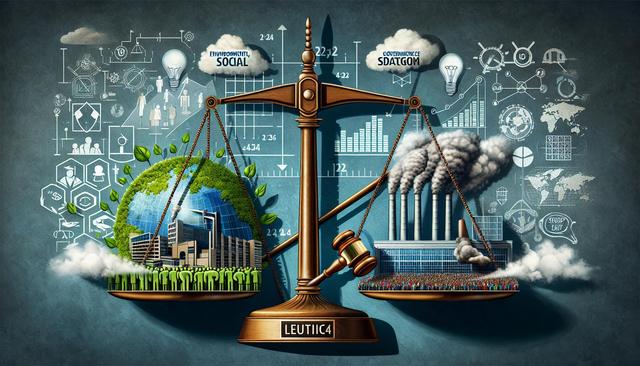
Environmental, social, and governance (ESG) issues have become crucial in corporate governance, impacting business operations globally. As the focus on ESG accountability intensifies, a rising wave of ESG litigation is reshaping how companies operate and adhere to these standards. This article explores the increasing trend of ESG litigation in 2024, its implications for businesses, and its influence on corporate governance.
Understanding ESG Litigation
ESG litigation refers to legal actions taken against companies for failing to comply with environmental, social, and governance standards. These lawsuits can arise from a variety of issues, such as environmental damage, failure to uphold human rights, or lack of transparency in corporate governance. With the growing awareness of ESG factors among investors, consumers, and regulatory bodies, the number of ESG-related lawsuits has skyrocketed in recent years.
The Rise of ESG Litigation in 2024
In 2024, ESG litigation is expected to further increase as stakeholders demand greater accountability and companies face heightened scrutiny on their ESG practices. According to a Harvard Law School Forum on Corporate Governance report, the number of ESG-related cases has doubled since 2020. This trend suggests that companies not only need to adopt ESG principles but must also be prepared to defend their practices legally.
Key Areas of ESG Litigation
Environmental Challenges
Environmental issues remain at the forefront of ESG litigation. Businesses can face lawsuits for failing to comply with environmental regulations or for causing environmental damage. For instance, high-profile cases have emerged against corporations accused of pollution or other harmful practices.
Additionally, as climate change drives global policy shifts, plaintiffs are becoming more aggressive in seeking accountability for environmental negligence. The Environmental Protection Agency (EPA) and other regulatory agencies are also beginning to enforce stricter regulations, making companies more vulnerable to litigation.
Social Governance Concerns
Social governance is another critical aspect of ESG litigation. Companies are increasingly being held accountable for their treatment of employees and communities. Discrimination lawsuits and claims related to labor practices are on the rise as the public demands ethical treatment in the workplace.
Moreover, the accountability for supply chain labor practices is evolving. Organizations are facing litigation for human rights violations arising from their supply chains, especially if they source materials from areas with poor labor practices. Initiatives like the International Labour Organization (ILO) have pushed forward principles to protect labor rights, thus fostering an environment for litigation.
Governance Failures
Corporate governance failures can lead to significant legal repercussions. Issues such as misleading information disclosures, lack of board diversity, or failure to act in the shareholders' best interests can trigger lawsuits. Regulatory bodies are becoming increasingly vigilant, enforcing guidelines that hold companies accountable for governance practices.
With increasing activism from shareholders, companies are likely to face more lawsuits related to governance in 2024. Boards of directors must prioritize transparency and ethical accountability to mitigate potential legal challenges.
The Importance of Compliance
The rising trend of ESG litigation underscores the importance of compliance with ESG standards. Companies must emphasize developing robust ESG policies and practices to safeguard themselves against potential lawsuits and reputation damage.
Investing in ESG training for employees, conducting regular audits, and engaging with stakeholders can help businesses maintain transparency and demonstrate their commitment to ESG principles. Additionally, utilizing technology and software can streamline ESG reporting, ensuring adherence to best practices. Resources like Sustainability Accounting Standards Board (SASB) provide companies with guidelines on corporate sustainability and ESG disclosures.
The Role of Investors in ESG Litigation
Investors are increasingly becoming advocates for ESG litigation. As financial institutions adopt sustainable investing principles, their expectations regarding a company’s ESG performance are rising. Activist investors are using litigation as a tool to push companies towards better ESG practices.
The influence of institutional investors cannot be underestimated. As reported by Bloomberg, approximately $35 trillion in assets are now signed up to the Principles for Responsible Investment (PRI), underlining the significant shift toward sustainable and responsible investing. This transition amplifies pressure on companies to improve their ESG performance.
The Future of ESG Litigation
The landscape of ESG litigation is expected to evolve as more case laws emerge, and regulatory frameworks become more robust. Companies that stay ahead of the curve by proactively enhancing their ESG initiatives are more likely to thrive in this challenging legal environment.
Furthermore, as litigation trends continue to shift, there may be a surge in litigation finance for ESG cases. Investors might start to fund lawsuits, aiming to influence corporate behavior while also seeking returns from successful litigation.
Conclusion: Preparing for ESG Litigation
In 2024, the rise of ESG litigation is a challenge businesses cannot ignore. To mitigate risks, companies must adopt a proactive stance towards compliance and transparency in their ESG practices. By understanding the intricacies of ESG litigation, organizations can identify potential vulnerabilities and reinforce their commitment to ethical governance. Resources such as Westlaw can assist legal teams in researching ESG-related cases, helping companies anticipate potential challenges. Ultimately, only by prioritizing ESG standards can organizations position themselves for long-term success and sustainability in an increasingly scrutinized marketplace.

