How to File a Product Liability Claim Successfully
- 11/25/2024 10:15am
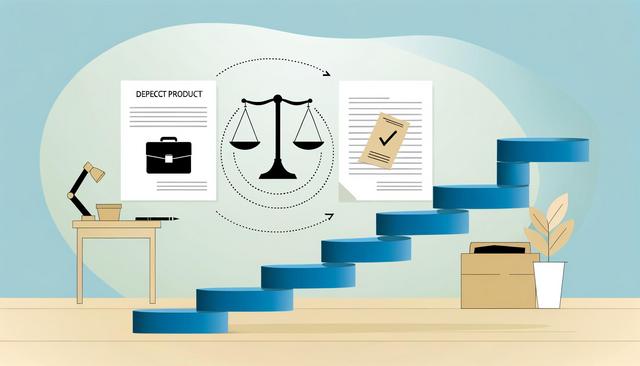
Filing a product liability claim can seem daunting, but with the right information and guidance, you can secure compensation for injuries sustained due to defective products. This guide will walk you through the necessary steps, criteria, and legal considerations involved in pursuing a product liability claim.
Understanding Product Liability
Product liability refers to the legal responsibility of manufacturers, distributors, suppliers, and retailers for any injuries their products cause. If a product is defective and causes harm, the injured party may be eligible for compensation. This compensation can cover medical bills, lost wages, and other related expenses.
Types of Product Defects
- Design Defects: Flaws in a product's initial design that make it inherently unsafe.
- Manufacturing Defects: Errors that occur during production, causing an otherwise safe design to become dangerous.
- Marketing Defects: Failure to provide adequate warnings or instructions, leading to improper use of the product.
Steps to File a Product Liability Claim
1. Gather Evidence
Document everything related to the incident and the injury. Take photos of the defective product, injuries, and accident scene. Preserve the product in its current state.
2. Seek Medical Treatment
Immediately consult a healthcare professional for your injuries. Not only is this crucial for your health, but medical records will serve as vital evidence in your claim.
3. Consult a Product Liability Lawyer
Engaging a lawyer who specializes in product liability cases can significantly improve your chances of securing compensation. Websites like Avvo offer directories to find qualified lawyers.
4. Prove the Product Was Defective
Your lawyer will help establish that the product was defective and that this defect directly caused your injury. This often involves expert testimony and detailed inspections.
Legal Considerations and Deadlines
Statute of Limitations
Each state has a different statute of limitations for product liability claims, often ranging from one to four years. It is crucial to file your claim within this period.
Strict Liability vs. Negligence
Most product liability cases rely on the concept of strict liability, where the focus is on the product being defective rather than proving negligence on the part of the manufacturer.
Potential Compensation in Product Liability Claims
- Medical Expenses: Current and future medical costs are often recoverable.
- Lost Wages: Compensation for time off work due to injury.
- Pain and Suffering: Non-economic damages for physical pain and emotional distress.
Insurance and Settlement Options
Before going to trial, many product liability claims are settled out of court. Understanding the value of your case and negotiating effectively can help secure a fair settlement.
Conclusion
Filing a product liability claim can be complex, but understanding the steps involved and securing expert legal help can pave the way to a successful claim. Remember to act swiftly within the legal timeframe, and gather evidence meticulously to substantiate your claim.

