How to Choose the Right Business Structure for Legal Protection
- 12/16/2024 10:16am
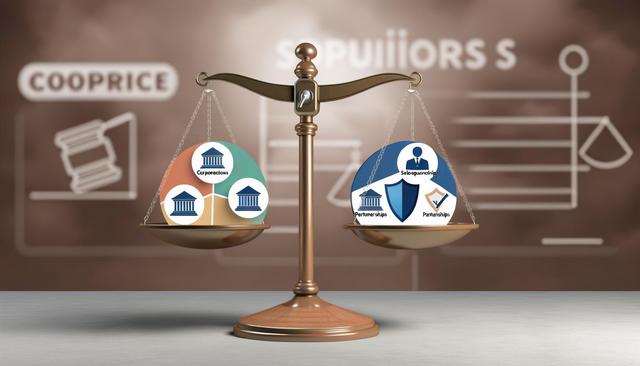
Selecting the appropriate business structure is crucial for ensuring legal protection and maximizing efficiency. In this guide, we explore various structures, highlighting their benefits and drawbacks to help you make an informed decision.
Understanding Business Structures
Choosing the correct business structure is a fundamental step in establishing a company. Your choice influences everything from day-to-day operations, taxes, and the level of personal liability you face. The main types of business structures include Sole Proprietorship, Partnership, Limited Liability Company (LLC), and Corporation. Each offers different advantages, particularly concerning legal protection.
Sole Proprietorship
A sole proprietorship is the simplest and most common structure chosen by new businesses. If you operate as a sole proprietor, you and your business are legally the same entity. This means that while it offers complete control, it doesn’t provide separation from liability.
Advantages:
- Easy to form, minimal paperwork and costs
- Complete control over business decisions
Disadvantages:
- Unlimited personal liability for business debts and liabilities
Resources:
Partnership
A partnership involves two or more people who agree to share in the profits or losses of a business. Partnerships can be either general (where all partners share liabilities) or limited (where only certain partners have a claim to limited liability).
Advantages:
- Easy to establish with shared responsibility
- Combined knowledge, skills, and resources
Disadvantages:
- Joint liability among partners
Resources:
Limited Liability Company (LLC)
An LLC combines the tax benefits of a partnership with the limited liability features of a corporation. This structure offers protection to owners from personal liability for debts.
Advantages:
- Flexibility in ownership and management
- Limited personal liability
Disadvantages:
- Can have higher setup costs compared to sole proprietorships
Resources:
Corporation
Corporations are legal entities separate from their owners, providing the highest level of personal liability protection. There are different types of corporations, such as C-Corporations and S-Corporations, each with unique tax and operational implications.
Advantages:
- Limited liability for shareholders
- Ability to raise capital by selling stock
Disadvantages:
- Double taxation for C-Corporations
- Complex formation and regulation
Resources:
Factors to Consider in Choosing a Business Structure
When deciding on the right business structure, contemplate the following factors:
Legal Liability
Assess the level of protection you need to shield your personal assets from business liabilities. Corporations and LLCs offer more legal protection than sole proprietorships and partnerships.
Tax Implications
Consider how each structure affects your taxes. For example, C-Corporations experience double taxation, while S-Corporations allow income to pass through directly to owners’ personal tax returns.
Future Needs
Anticipate business needs over the next several years. If you plan to expand or take on investors, a corporate structure might be more beneficial.
Flexibility and Management
Determine the degree of flexibility you need in managing your business. An LLC provides more operational flexibility than a corporation.
Conclusion
Selecting the right business structure is a critical step in business planning that impacts your legal liabilities, tax obligations, and financial growth. It's advisable to consult with a legal advisor or accountant to tailor your business structure to suit your current needs and future goals. Doing so ensures robust legal protection and positions your business for success.
Resources:

