Estate Planning and Wills to Protect Your Assets and Legacy
Estate planning and wills are essential tools for protecting your assets and ensuring your wishes are respected. Without proper planning, your estate may face legal disputes, unnecessary taxes, or delays during probate. On this page, you will discover expert advice on wills, trusts, probate, and strategies to manage estates effectively for future generations.
Why Estate Planning Matters
Many people believe estate planning is only for the wealthy, but every individual benefits from having a clear plan. Estate planning ensures your assets are distributed as you intend, reduces family conflict, and provides financial security for loved ones. It also helps minimize taxes and streamline the legal process after death.
- Protects family members from disputes over inheritance
- Ensures minors or dependents are cared for according to your wishes
- Reduces estate taxes and legal costs
- Simplifies the probate process
- Provides peace of mind knowing your affairs are in order
Core Elements of Estate Planning
Estate planning includes several key documents and strategies. Each plays a different role in protecting your legacy.
Wills
A will outlines how your property and assets should be distributed after your death. It can also appoint guardians for children and designate an executor to manage your estate.
Trusts
Trusts provide greater control over how and when beneficiaries receive assets. They can help reduce taxes, protect assets from creditors, and avoid lengthy probate processes.
Power of Attorney
This document grants someone authority to make financial or legal decisions on your behalf if you become incapacitated.
Healthcare Directives
Advanced healthcare directives or living wills specify medical treatments you do or do not want if you are unable to communicate your wishes.
Understanding Probate
Probate is the legal process of validating a will and distributing assets. While necessary in many cases, probate can be time-consuming and costly. Strategies such as setting up trusts, joint ownership, or naming beneficiaries directly on accounts can reduce the need for probate.
Steps to Create an Estate Plan
Estate planning may seem complex, but breaking it into steps makes it manageable:
- Take an inventory of assets including property, savings, and investments.
- Decide who should inherit specific assets and in what proportions.
- Draft a will and update it regularly as life changes occur.
- Consider setting up trusts for tax benefits and asset protection.
- Work with legal and financial professionals to finalize documents.
Common Mistakes to Avoid
Poor estate planning often causes unnecessary difficulties for families. Avoid these mistakes:
- Not having a will at all
- Failing to update documents after marriage, divorce, or new children
- Overlooking digital assets like online accounts or cryptocurrencies
- Ignoring tax implications on inherited property
- Not discussing plans openly with family members
Frequently Asked Questions
What happens if I die without a will?
Without a will, state laws decide how your assets are distributed, which may not align with your wishes. This process is known as dying intestate.
Can a will be contested?
Yes, wills can be challenged on grounds such as lack of capacity, fraud, or undue influence. Clear drafting and legal guidance reduce this risk.
What is the difference between a will and a trust?
A will takes effect after death and goes through probate, while a trust can manage and distribute assets during your lifetime and after, often avoiding probate.
How often should I update my estate plan?
Experts recommend reviewing your estate plan every three to five years, or after major life events such as marriage, birth, or business changes.
Conclusion
Estate planning and wills provide clarity, protection, and security for your loved ones. By preparing documents such as wills, trusts, and directives, you ensure your assets are managed as you intend and your family avoids unnecessary stress. Planning today secures your legacy for tomorrow.
Want to read more? Explore all our articles in the estate planning and wills category to learn more about protecting your assets and legacy.
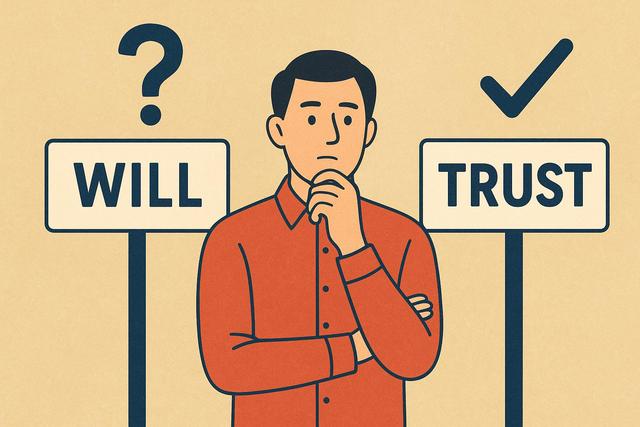
When planning for the future, it's crucial to understand the difference between a will and a trust. These are key estate planning tools, each with unique features, benefits, and limitations. Tailoring them to your specific needs can secure your assets and protect your loved ones.
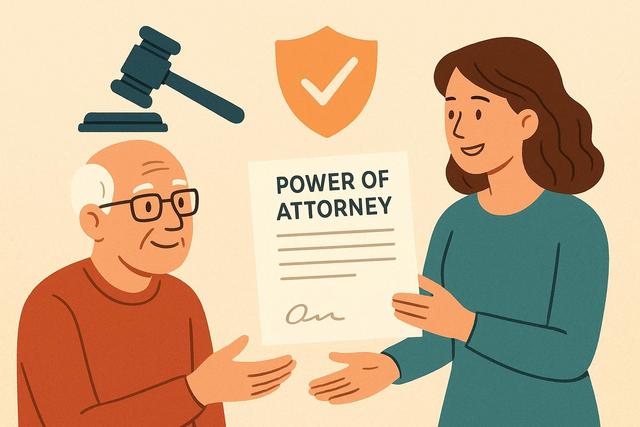
The concept of power of attorney often leaves many perplexed. However, understanding this legal instrument is crucial when planning for future financial, medical, or personal decisions. In this guide, we’ll demystify power of attorney, explain its usage, and highlight key things you should know about this useful legal tool.
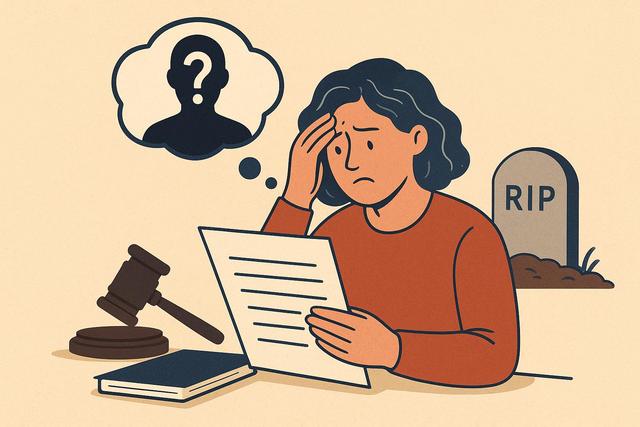
Facing the prospect of death can be daunting, and while discussing what happens after may not be pleasant, it is essential. One critical topic involves the implications of dying without a legal testament, also known as intestacy. This article explores the various consequences an individual might encounter if they pass away without having drafted a will. By understanding the intricacies of how estates are managed in such scenarios, individuals and families can better prepare and protect their assets and loved ones.

