Understanding the Consequences of Dying Without a Will
- 09/06/2026 05:16am
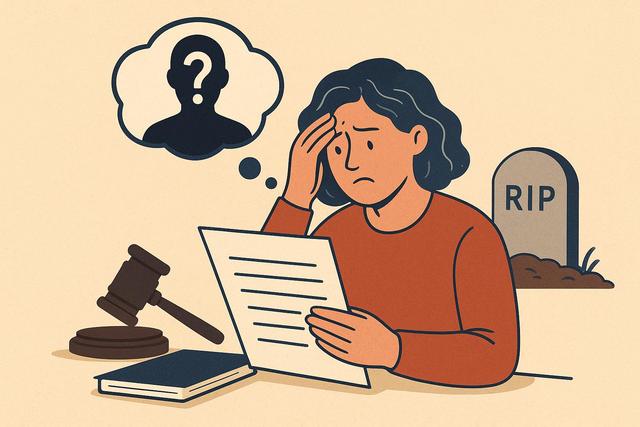
Facing the prospect of death can be daunting, and while discussing what happens after may not be pleasant, it is essential. One critical topic involves the implications of dying without a legal testament, also known as intestacy. This article explores the various consequences an individual might encounter if they pass away without having drafted a will. By understanding the intricacies of how estates are managed in such scenarios, individuals and families can better prepare and protect their assets and loved ones.
How Intestate Succession Works Without a Will
Intestate succession refers to the process whereby a deceased person's estate is allocated in the absence of a legally binding will. Each jurisdiction has its rules and regulations governing intestate succession, typically based on kinship. In most cases, surviving spouses, children, siblings, and other direct relations are prioritized.
For example, if a person dies without a will in California, the estate is usually distributed primarily to the surviving spouse and children. If neither exists, the estate might be distributed to parents or siblings. Explaining the specifics of each jurisdiction can offer valuable insights, so it’s paramount to understand local laws.
Key Points of Intestate Laws
- Spousal Rights: In states like New York, if there is a surviving spouse and no children, the spouse inherits everything.
- Children's Entitlements: If there are children and no spouse, they equally inherit the entire estate.
- No Immediate Heirs: In absence of close relatives, distant family members may inherit.
- Escheatment: Without any heirs, the estate typically reverts to the state.
Real-World Examples of Intestate Cases
To paint a clearer picture, consider the case of a high-profile individual who passed without a will. Music legend Sonny Bono died intestate and his unexpected death led to a tangled legal battle for his $1.72 million estate, showcasing the complexities and potential family conflicts inherent in intestate circumstances.
Similarly, Prince's death in 2016 without a will brought about a prolonged legal dispute over his $200 million fortune. This underscored the importance of having a will, especially for high-value estates.
The Role of Probate Courts in Intestate Situations
Probate courts play a vital role in managing the legal process following an intestate death. These courts oversee the division of the estate, ensuring the distribution adheres to jurisdictional laws while resolving disputes among potential heirs.
Responsibilities of Probate Courts
- Appointing Administrators: The court assigns an estate administrator to manage the affairs.
- Debt Settlements: Courts ensure all outstanding debts and taxes are settled before distributing the remainder.
- Heir Determination: Courts identify legitimate heirs and allocate portions of the estate accordingly.
Common Pitfalls and Misunderstandings
Many individuals underestimate the importance of drafting a will, believing either that their assets will naturally go to their closest relatives or that they lack significant assets to warrant a will.
Misconceptions
- "Only Large Estates Need Wills": This is a pervasive myth. Even modest estates can benefit from clear directives.
- "Family Will Handle It": Without legal guidance, family conflicts can lead to lengthy disputes.
Strategic Recommendations for Avoidance
To prevent the complications that arise from dying intestate, crafting a well-thought-out will is essential. Here are some practical steps:
- Consult an Estate Attorney: Legal experts can provide customized advice based on individual needs and local laws.
- Inventory Your Assets: Catalog tangible and intangible assets to ensure comprehensive estate planning.
- Review Regularly: Life changes such as marriages or births necessitate regular updates to a will.
FAQs About Intestacy
- What Happens to My Debts?: Debts are settled from the estate before distribution.
- Can Intestate Decisions Be Challenged?: Yes, but it often requires legal intervention.
- Who Can Apply to Administer the Estate?: Typically, a close relative will be prioritized by probate courts.
Conclusion
Dying without a will can lead to complex and often contentious legal processes that burden heirs and detract from the estate's value. By understanding the consequences and taking proactive steps in estate planning, individuals can avoid the pitfalls of intestate succession, ensuring their assets are managed and distributed according to their wishes. Start by consulting with legal professionals to create a comprehensive estate plan that reflects your goals and protects your loved ones.

