Understanding the Difference Between Wills and Trusts
- 09/13/2026 05:16am
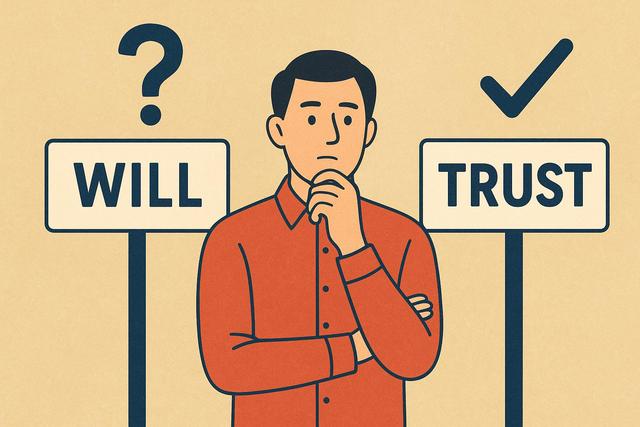
When planning for the future, it's crucial to understand the difference between a will and a trust. These are key estate planning tools, each with unique features, benefits, and limitations. Tailoring them to your specific needs can secure your assets and protect your loved ones.
What is a Will and How Does it Work?
A will, also known as a testament, is a legal document that expresses your wishes regarding the distribution of your assets, the care of your children, and more after your death. It takes effect only after the testator's death, guiding the probate process.
Real-world Example: Consider the case of John, who owned several properties. By detailing who inherits his assets in a will, he ensured his estate was distributed as desired.
Key Features of a Will
- Asset Distribution: Specifies beneficiaries for your belongings.
- Executor Nomination: Designates someone to handle your estate.
- Guardian Designation: Names a guardian for minor children.
However, wills must go through probate, a public court process that can be lengthy and expensive, which is a limitation to consider.
How Does a Trust Differ From a Will?
A trust is a fiduciary relationship where one party, known as the trustee, holds title to property for the benefit of another, the beneficiary. Trusts can be established during your lifetime (living trusts) and can bypass probate.
Key Features of a Trust
- Probate Avoidance: Avoids the probate process, saving time and legal fees.
- Privacy: Keeps estate matters private, unlike wills.
- Flexibility: Can be structured to provide for beneficiaries over time, not just through lump sum distributions.
Real-world Example: Sarah set up a living trust, ensuring her children received a steady income while avoiding probate.
Comparison: Will vs. Trust
To make an informed decision, let's compare these tools:
| Features | Will | Trust |
|---|---|---|
| Privacy | Public | Private |
| Probate | Required | Avoided |
| Control of Assets | After death only | During and after life |
| Cost | Generally less initially | Varies but can be more |
Common Mistakes and Misconceptions
Mistakes
- Neglecting to Update: Failing to update documents as life changes.
- DIY Approaches: Lack of legal expertise can lead to invalid documents.
- Ignoring Tax Implications: Overlooking potential tax consequences.
Misconceptions
- Wills Cover Everything: Many believe a will handles all aspects of an estate, but it does not manage certain assets like retirement plans.
- Trusts Are Only for the Wealthy: Trusts can benefit estates of all sizes.
Strategic Recommendations for Estate Planning
- Assess Your Needs: Evaluate personal circumstances and financial goals.
- Consult a Professional: Enlist the help of an attorney specializing in estate planning.
- Regular Reviews: Revisit your documents regularly and update as needed.
Implementing Wills and Trusts Effectively
- Begin by listing all assets and evaluate how you wish them to be distributed.
- Identify a reliable executor and capable trustee who you trust to execute your wishes.
- Use online legal services or professional advice to draft these documents correctly, ensuring they meet local laws.
FAQs
Which is better, a will or a trust?
It depends on personal circumstances, such as the complexity of your estate, privacy concerns, and potential tax implications.
Can I change my will or trust once it is created?
Yes, both wills and trusts can be amended or revoked, but the procedures may vary.
How do taxes affect my estate plan?
Tax laws influence estate planning. It's advisable to consult a tax professional to minimize liabilities.
Conclusion
Understanding the difference between a will and a trust enables you to make informed decisions about estate planning. Each tool has its uses and limitations, and often a combination of both provides the most comprehensive approach. To ensure that your wishes are honored and your estate is managed efficiently, consider engaging with an experienced estate planning attorney who can tailor a strategy to your needs.

