Essential Personal Injury Claim Checklist for Beginners
- 08/25/2026 05:16am
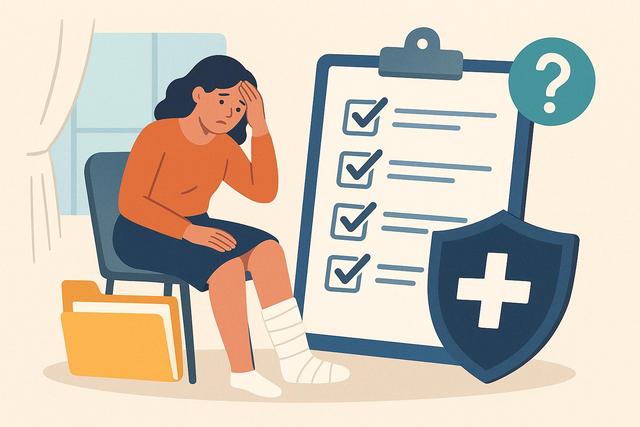
Navigating a personal injury claim can seem daunting, especially for beginners new to the legal processes involved. This strategic guide breaks it down step-by-step, offering practical insights to help you avoid common pitfalls and succeed in your personal injury claim. Whether you're managing the aftermath of a car accident or a slip and fall, understanding each critical component can make all the difference.
Understanding Personal Injury Claims
Before diving into the checklist, it's crucial to grasp what a personal injury claim entails. At its core, a personal injury claim aims to seek compensation for injuries sustained due to someone else's negligence. This might include medical expenses, lost wages, and other damages. Examples include car accidents, medical malpractice, or workplace injuries. Notably, the claim process varies widely by jurisdiction, requiring adaptations to local law practices.
Types of Personal Injury Cases
- Automobile Accidents: One of the most common causes, where fault often determines the compensation level.
- Slip and Fall: Understand premises liability laws, which hold property owners accountable.
- Medical Malpractice: Requires proof of breach in standard care, often with complex legal implications.
Initial Steps After Injury
When an injury occurs, the actions you take initially have long-term effects on your claim's viability.
Gather Evidence Immediately
The evidence gathered at the scene can be pivotal:
- Take photos of the scene, injuries, and any contributing factors
- Get contact details from witnesses
Seek Medical Attention
Medical records form the cornerstone of any injury claim. Ensure to:
- Visit a healthcare professional promptly
- Maintain records of all treatments and medical bills
Documenting Your Claim
Effectively documenting your experience is essential.
Keep a Detailed Diary
Maintain a record of:
- Pain levels and emotional struggles
- Impact on daily activities
Organize All Documentation
Create a system to store:
- Medical bills and insurance correspondence
- Employment records showing lost wages
Understanding Legal Obligations and Rights
An informed claimant is a successful one. Familiarize yourself with the legal landscape.
Statute of Limitations
Each state has a detailed time limit for filing claims. Missing this window can invalidate your claim.
Comparative Negligence Rules
Many jurisdictions assess compensation based on your percentage of fault, requiring deft argumentation to maximize recovery.
Negotiating With Insurance Companies
Effective negotiation can significantly impact your compensation.
- Be Prepared: Know the value of your claim based on evidence and research
- Beware of Initial Offers: Insurance companies often start with low settlements
When to Hire an Attorney
Complex cases or unsatisfactory offers may necessitate legal representation. Attorneys have specialized knowledge in:
- Negotiating settlements
- Navigating complex legal documentation
Common Mistakes to Avoid
To safeguard your claim, avoid these errors:
- Ignoring Medical Advice: Can undermine your injury seriousness
- Publicly Discussing Your Case: Could damage your credibility
- Handling Everything Solo: Lawyers can prevent costly errors
Conclusion
Successfully navigating a personal injury claim involves understanding the process, documenting meticulously, and knowing when to leverage professional help. Regular evaluation of your progress using this checklist can lead to an effective strategy and a better chance of obtaining the compensation you deserve.
Takeaway Steps
- Initiate evidence collection and seek medical care immediately.
- Precisely document the injury and financial impacts.
- Understand legal timelines to avoid claim nullification.
- Consider professional legal assistance for complex cases.
FAQ
What is a statute of limitations, and why does it matter?
The statute of limitations sets the maximum time after an event within which legal proceedings may be initiated. Failing to act within this time can lead to your claim being dismissed.
Do I need a lawyer for a personal injury claim?
While not always necessary, a lawyer can be crucial in complex cases or when negotiating with insurance firms.
How can I accurately assess my claim's value?
Evaluate based on medical expenses, lost wages, and non-economic damages (pain and suffering). An attorney can provide a more precise assessment.

