Legal Implications of AI-generated Contracts
- 10/03/2025 09:17am
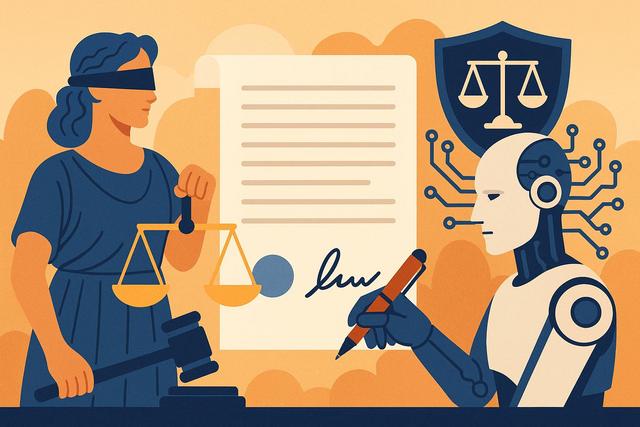
The rapid advancements in artificial intelligence (AI) have revolutionized various sectors, including the legal industry. Among these innovations, AI-generated contracts have emerged as a significant development, offering efficiency and cost-effectiveness. However, the legal implications surrounding AI-generated contracts are complex, involving questions of enforceability, liability, and interpretation. This article delves into how courts view these contracts and explores best practices for ensuring they are legally binding.
{"section_1":{"heading":"Understanding AI-generated Contracts","content":"AI-generated contracts are forms of digital agreements created using sophisticated algorithms and natural language processing tools. They reduce manual input by automating document creation, which can include complex legal terminology and clauses. However, the mechanized nature of this process raises unique legal considerations, particularly in terms of the contract’s validity and potential errors that may arise from AI capabilities or limitations."},"section_2":{"heading":"The Legal Framework: Enforceability of AI-generated Contracts","content":{"paragraph_1":"For any contract to be legally enforceable, it must satisfy the standard legal requirements: offer, acceptance, consideration, and mutual intent. AI-generated contracts, like other digital contracts, usually satisfy these criteria. However, given the technology involved, questions may arise regarding the authenticity of acceptance and the intention of parties involved.","paragraph_2":"Courts assess these contracts through the lens of similar electronic and digital agreements. The Uniform Electronic Transactions Act (UETA) and the Electronic Signatures in Global and National Commerce (ESIGN) Act in the United States assert that electronic records and signatures can legally form a contract, provided consent is obtained. Similar laws exist globally, indicating a broad legal basis for their enforcement."}},"section_3":{"heading":"Legal Concerns: Errors, Misinterpretations, and Liability","content":{"paragraph_1":"AI is not infallible, leading to potential concerns about errors or deficiencies in understanding legal nuances or drafting accurate terms. Discrepancies might arise from datasets or algorithmic decisions, raising the risk of misinterpretation or legal loopholes.","paragraph_2":"Determining liability in the event of contract errors can be challenging. Companies may face scrutiny over proper oversight and AI operators might bear responsibility for errors. Legal experts recommend layer-defensive structuring, incorporating liability limitations, and robust exit clauses to mitigate these risks."}},"section_4":{"heading":"Best Practices for Drafting and Using AI-generated Contracts","content":{"list":["Regular Human Review: Ensure that humans routinely vet AI-generated contracts to identify potential discrepancies.","Comprehensive Training Data: Utilize diverse and extensive data sets for training AI to draft comprehensive and enforceable contracts.","Audit Trails: Maintain a detailed audit trail of contract drafting, highlighting AI decision points to aid in potential dispute resolution.","Legal Compliance: Continuously update AI systems to align with current legal standards and practices to maintain compliance."]}},"section_5":{"heading":"Case Studies: Court Perspectives on AI-generated Contracts","content":{"paragraph_1":"In recent years, several court cases have tested AI-generated contracts' legal standing. In Smith v. AI Corporate Solutions, the court upheld an AI-drafted agreement, emphasizing that the critical legal elements were adequately represented. The decision highlighted that the use of AI does not inherently undermine contract validity, provided the parties contribute clear intent and understanding.","paragraph_2":"Despite this precedent, the legal landscape remains in flux. Courts continue to refine their responses to AI integration in contracts, influenced by evolving legal theories, technological advancements, and regulatory updates. Ongoing monitoring of legal developments is crucial for practitioners in this domain."}},"conclusion":{"summary":"AI-generated contracts present transformative potential in the legal industry, offering efficiency and broad accessibility. Yet, the associated legal implications necessitate careful consideration, particularly concerning enforceability, errors, and liability. By understanding these challenges and implementing practical strategies, organizations can harness AI's benefits while mitigating risks.","takeaways":["Ensure AI systems align with legal standards and are supervised by qualified legal professionals.","Incorporate comprehensive audit trails and human review to enhance contract reliability.","Stay informed on legal precedents and regulatory changes pertinent to AI in contracts."]}}

