Essential Evidence for a Robust Criminal Defense Case
- 09/03/2026 05:16am
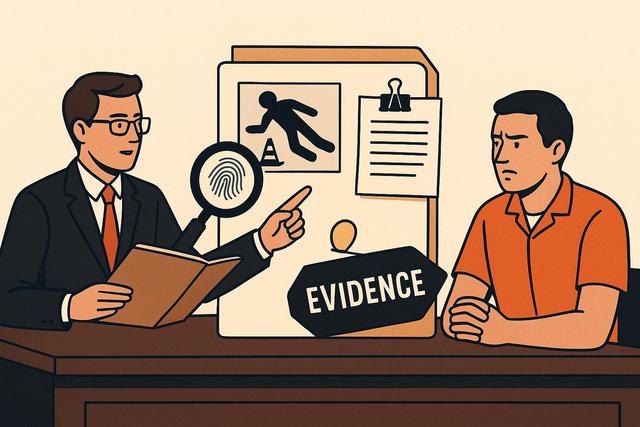
Building a strong criminal defense case hinges on gathering and presenting the right evidence. Understanding the essentials of evidence collection can significantly impact the outcome of a trial. This guide dives into the types of evidence crucial for defense, providing real-world insights and strategies to address common legal challenges.
The Importance of Evidence in Criminal Defense
Evidence lies at the heart of any criminal defense case. It serves as the foundation upon which defense arguments are built. Properly gathered and presented evidence can not only establish reasonable doubt but also negate the prosecution's claims. Defense attorneys strategically use evidence to construct narratives that highlight their client's innocence or mitigate culpability.
Real-World Impact of Evidence
In famous cases, like the O.J. Simpson trial, the defense's ability to challenge evidence ultimately led to an acquittal. By dissecting evidence reliability and relevance, defense teams can dismantle prosecutorial claims.
Types of Evidence in Criminal Defense
Understanding different evidence forms is crucial for crafting a defense strategy. Each type carries different weights and necessitates particular handling techniques.
Physical Evidence
Physical evidence, such as weapons or clothing, is tangible and often compelling. It requires meticulous documentation to maintain its integrity.
- Example: A murder case might hinge on a bloody glove matching the suspect's size and brand.
Documentary Evidence
Collecting documents like emails or contracts is critical, especially in fraud cases.
- Example: In white-collar crimes, emails can reveal intent or a lack thereof.
Testimonial Evidence
Eyewitness testimonies are powerful yet can be fallible. Defense should scrutinize witnesses' credibility and potential biases.
- Example: Alibi witnesses could dismantle prosecution timelines.
Digital Evidence
With technology's rise, digital evidence is increasingly important. Texts, GPS data, or social media activity can bolster a defense.
- Example: GPS data placing the defendant miles from the crime scene.
Expert Evidence
Experts can provide interpretations of complex evidence, such as DNA or forensic accounting.
- Example: A forensic expert might testify about gun residue analysis, potentially contradicting other claims.
Strategic Considerations for Evidence Collection
A strategic approach to evidence involves more than simple collection. Defense teams must consider how to convert evidence into tangible courtroom benefits.
- Chain of Custody: Maintain an unbroken chain of custody to preserve evidence credibility.
- Cross-Examinations: Prepare to challenge evidence through rigorous cross-examinations.
- Pre-Trial Motions: Use motions to suppress unlawfully obtained evidence, safeguarding the defendant's rights.
Real-World Scenario
In a theft case, a lawyer could file a motion to exclude a confession obtained without legal counsel, leveraging constitutional protections.
Common Mistakes in Handling Evidence
Mistakes in evidence handling can derail a defense effort. By understanding common pitfalls, defense teams can position themselves more effectively.
- Overlooking Exculpatory Evidence: Always seek out evidence that directly supports your client's innocence.
- Ignoring Digital Footprints: Underestimating digital evidence could mean missing a crucial defense angle.
- Failure to Verify Credibility: Always verify witness reliability and the authenticity of documents.
Legal Framework and Ethical Considerations
The legal landscape governs how evidence is collected, handled, and presented. Ethical considerations must guide all evidence-related activities.
Evidence Admissibility
Understanding what evidence is admissible, under rules such as hearsay exceptions or relevance criteria, aids in strategic decision-making.
- Example: A recorded interrogation may be inadmissible if conducted without proper Miranda warnings.
Professional Conduct
Attorneys must balance zealous advocacy with ethical standards, ensuring no evidence is concealed or falsified.
FAQs About Evidence in Criminal Defense Cases
What makes evidence inadmissible?
Evidence can be excluded if it violates privilege laws, was illegally obtained, or is irrelevant to the case.How crucial is physical evidence in trials?
It's often pivotal due to its tangible nature and potential to directly link to the crime or suspect.Why is understanding digital evidence vital today?
Digital footprints are integral in modern cases, often providing precise timelines and locations that can support an alibi.
Conclusion: Building a Convincing Defense
In conclusion, evidence is a cornerstone of criminal defense strategies. By understanding and leveraging different evidence types, defense teams can build compelling cases that protect client rights. Importantly, consistent engagement with legal and ethical frameworks ensures the defense remains legitimate and robust.
Actionable Takeaways
- Thoroughly Vet Evidence: Consider all possible forms of evidence and their strategic value early in your case preparation.
- Engage Experts Wisely: When necessary, use expert testimony to clarify complex topics for the jury.
- Prioritize Ethics: Maintain professional integrity by following established legal procedures for evidence.
By putting these strategies into practice, defense attorneys can significantly enhance their case efficacy and navigate the complexities of the legal environment successfully.

