Essential Evidence for a Successful Injury Compensation Claim
- 09/02/2026 05:16am
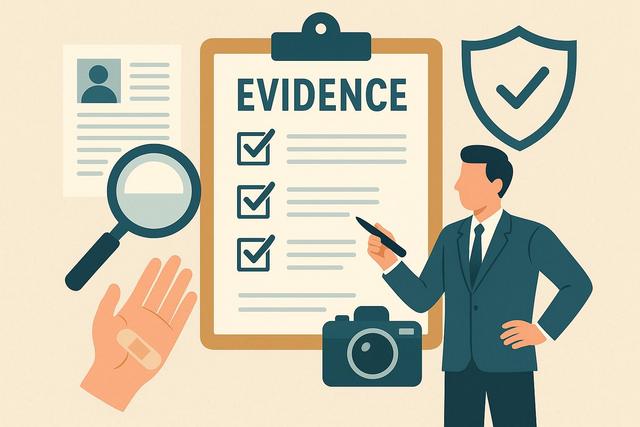
Navigating the complex process of filing an injury compensation claim can be daunting. Gathering the correct evidence is crucial to ensuring a successful claim and receiving the compensation you deserve. This guide will walk you through the specific types of evidence needed and how to strategically compile them for the best results.
Essential Evidence for a Successful Injury Compensation Claim
Understanding the Basics of Injury Compensation Claims
Injury compensation claims are legal pursuits initiated to recover losses incurred from an injury. These claims hinge on establishing liability, proving the extent of damages, and demonstrating the incident's impact over time. A strong case requires a thorough understanding of the types of evidence needed and strategic collection methods.
Compensation claims encompass various types of injuries, from physical harm due to accidents to psychological trauma. Each case necessitates specific evidence, tailored to its unique circumstances. As you move forward, consider these specialized requirements seriously.
Identifying Critical Evidence Types
Medical Records and Reports
Medical documentation is foundational in injury claims. It not only substantiates the injury but also evidences its severity. Records typically needed include:
- Hospital Records: Admission records, treatment plans, discharge summaries
- Physician's Reports: Detailed reports from healthcare providers outlining diagnosis and prognosis
- Medical Bills: Itemized lists of expenses incurred due to the injury
Real-World Example
In a 2022 study by the Journal of Patient Safety, cases with comprehensive medical documentation had a 40% higher success rate in claims. This underlines the impact thorough medical evidence can have on your claim.
Eyewitness Statements
Witness testimonies can corroborate your account of the incident. These statements are gathered from:
- Bystanders present during the incident
- Any co-workers in work-related injuries
It's best practice to get statements as immediately after the incident as possible, when memories are fresh and untainted by external influences.
Visual and Physical Evidence
Photographs and Video Footage
Capturing images and videos post-incident provides a visual narrative supporting written accounts. Key priorities should be:
- Scene Photos: Take images of the location, any hazards, and lighting conditions
- Injury Photos: Capture clear images of physical injuries over time
- CCTV Footage: If available, secure any surveillance footage that captures the incident
Physical Evidence
Collect any items directly related to the incident, like defective products or clothing showing evidence of the injury. These can serve as powerful tangible proof in court.
Documentation of Financial Losses
Beyond proving the injury itself, you must demonstrate the financial repercussions. Potential documentation includes:
- Wage Statements: Proof of lost wages due to inability to work
- Repair Costs: Estimates or receipts for property damage repairs
- Additional Expenses: Travel for medical treatments or costs for specialized equipment required after injury
Accurate documentation of these losses can significantly impact the compensation amount awarded.
Legal Considerations and Formal Documentation
Police Reports
In cases involving legal violations, like road accidents, a police report can be authoritative evidence. Ensure to obtain a copy and check for accuracy – discrepancies can weaken your claim.
Insurance Reports
Communicate the incident promptly to your insurance company. Their understanding and acceptance of the incident can aid or hinder your compensation claim.
Common Mistakes and Pitfalls
- Delayed Action: Postponing medical treatment or delaying claims diminishes their credibility.
- Incomplete Records: Omitting critical pieces of evidence can leave gaps in your narrative.
- Inconsistent Statements: Avoid conflicting accounts between written statements and during interviews.
Without vigilance, these errors can compromise your case's integrity.
Conclusion
Injury compensation claims require meticulous preparation and strategic evidence gathering. Focus on securing comprehensive medical records, credible eyewitness accounts, and robust financial documentation. Avoid common pitfalls and seek legal advice to maximize your claim's success. By following this guide, you can confidently navigate the claim process.
FAQs
What should I do immediately following an injury?
Seek medical attention, gather contact details of witnesses, and document the scene with photos.
How long do I have to file an injury compensation claim?
It varies by jurisdiction, typically ranging from one to three years post-incident.
Can I claim compensation for emotional distress?
Yes, if you provide credible evidence of psychological harm impacting your quality of life.
Are there limits on the types of injuries eligible for compensation?
Generally, any injury resulting in substantial loss or suffering may qualify, including physical, emotional, or financial harm.
Who can assist me with the claims process?
Engage a lawyer specializing in personal injury claims for tailored guidance and representation.

