Top 5 Ways to Challenge a Criminal Conviction in 2024
- 12/20/2024 10:15am
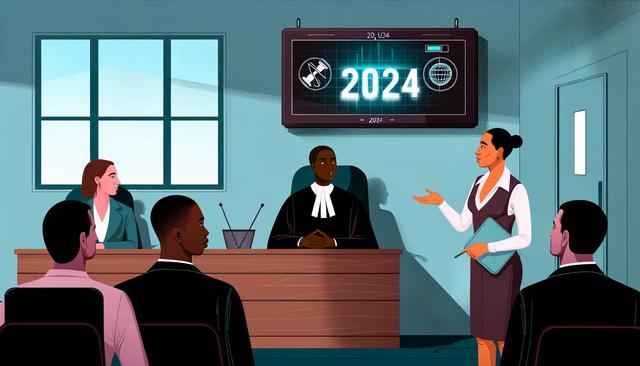
Challenging a criminal conviction can be a daunting task, but it's not impossible. In 2024, there are strategic legal avenues available that may help overturn or reduce your sentence. This article explores the top five ways to challenge a criminal conviction, providing insights from legal experts and highlighting essential resources to assist you in this complex process.
Understanding Criminal Convictions
Before diving into ways to challenge a conviction, it's crucial to understand what a criminal conviction entails. A criminal conviction occurs when a court of law finds a defendant guilty of a crime, which can result in penalties such as fines, imprisonment, or community service. It's not only about the punishment but also the long-term impact on your life, including employment and personal relationships.
Top 5 Ways to Challenge a Criminal Conviction
1. File an Appeal
One of the most common methods to challenge a conviction is by filing an appeal. An appeal requests a higher court to examine the details of your case for any errors that might have affected the outcome. Appeals are complex and require a thorough understanding of legal procedures. It's advisable to consult with an experienced defense lawyer to increase the chances of success.
- Steps in Filing an Appeal
- Consult a defense attorney with appellate experience
- Submit notice of appeal within the appropriate time frame
- Prepare a written brief arguing your case
For more information on appeals, visit the National Association of Criminal Defense Lawyers.
2. Seek Post-Conviction Relief
Post-conviction relief differs from an appeal as it focuses on matters not visible on the trial court's record, such as ineffective assistance of counsel or new evidence. A successful post-conviction relief process can result in a new trial or even a dismissal of charges.
- Common Grounds for Post-Conviction Relief
- Newly discovered evidence
- Violation of constitutional rights
- Ineffective counsel
3. Request a Sentence Modification
In some cases, you may not contest the conviction itself but want to challenge the severity of the sentence. Sentence modification can be sought for various reasons, such as changes in law regarding the crime for which you were convicted.
- Factors Influencing Sentence Modification
- Good behavior while incarcerated
- Changes in the law
- Presenting mitigating circumstances
4. File a Motion to Vacate Judgment
A motion to vacate judgment involves requesting the court to nullify a judgment that was based on specific errors in the judicial process. This motion is particularly significant if the conviction is based on lack of jurisdiction or other grave judicial mistakes.
- Considerations for Filing
- Evidence of judicial error
- Jurisdictional issues
- Legal representation is key
5. Consider Alternative Legal Avenues
Sometimes, creative legal strategies might involve lesser-known avenues such as pursuing a pardon, which requires petitioning governmental executive authorities like the governor or the President.
Working with Defense Lawyers
Partnering with a skilled defense lawyer is crucial for challenging any conviction. Defense lawyers not only navigate legal technicalities but also offer strategic advice tailored specifically to your case. When selecting a defense lawyer, consider their experience level, success rates in similar cases, and their ability to provide personalized attention.
For more guidance on finding the right lawyer, visit FindLaw's Lawyer Directory.
Conclusion
Challenging a criminal conviction in 2024 involves understanding your options and taking decisive steps with the guidance of legal professionals. Whether it’s through appealing, seeking post-conviction relief, or requesting a sentence modification, each path requires detailed legal knowledge and strategic planning. Utilizing these expert strategies can significantly impact the potential success of your challenge, ultimately affecting the trajectory of your life post-conviction.

