Do You Need a Lawyer for a Slip and Fall Case?
- 02/24/2025 10:16am
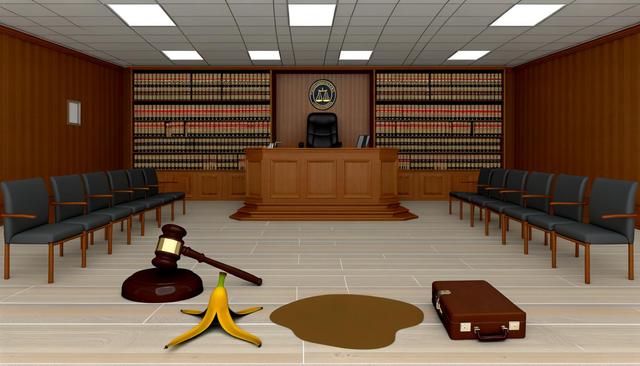
Slip and fall accidents can happen anywhere and to anyone, often leading to injuries that require medical attention. When such accidents occur due to another party's negligence, determining whether legal action is necessary can be challenging. This comprehensive guide examines when hiring a lawyer for a slip and fall case is appropriate, exploring the complexities of these claims and offering critical insights for making informed decisions.
Understanding Slip and Fall Cases
Slip and fall cases fall under premises liability law. These incidents occur when someone slips, trips, or falls due to hazardous conditions on another's property. Common causes include wet floors, uneven surfaces, poor lighting, or obstructions. When such conditions result from negligence, victims may have grounds for a personal injury lawsuit.
Key Elements of a Slip and Fall Claim
To succeed in a slip and fall case, the plaintiff must prove:
- Duty of Care: The property owner had a duty to ensure a safe environment.
- Breach of Duty: The owner failed to maintain safe premises.
- Causation: The breach directly caused the accident and injuries.
- Damages: The plaintiff suffered actual harm or loss.
When to Consider Hiring a Lawyer
Determining the need for a lawyer in slip and fall cases depends on several factors. Let's explore situations where legal representation becomes indispensable.
Complex Liability Issues
Cases with unclear liability often require legal expertise. Property owners might argue that the hazard was obvious or that the victim's negligence contributed to the fall. An experienced personal injury lawyer can gather evidence, interview witnesses, and build a solid case to counter such defenses.
Serious Injuries
If the slip and fall resulted in severe injuries, involving substantial medical expenses or loss of wages, legal intervention becomes crucial. Lawyers can facilitate claims to recover these significant out-of-pocket expenses and ensure fair compensation.
Insurance Company Challenges
Insurance companies often attempt to minimize payouts, offering low settlements or denying claims altogether. Having a lawyer negotiate on your behalf can lead to more favorable outcomes, ensuring the insurance company considers all evidence and damage valuations.
Comparative Negligence
Many jurisdictions employ a "comparative negligence" rule, where both parties share fault for the accident. A lawyer can effectively argue against undue fault percentages assigned to the victim, affecting the compensation amount.
How to Choose the Right Personal Injury Lawyer
Experience and Expertise
Seek lawyers specializing in personal injury or premises liability law, with a proven track record in slip and fall cases. Evaluate their experience through case histories and success rates.
Reputation and References
Consider online reviews, testimonials, and bar association ratings. Reliable references from past clients or other attorneys provide insight into the lawyer's reputation and professionalism.
Consultation Policies
Most personal injury lawyers offer free consultations. Utilize this initial meeting to assess their approach, understanding, and potential costs involved in your case.
Legal Fees and Costs
Understand the lawyer's fee structure, typically a contingency fee arrangement. Clarify any additional costs for expert witnesses or court filings.
The Importance of Prompt Action
Taking immediate action post-accident can greatly influence a case's outcome. Collect evidence, seek medical attention, and document everything related to the accident and injuries. Quick consultation with a lawyer ensures essential steps are not overlooked, and statutes of limitations are met.
Case Studies and Real-World Examples
Case Study: Smith vs. Retail Store
In this prominent case, a shopper slipped on a wet floor without a caution sign in a retail store. Initially offered a minimal settlement, Smith hired a lawyer who uncovered neglect in maintenance protocols. The case concluded with a favorable jury verdict, significantly enhancing compensation.
Case Study: Johnson vs. Apartment Complex
Johnson suffered a fall due to icy conditions in her apartment complex's parking lot. The lawyer's investigation revealed inadequate snow removal practices, resulting in a substantial settlement that covered her medical expenses and lost income.
Conclusion
Hiring a lawyer for a slip and fall case hinges on the accident's specifics and the complexity surrounding liability and damages. When severe injuries, insurance disputes, or unclear liability are present, professional legal assistance can be indispensable. Those considering legal action should seek specialized lawyers with experience in premises liability, ensuring they secure their rightful compensation.
Actionable Takeaways
- Assess the incident severity and liability clarity before deciding on legal action.
- Seek specialized legal advice early to navigate complex claims and negotiate settlements effectively.
- Collect comprehensive evidence from the scene to strengthen your position in the claim.
Don't hesitate to consult with a professional injury lawyer if you're uncertain about your case's potential. Reputable resources like the American Bar Association provide additional guidance and lawyer directories.

